The other Ibiza: 12 unique things to do (that aren’t going to clubs)
Let’s cut to the chase: Is Ibiza worth going to if you don’t want to party? The answer is an unequivocal yes. As someone who has spent years travelling all over Spain, I recently visited Ibiza for the first time and absolutely fell in love with it.
I didn’t go for the dance music temples or beach clubs that the island is most famous for. In fact, once I’d walked past the wall-to-wall adverts for superclubs like Pacha and UNVRS on my way out of the airport, I managed to completely avoid that side of the island without even trying (with one exception… more on that later).
If your idea of a great trip involves strolling through pretty cobbled streets, exploring natural parks and archaeological sites, trying unique local dishes, shopping for gorgeous handcrafts and popping into a niche museum or two… Ibiza makes a perfect short break, especially if you time it right. Midweek in September turned out to be ideal.
Here are 12 ideas for unique things to do that are perfect for fans of cultural tourism and immersive slow travel.
1. Explore the walled city of Dalt Vila
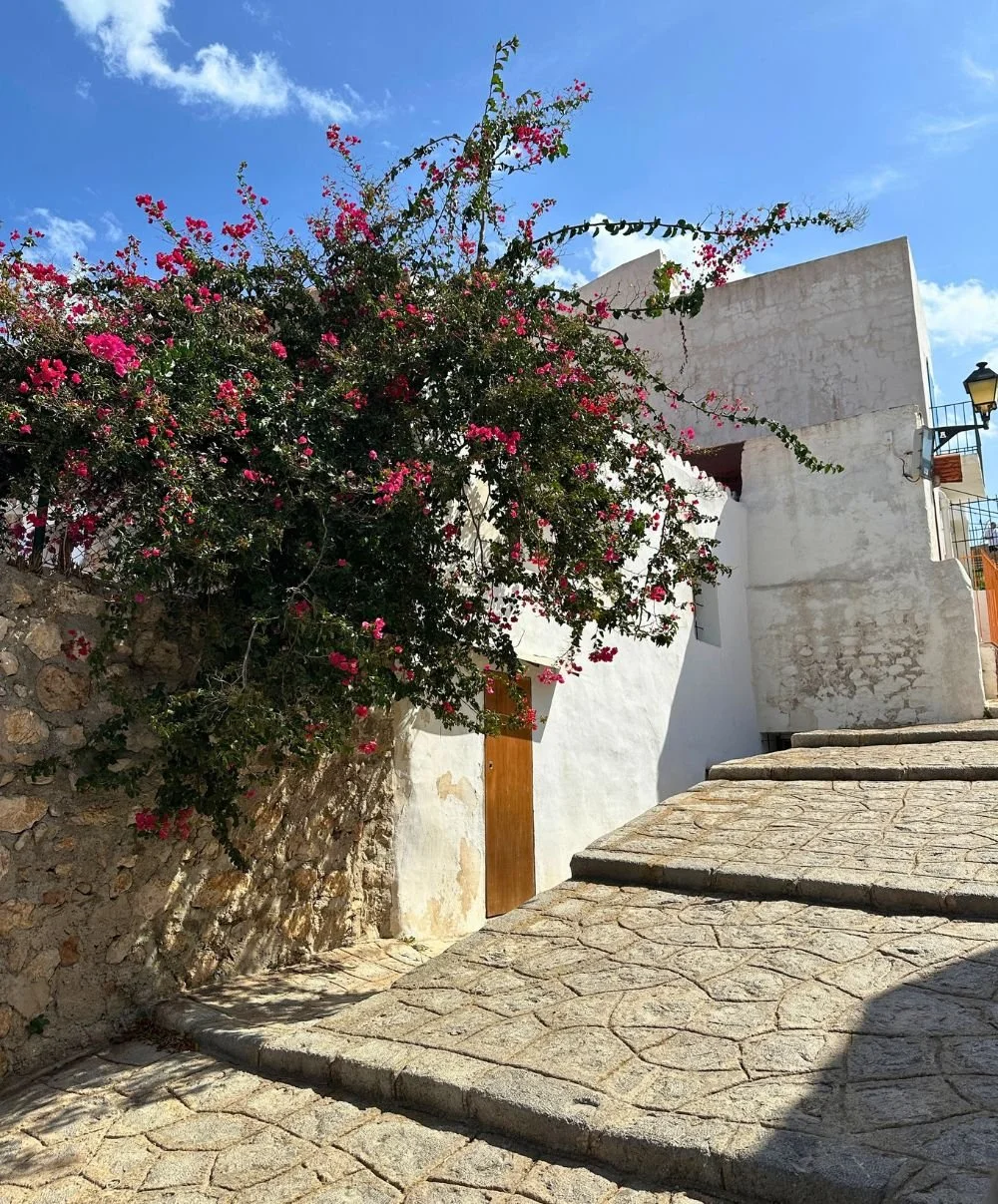
Located in the heart of Ibiza Town, Dalt Vila (the name means Upper Town in Catalan) is the highest and oldest part of the historic centre. Behind its imposing Renaissance walls lies a warren of limestone-paved streets, where every turn reveals pretty corners, clouds of pink bougainvillea flowers and bastions with panoramic views of the city and harbour.
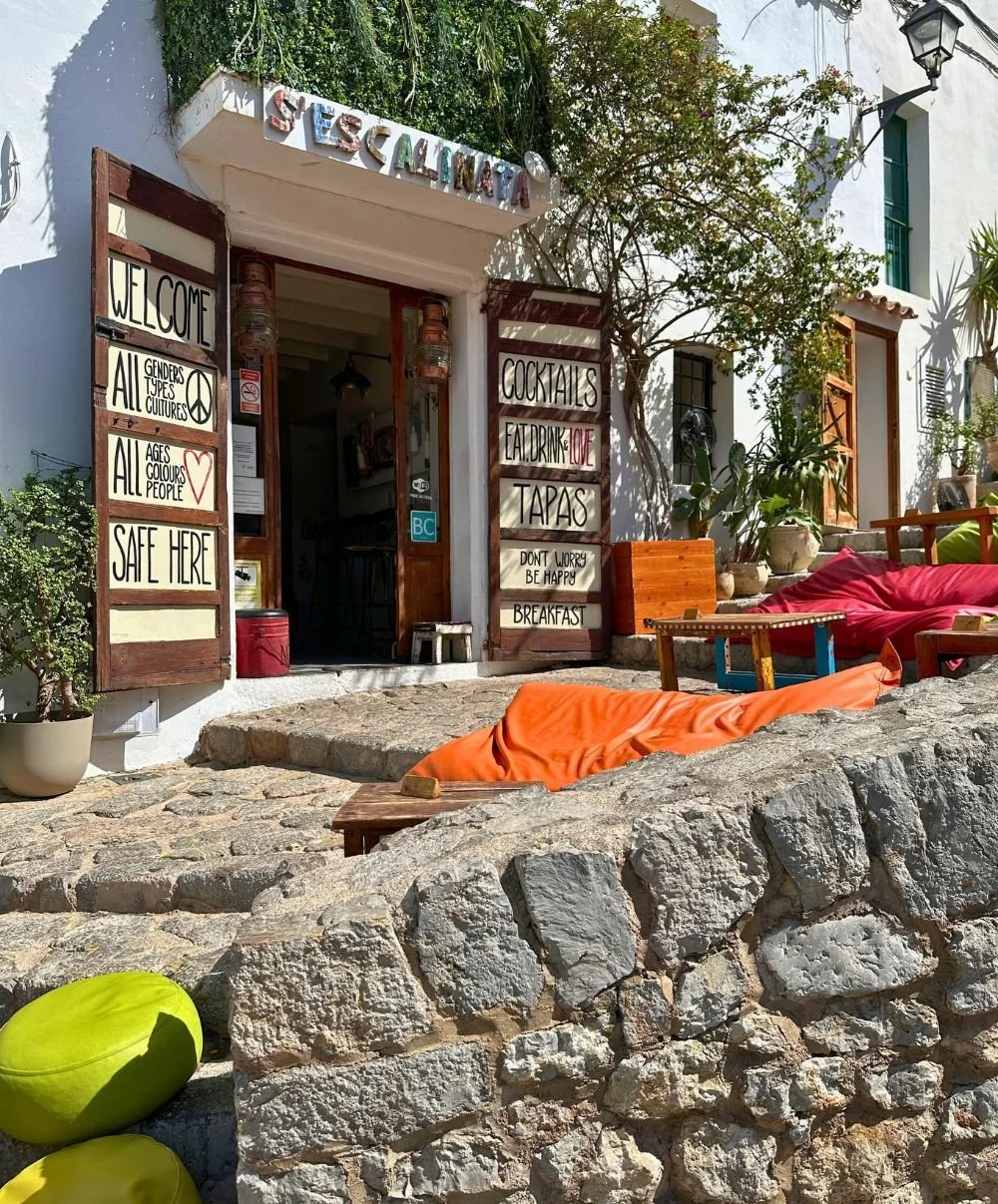
To enter Dalt Vila, head for one of the five gateways (called portals) in the city walls. Portal de Ses Taules is the largest one, a grand ceremonial entrance flanked by Roman sculptures. Once you’re inside the walled precinct, some of the most popular things to do include stopping for a drink or snack at S’Escalinata, a bar-cafe with outdoor beanbag seating on the stone stairs, and posing for photos with the giant cannons on bastions such as Baluard de Sant Jaume and Baluard de Sant Pere.
Art lovers should check out the Museum of Contemporary Art (MACE), which has an interesting collection of work by local and international artists. There’s even an area where you can sit and do some drawing (materials are provided), should inspiration strike. Entry is free.
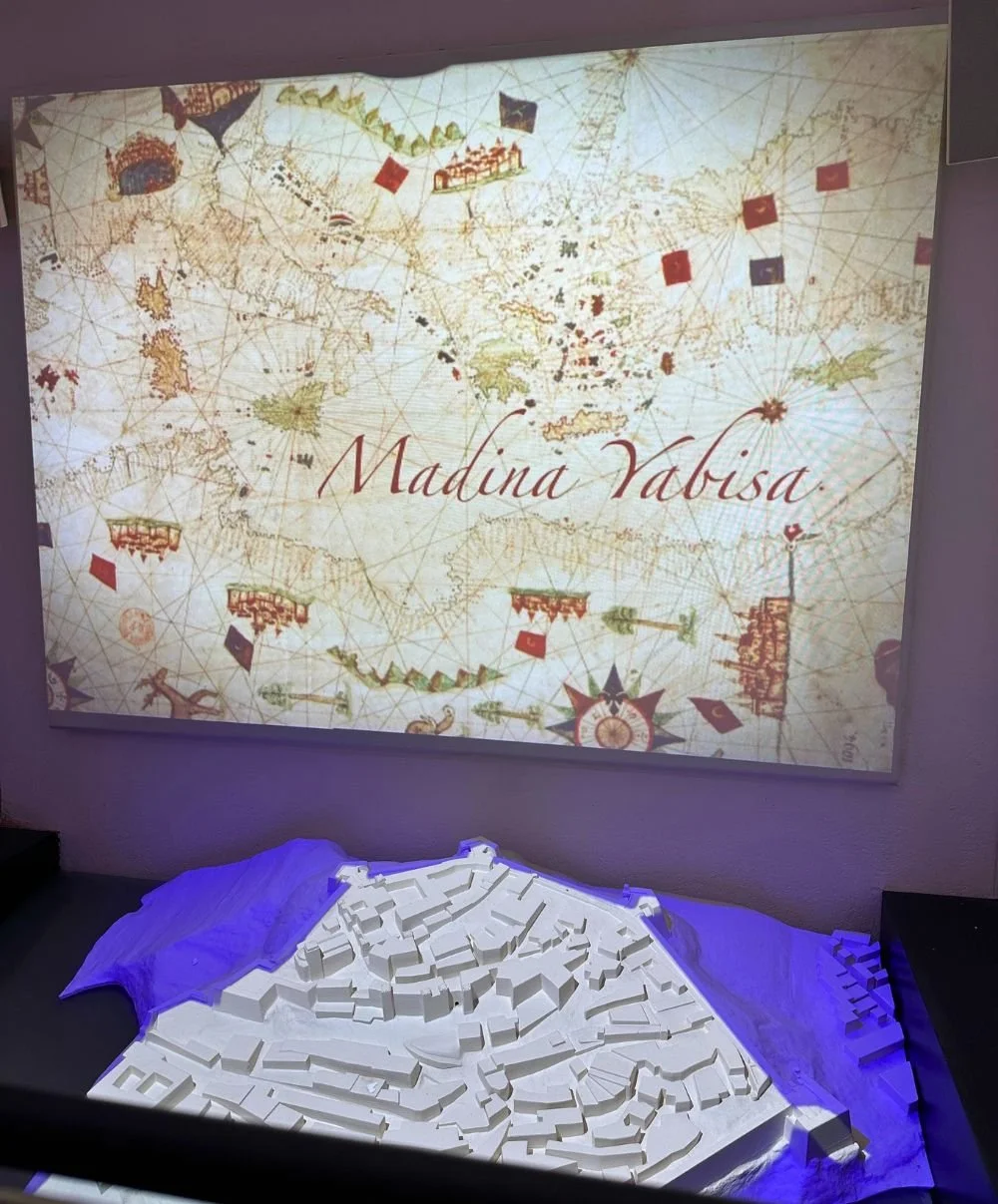
I also really enjoyed the small museum about Ibiza’s medieval Islamic era, Centre d’Interpretacio Medina Yabisa. It’s worth visiting just for the excellent short film about the history of the city, which makes clever use of video projections and a 3D model. Entry is free here, too.
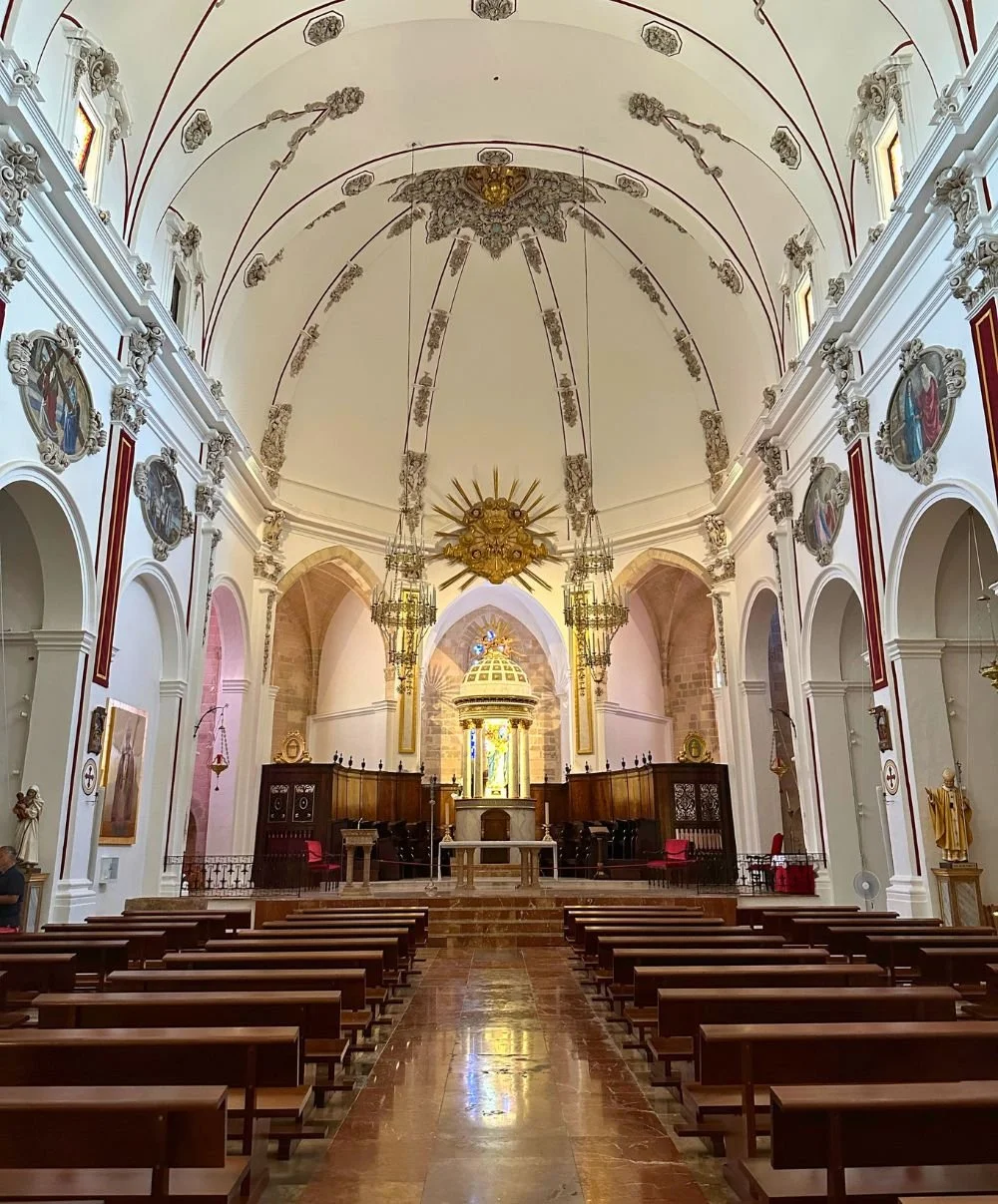
If you head to the top of the hill, you’ll find the city’s 14th-century Cathedral and - somewhat disguised behind more soaring stone walls - the brand-new Parador Hotel, which opened in May 2026. Located inside a 16th-century castle, its grounds are like an open-air museum. Non-guests are welcome to pop into the main courtyard (Patio d’Armas), where there’s a section of Phoenician ruins exposed to view.
2. Visit the Necropolis of Puig des Molins
Speaking of Phoenicians, this archaeological site, a stone’s throw from Dalt Vila (you can see it from the west-facing bastions) is an absolute must-do for history fans.
The Phoenicians were a seafaring people from the coast of modern-day Lebanon. They expanded through the Mediterranean basin in the first millennia BC, founding cities such as Cádiz and Málaga in southern Spain and Carthage in modern-day Tunisia. Ibiza was one of the most important sites in the Phoenician and Carthaginian world, and there are several places across the island where you can see Phoenician-Punic remains (Punic coming from the Roman term for Carthaginians).
If you only make it to one such site, make it this one. Puig des Molins is a vast cemetery containing thousands of hypogea (underground burial chambers). A visit here starts in the on-site museum, which displays objects found in and around the graves.
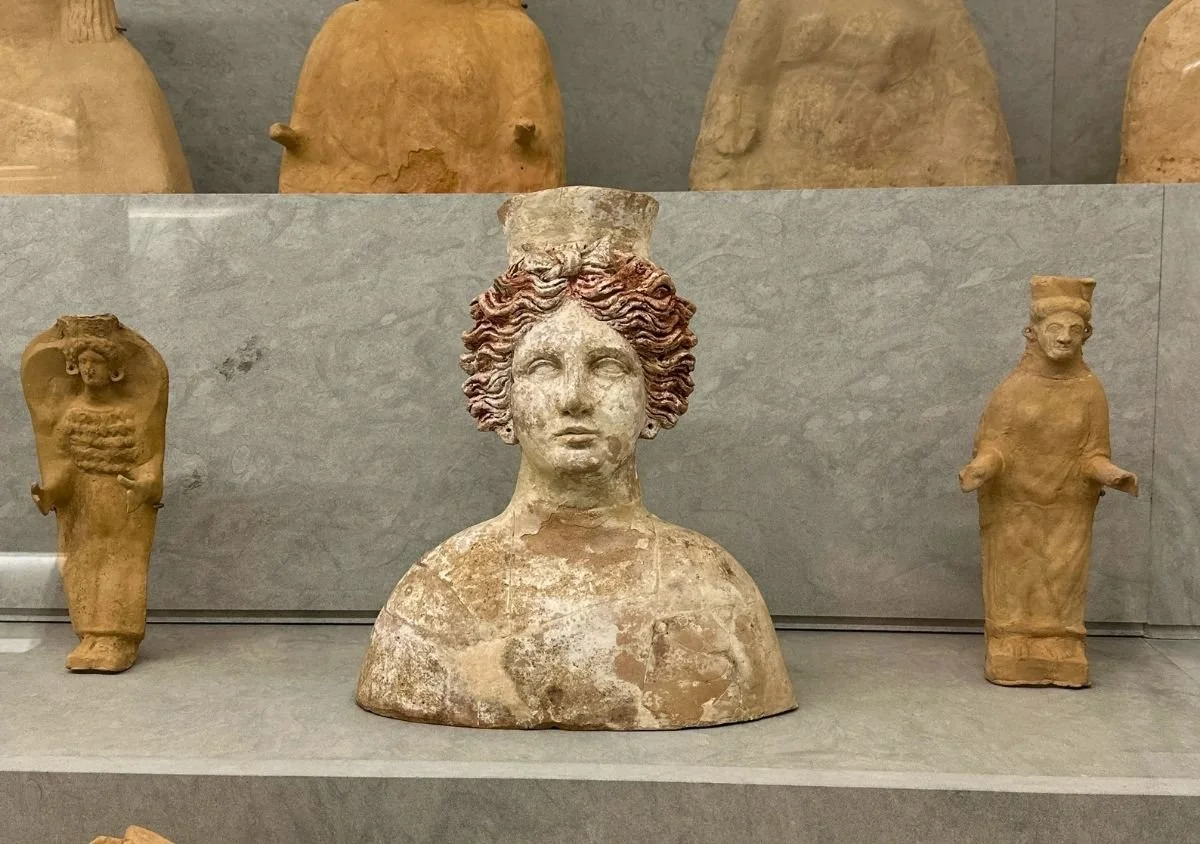
Tanit: The real Ibiza final boss
I particularly loved the rows of delicately painted ostrich eggs - a symbol of life after death in the Phoenician world - and the many figures of Tanit, a Phoenician-Punic mother goddess who remains an enduring symbol of Ibiza. You’ll see clay figurines of her in craft markets, jewellery replicating her stick-figure-like symbol (Phoenician sailors scratched it on cave walls), and references to her name everywhere from beach clubs to music festivals.
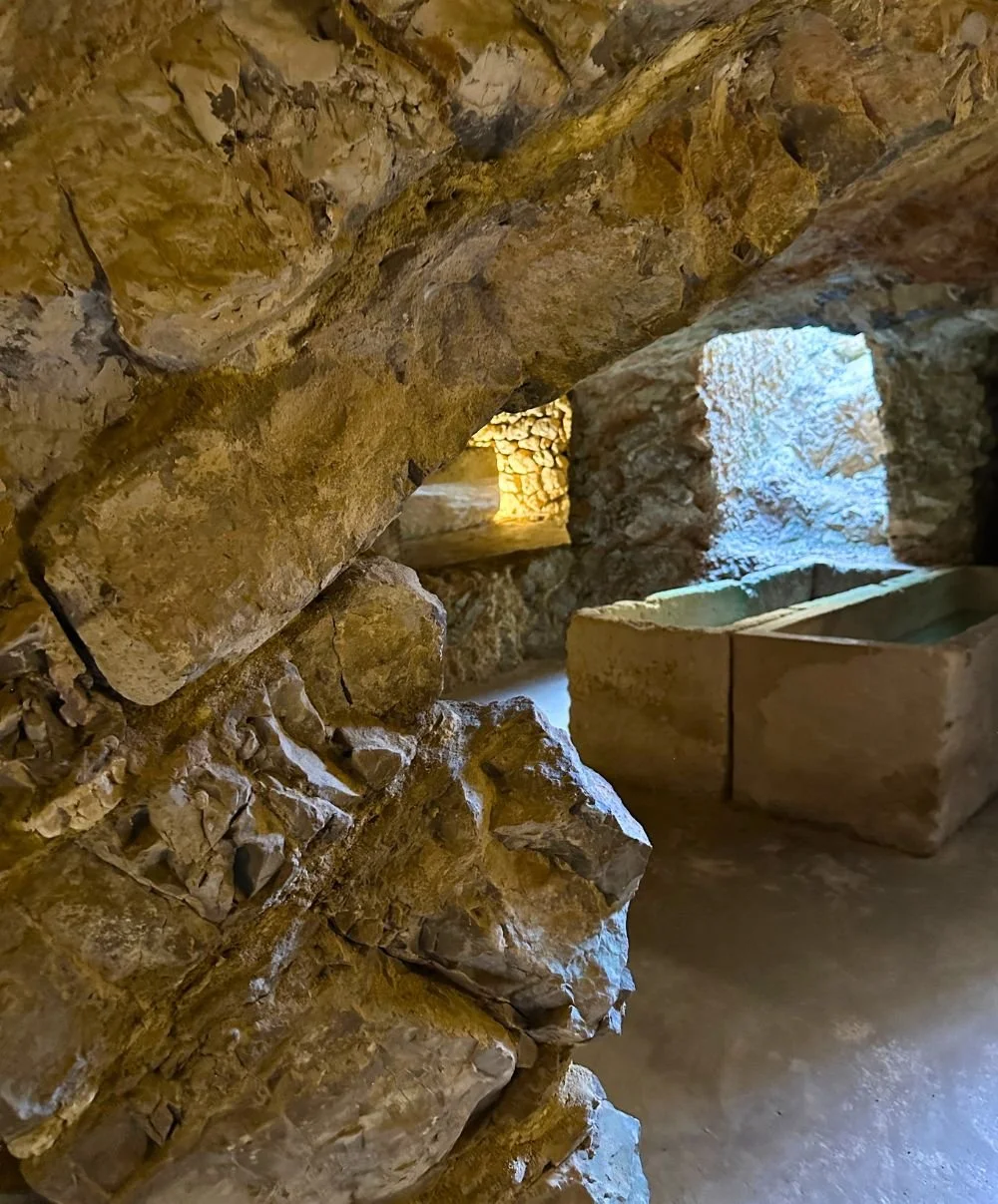
After touring the museum, it’s time to put on a safety helmet before heading outside and into one of the actual burial chambers. Called the Hypogea of the Mule because it was discovered when an unfortunate mule fell into it, it’s actually a series of separate chambers that were knocked through by tomb raiders.
When I visited, I had it entirely to myself, and it was an extraordinary experience. If you’ve ever wanted to channel your inner Indiana Jones or Lara Croft, this is the place to do it.
3. Watch the sunset over Es Vedrà
If Tanit is one of the main symbols of Ibiza, this dramatic rock rising steeply out of the sea just off the island’s southwest coast is the other. Es Vedrà is wreathed in all kinds of modern mythology, from tales of Bermuda Triangle-like magnetic weirdness to UFO sightings. One popular claim has it that Homer had Es Vedrà in mind as the home of the sirens in the Odyssey (delicious, but implausible).
The so-called Es Vedrà viewpoint is a spot on private land that has been closed since early 2025 due to overcrowding, littering and general bad behaviour. Please do not try to park near here or evade the closure in any way (unfortunately I saw some people doing this…)
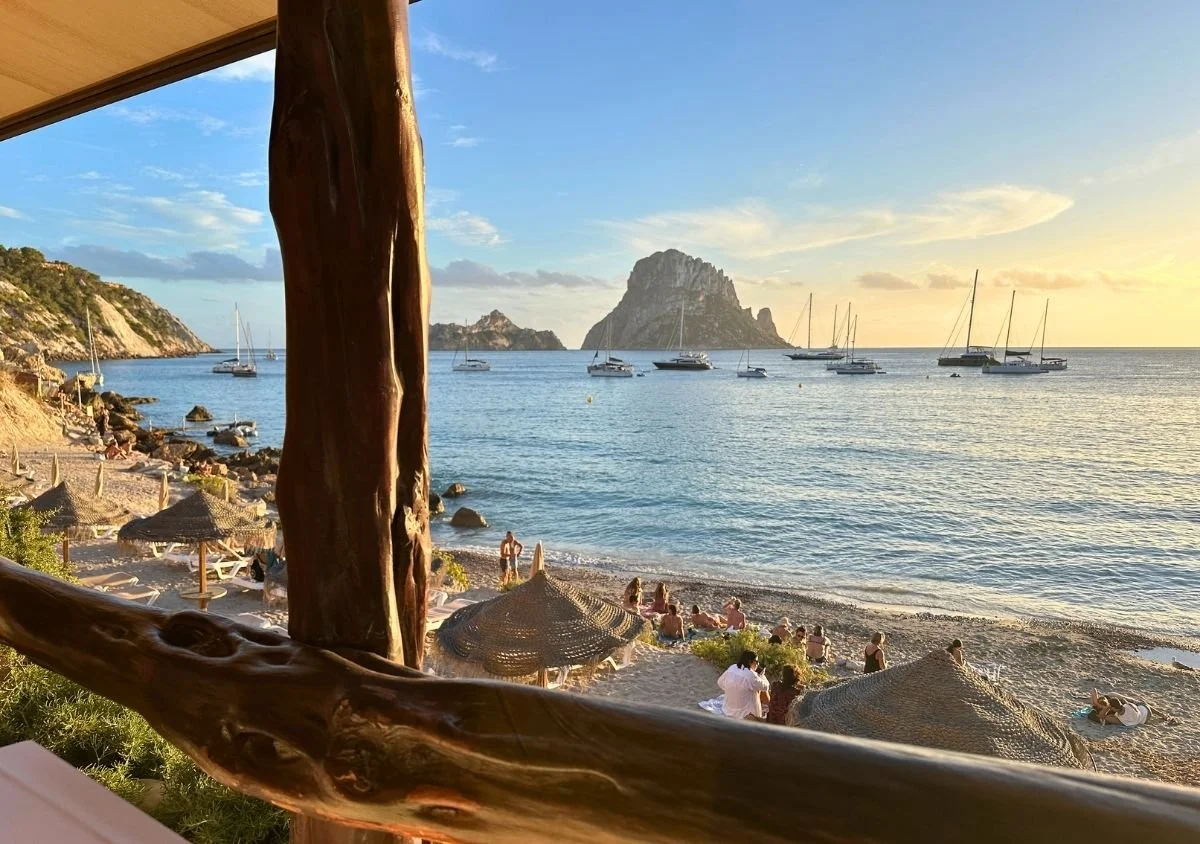
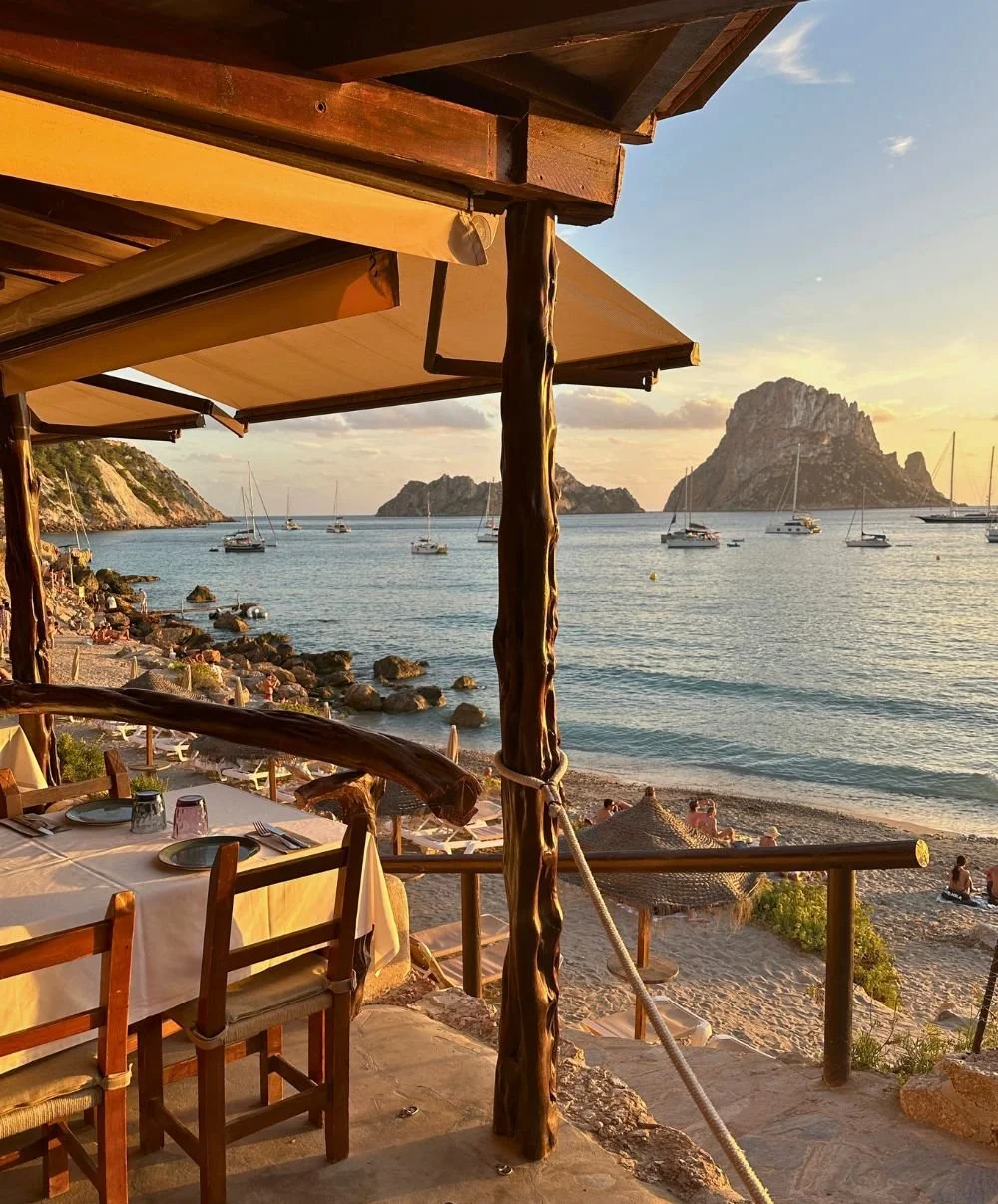
Golden hour at Restaurante El Carmen: dreamy
Instead, enjoy the view responsibly from the nearby beach of Cala d’Hort. Restaurante El Carmen has a terraza overlooking the beach with gorgeous views of Es Vedrà, and you can book a table online. I practically cooed in delight when we were shown to ours (see the photo at the top of this page).
There’s an outdoor parking lot with ample parking just a few minutes’ walk up the hill from the restaurant - look out for it on your left if you’re driving.
4. Spot flamingos in Ses Salines Natural Park
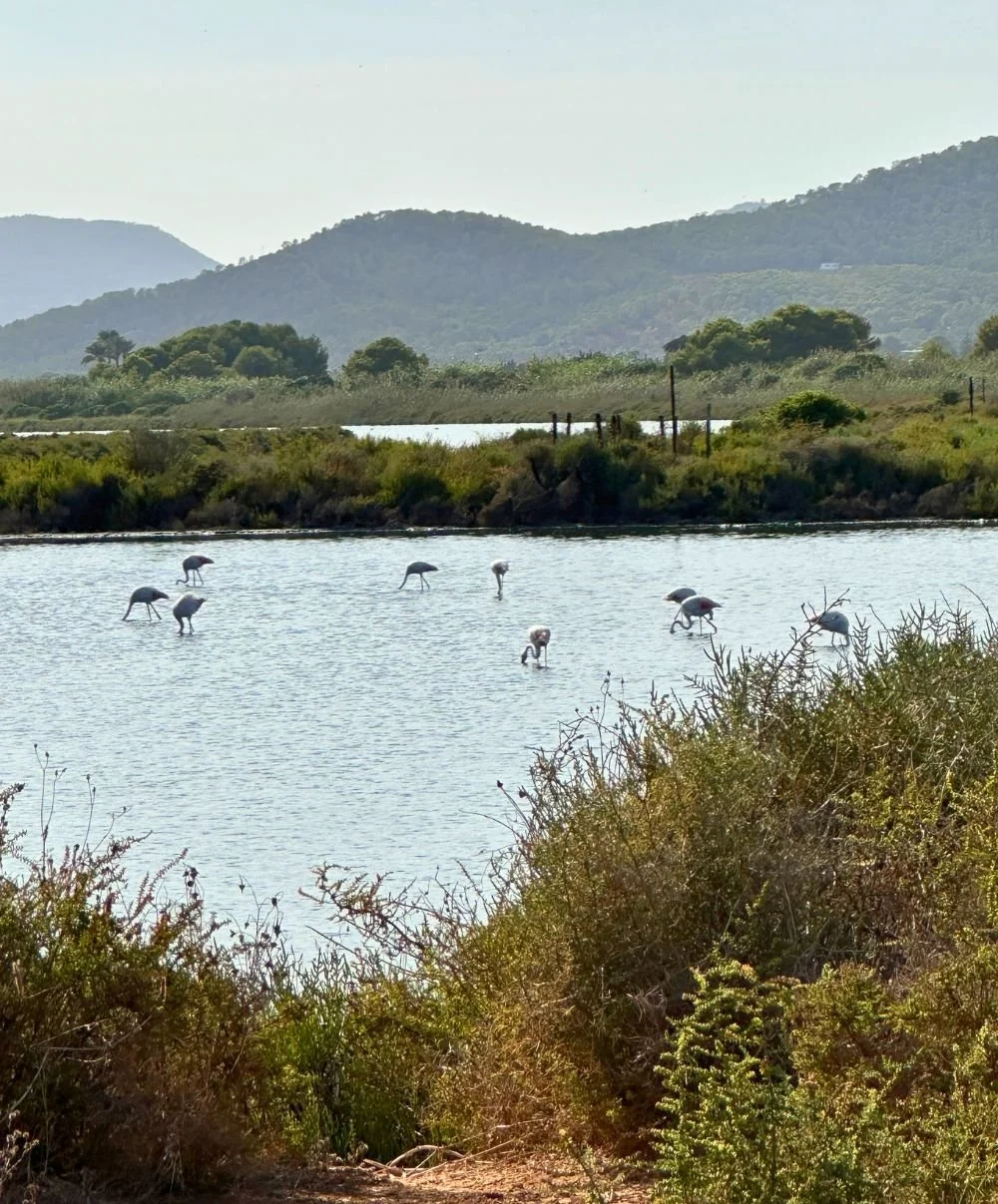
Ses Salines is an area of ancient salt pans (our old friends the Phoenicians were the first to harvest salt here) that’s a favourite spot for migratory birds such as flamingos. You might be able to spot the elegant waders here at any point between May and October, but the best months are August and September.
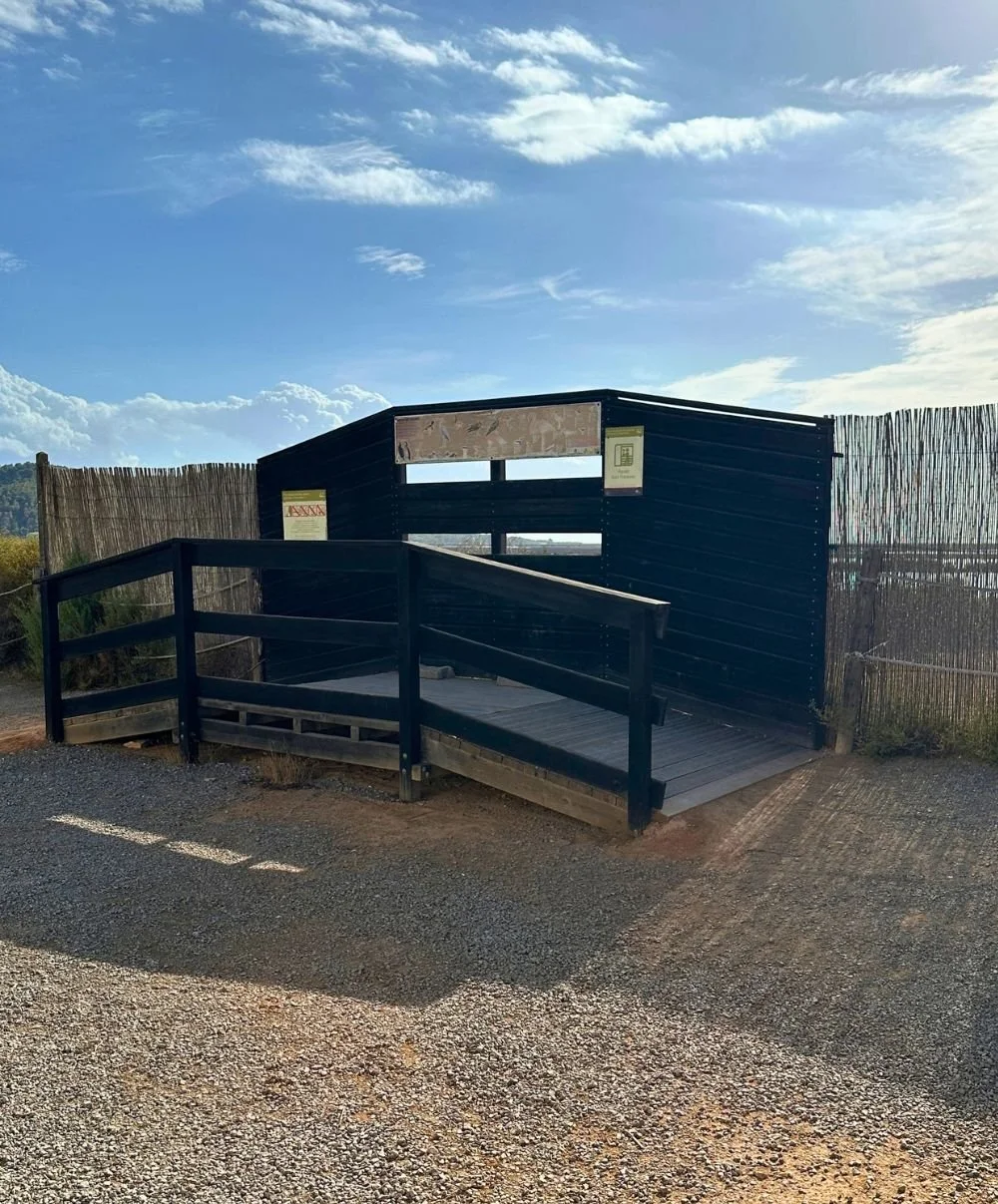
Flamingos are sensitive to noise and bright colours, so bear this in mind if you visit, and be sure to keep a respectful distance. The best way to see them is to head for the interpretation centre Sant Francesc. There’s a custom-made viewing platform just outside, or you can take a walk along the marked path that runs parallel to the salt pans.
5. See a performance of ancestral dance
Ball pagès is a centuries-old folk dance unique to the Pityusic Islands (Ibiza and neighbouring Formentera) and witnessing it feels like travelling back in time. The dancers are accompanied by musicians playing lilting, medieval-sounding tunes with a flute and drum, and the traditional clothing plays an essential role, too. The women wear an elaborate set of chest jewellery called the emprendada. These were traditionally made from silver and coral but are now often made from gold.
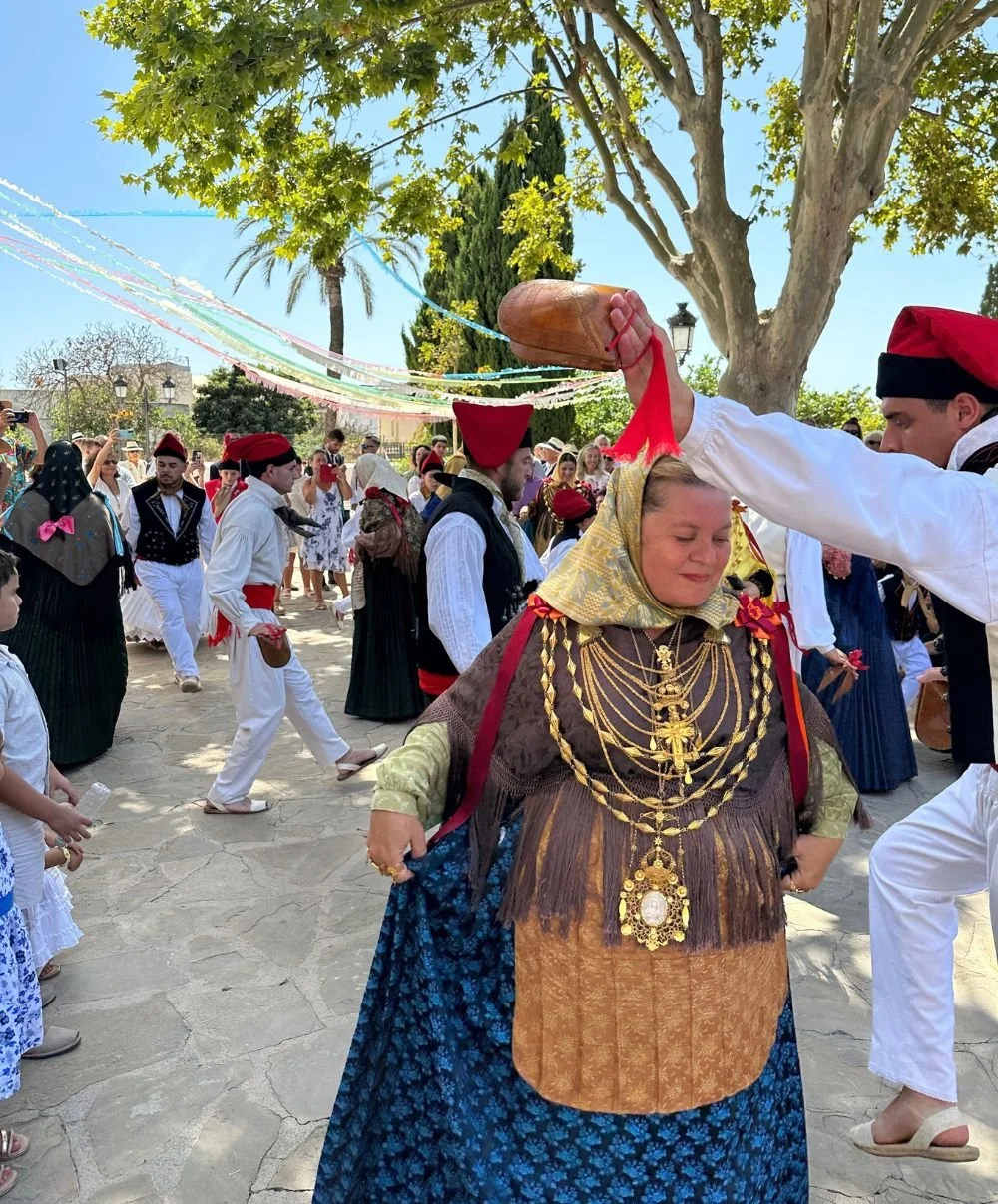
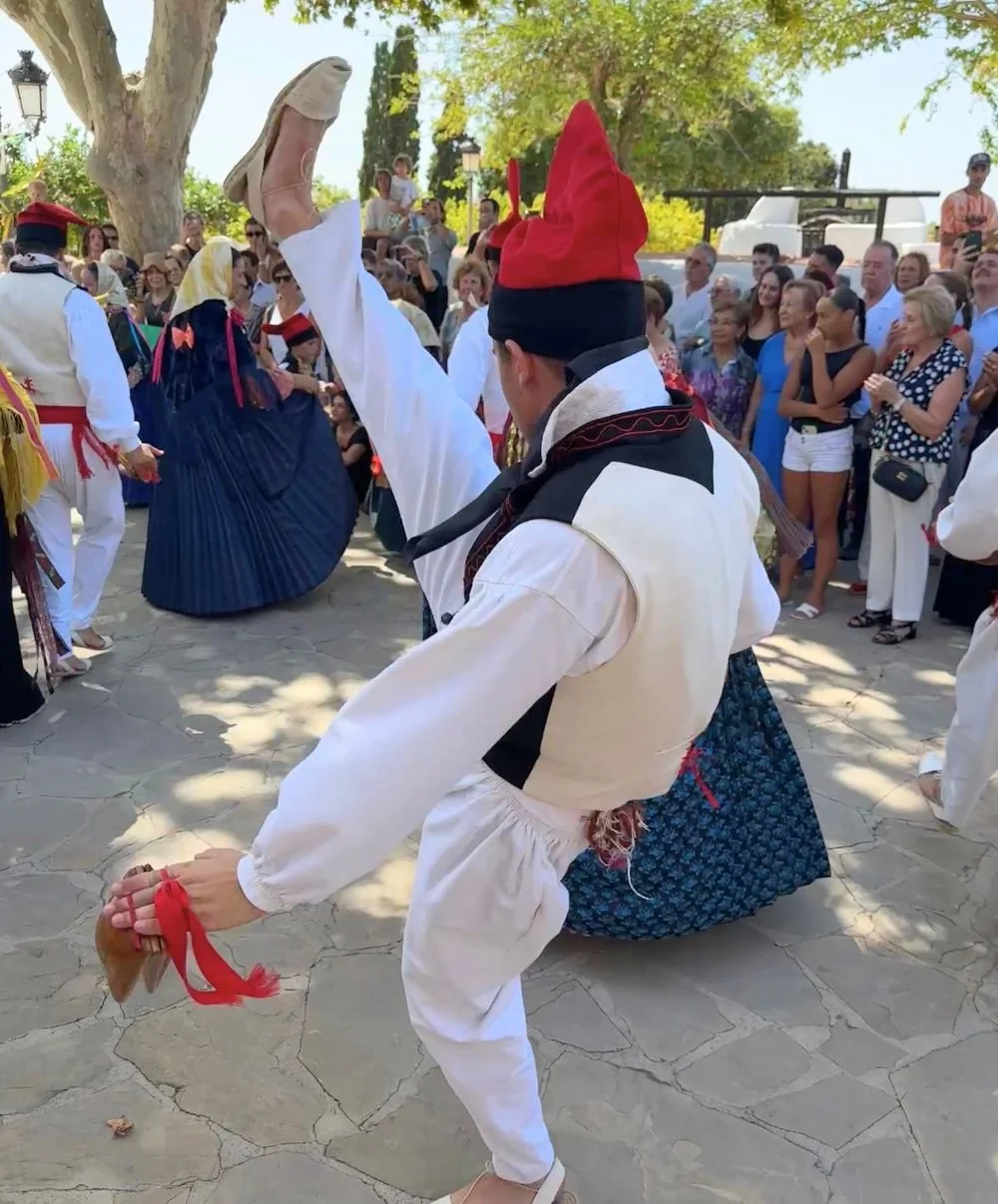
I was lucky enough to catch a performance of ball pagès during my trip and found it absolutely mesmerising. If you’d like to see it too, keep an eye on the listings of village festivals and other performances on the Ibiza tourism website. If you miss out on seeing the dance itself, you can see examples of the traditional clothing and jewellery in the island’s Ethnographic Museum.
6 Enjoy a spa day at Aguas de Ibiza
Ibiza has a growing reputation for spa and wellness tourism, and this hotel in the town of Santa Eulària des Riu is a case in point. As the name suggests, the common theme of Aguas de Ibiza is water. The hotel has several swimming pools (one wraps around its rooftop restaurant, Maymanta), and the Revival Spa by Clarins, a luxury wellness facility. Its hydrotherapy circuit includes a Feng Shui massage pool, saunas, canopied daybeds and a wellness bar with a selection of healthy beverages and fruit.
Spa days are available to non-guests from €40, including two hours' access to the hydrotherapy circuit. The hotel also offers longer spa experiences incorporating food and treatments.
Incidentally, Santa Eulària des Riu makes a good base if you’re looking for a more chilled-out alternative to Ibiza Town or Sant Antoni on the west coast, which has more of a party reputation. The town has some great restaurants (we had a fabulous meal at Sa Carboneria, a steakhouse in a quiet backstreet) and is also within easy reach of Las Dalias hippie market. More on that below.
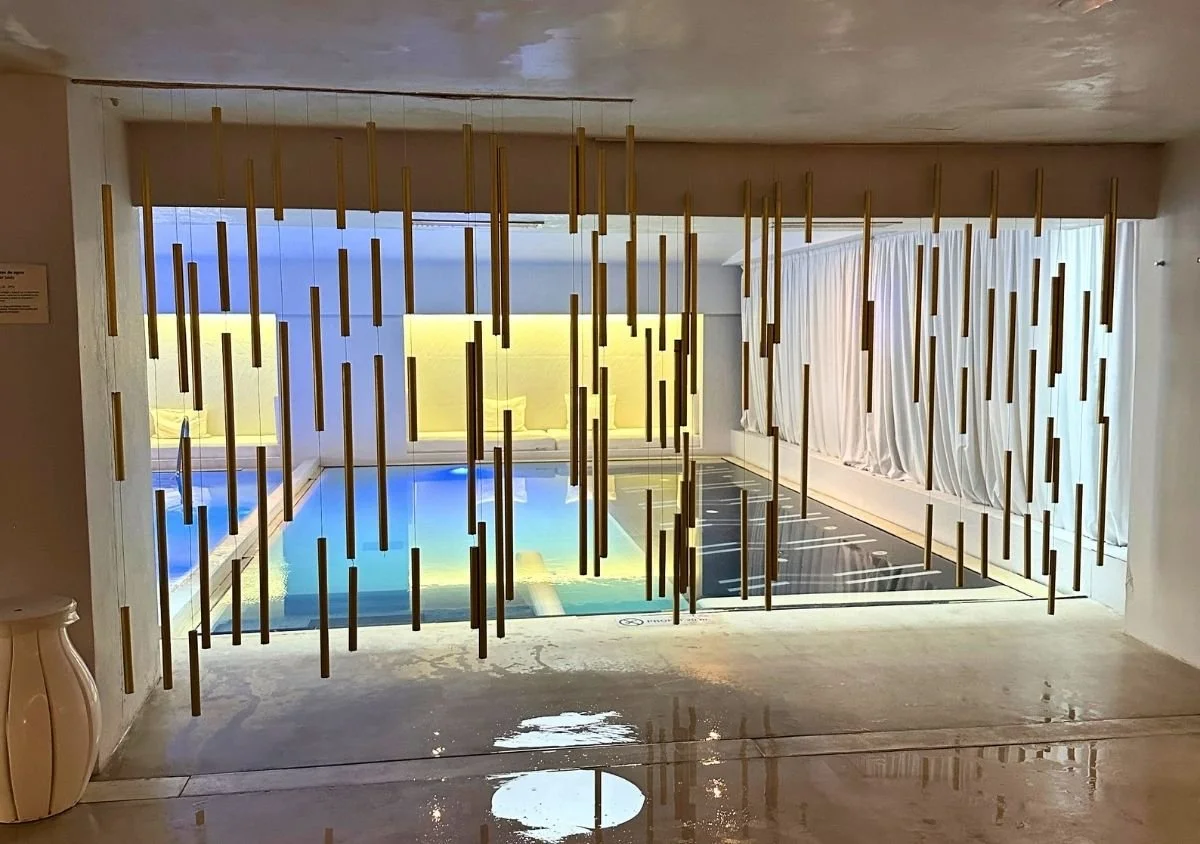
The spa at Aguas de Ibiza
Note: I stayed at Aguas de Ibiza as an invited guest, but all opinions are my own and I was under no obligation to mention them in this piece.
7. Visit the cave sanctuary of the goddess Tanit
If you visit the necropolis of Puig des Molins and become instantly obsessed with Phoenician-Punic history (I can relate), there’s another archaeological site that’s well worth a visit. The Cave of Es Culleram is found on a hillside close to Cala de Sant Vicent in the quiet north of the island. From around the 5th to the 2nd centuries BC, Punic people came here to worship the goddess Tanit and leave votive offerings, including hundreds of terracotta figures. There’s a pile (literally) of these in the museum at Puig des Molins.
The curious thing is that people still leave offerings for her today. When I entered the first chamber of the cave, I found a handwritten letter in Italian addressed to Tanit, a tarot card and a collection of small seashells, coins and other items. After squeezing through a narrow gap I entered the main chamber of the cave, where there was another assortment of offerings on an altar-like rock.
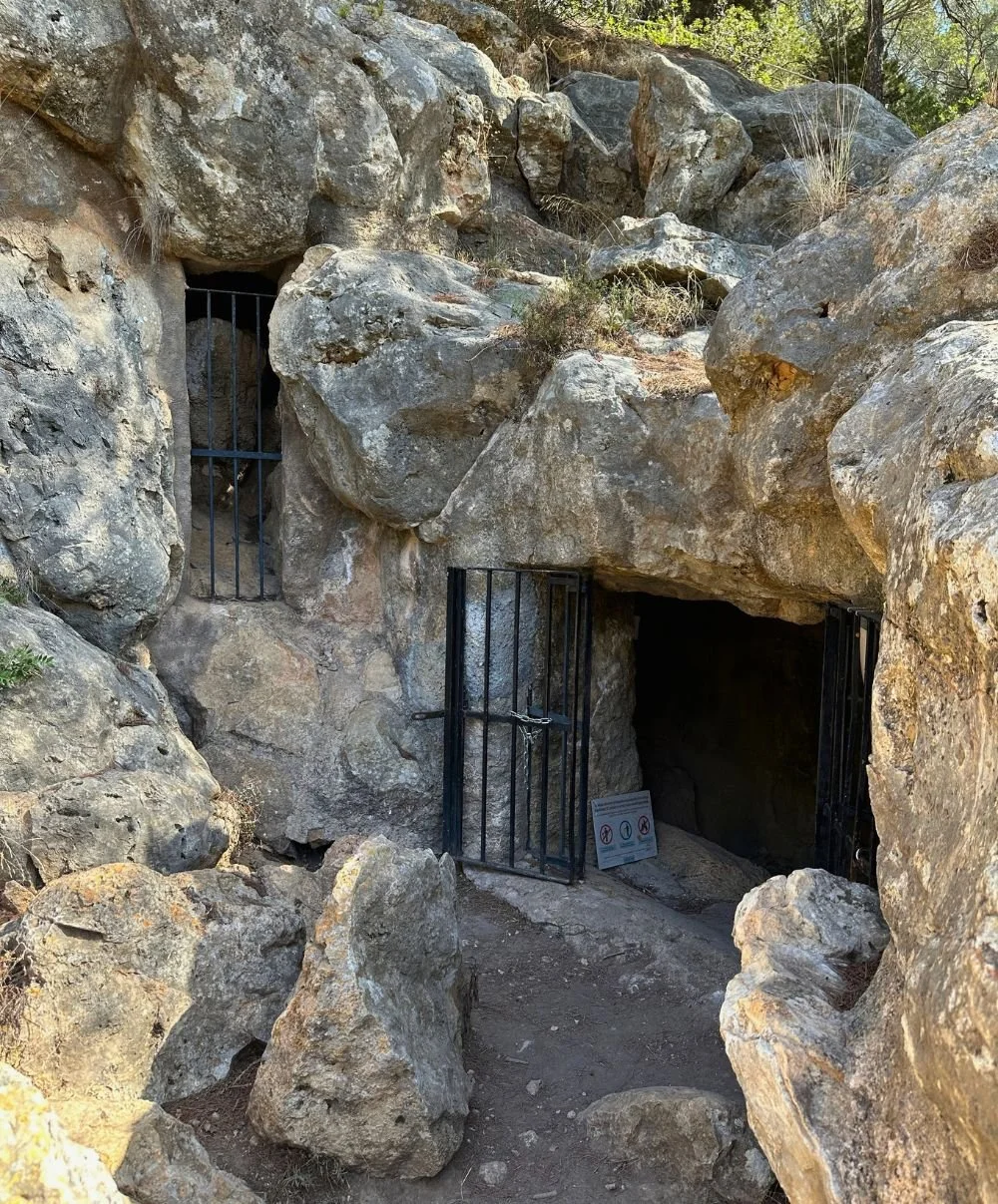
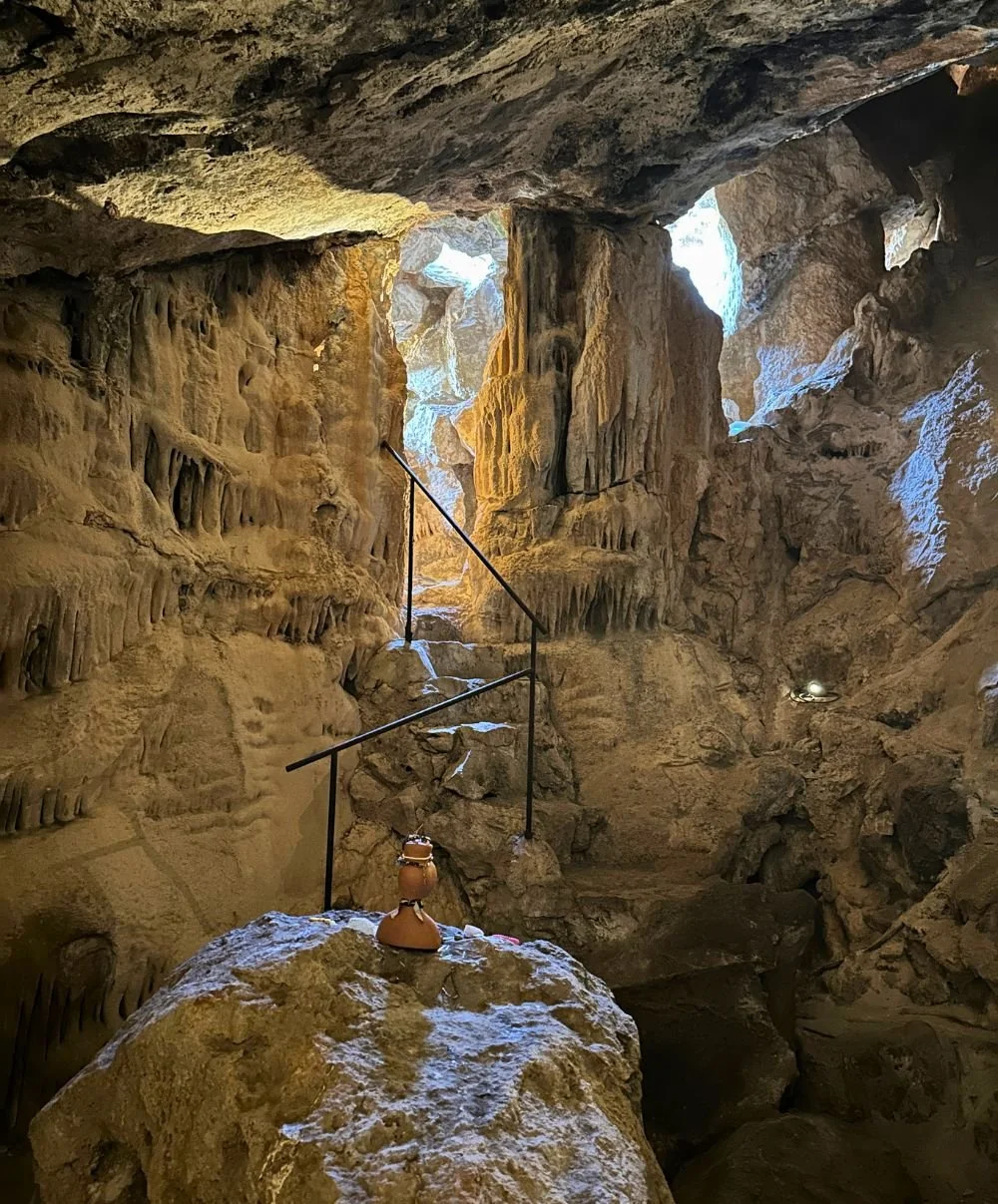
The cave is managed by the Consell d’Eivissa, the island’s regional government, and during its opening hours there’s an attendant onsite who can explain some general information about it. Standing alone inside the cave in the half-light, with the outside world feeling suddenly very far away, I felt a real sense of connection to the island’s past. Not to get too woo-woo about it, but it does have a special energy.
Entry is free and there is no need to book in advance - just check the latest opening hours information on Google Maps before you visit. It tends to be mornings only and closes over the winter. Outside of opening hours the gate to the cave is locked.
8. Try traditional dishes at C’as Pagès
This family-run restaurant just inland from Santa Eulària has been serving hearty home cooking since 1973, and it’s an excellent place to enjoy traditional Ibicencan dishes.
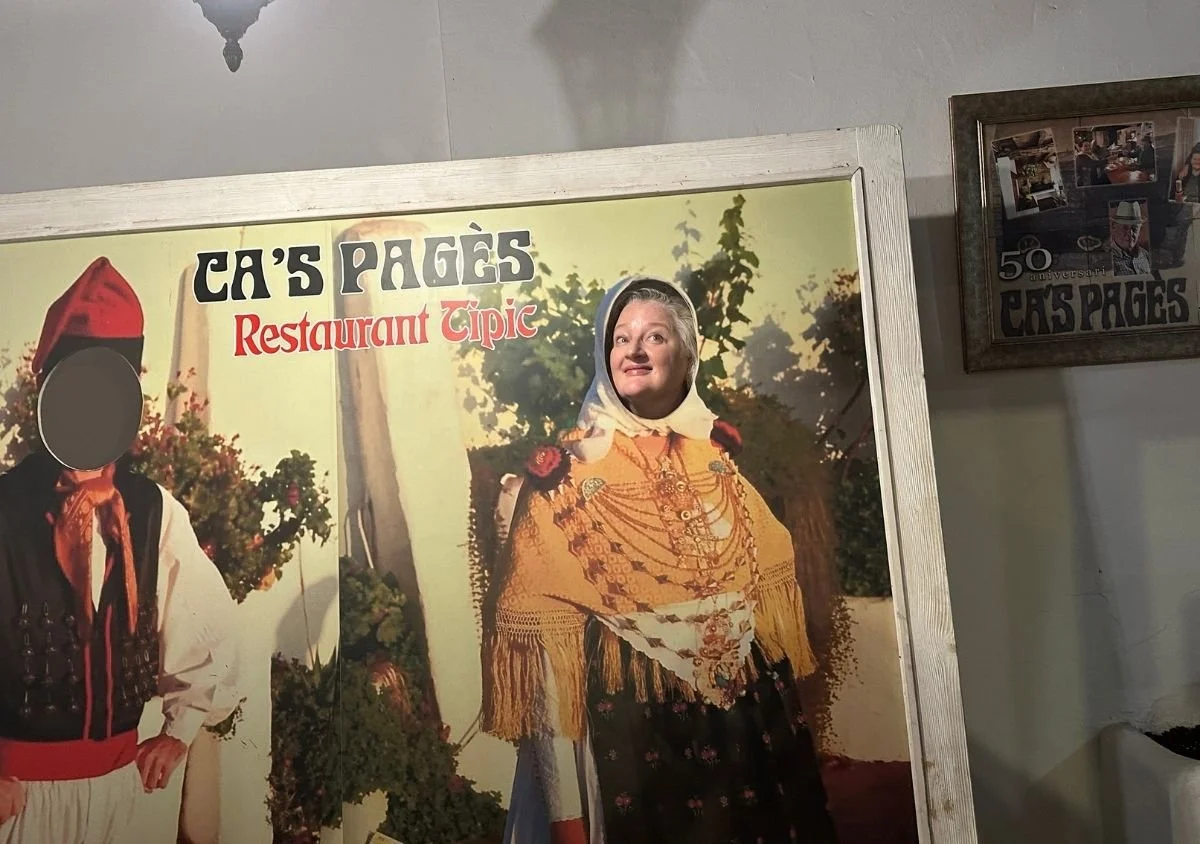
I’m afraid I cannot resist one of these
On the way into its rustic dining room you’ll pass one of those “stick your head in here” photo boards where you can pose in traditional ball pagès-style costume. If this makes it sound like a tourist trap – it’s not. Yes, tourists come here, but it’s a classic example of the maxim sometimes things are touristy because they’re good. One of the star dishes is sofrit pagès, a hearty, herby dish of chicken, lamb, potatoes and local sausages including sobrassada and botifarra. The portion sizes are very generous and you can pay a euro for a takeaway container to take home any leftovers.
As is traditional in Ibiza, the meal comes accompanied by country bread and garlicky alioli, and you can finish with a glass of hierbas ibicencas, the island’s herbal liqueur and an excellent digestif.
Come hungry, and bring cash - the restaurant does not accept cards, or take reservations, so arriving on the early side is a good idea.
9. Drink flaming coffee at Sa Caleta
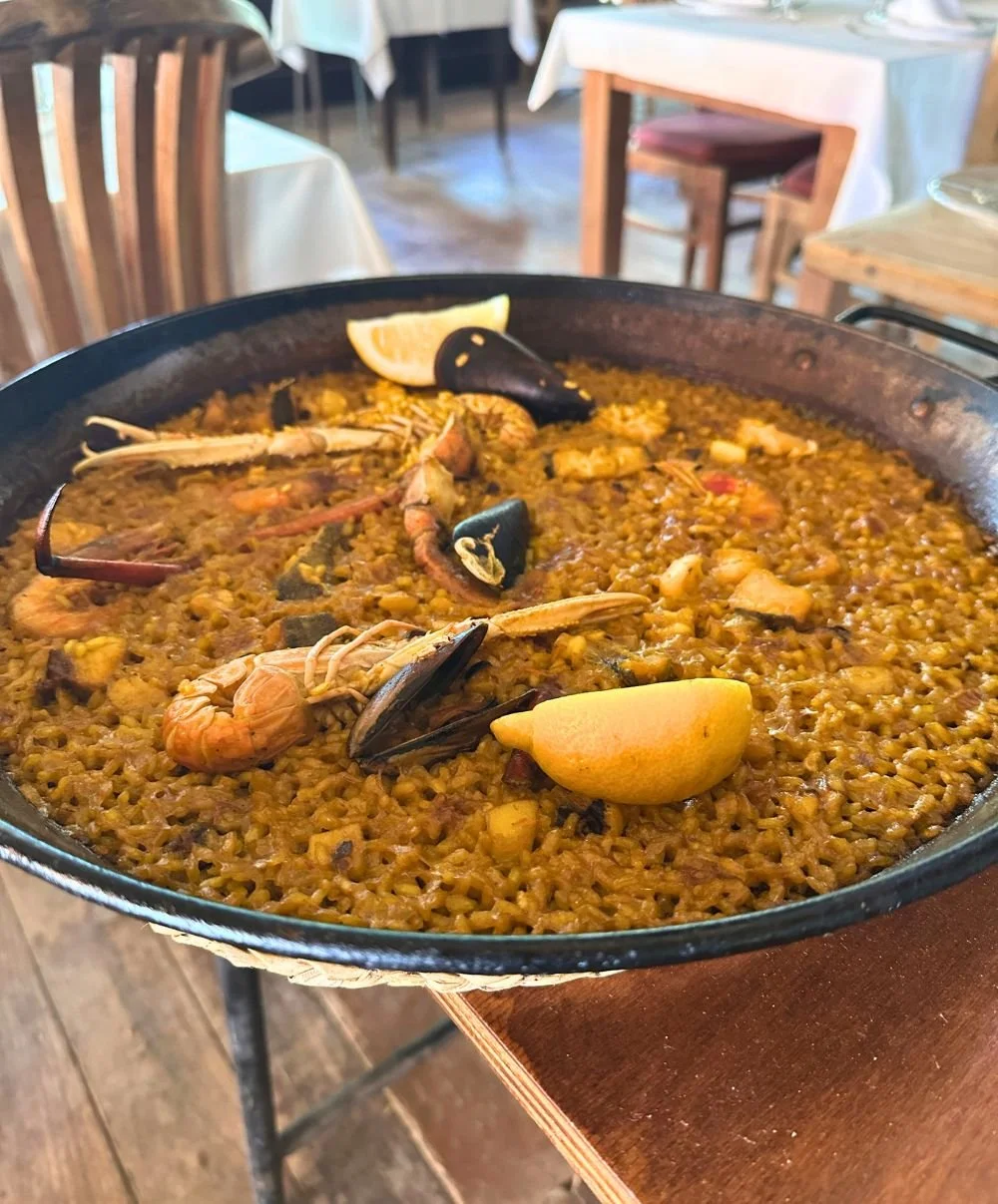
Another long-running restaurant worth visiting is this delightful beach-side spot beside the quiet cove of Es Bol Nou in the island’s southeast. Restaurante Sa Caleta specialises in rice and fish dishes, and we enjoyed a leisurely lunch of seafood paella followed by a sharing plate of typical Ibicencan desserts – flaó, a tart made with fresh goat’s cheese and mint, and greixonera, a bread-pudding-like concoction traditionally made from leftover pastries.
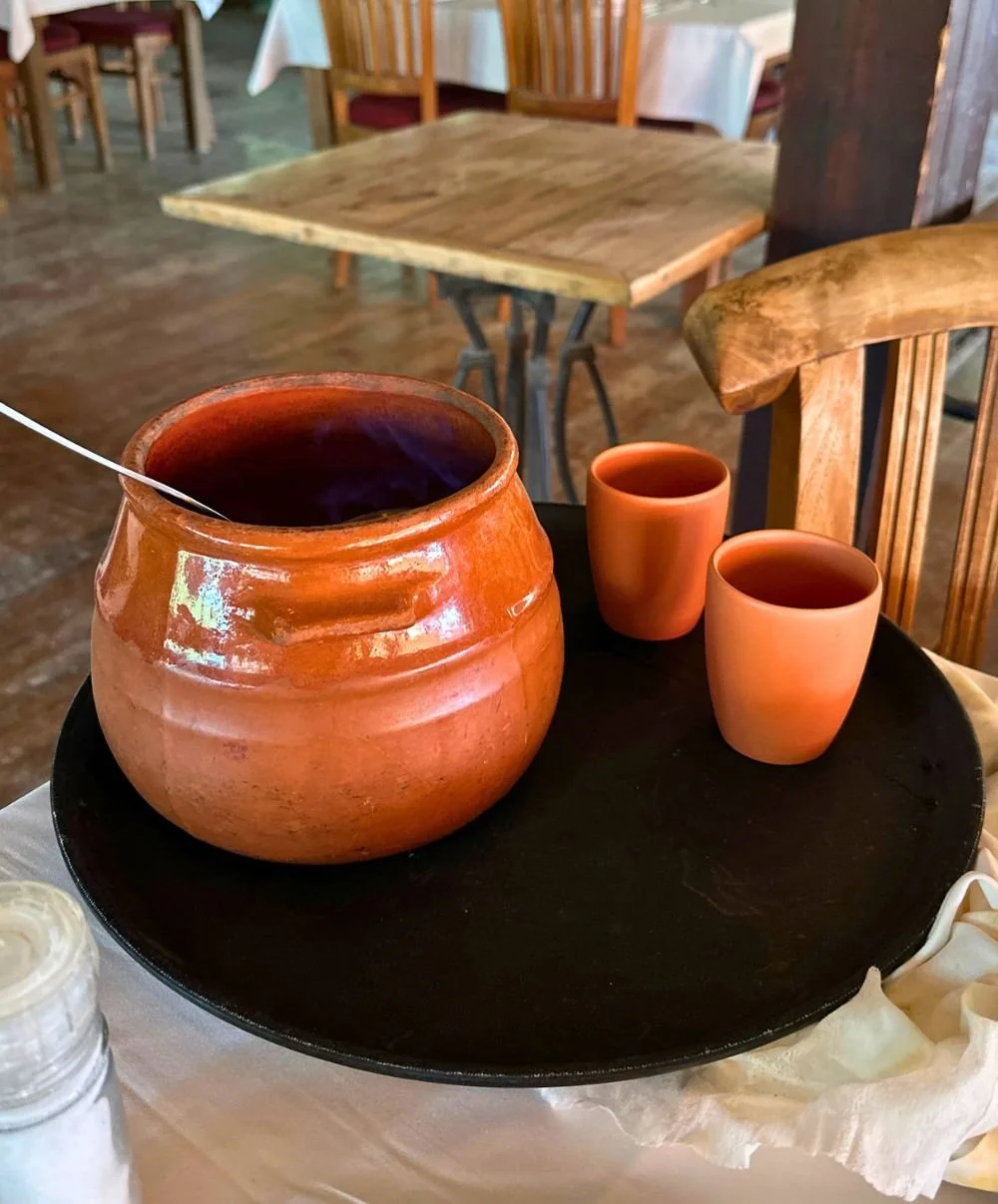
We finished with their signature coffee, café caleta. Legend has it that the restaurant founder’s fisherman grandfather developed the recipe, inspired by the tradition of queimada he encountered in Galicia. A mix of brandy, sugar, spices and citrus peel is brought to the table in a clay pot, then flambéed (watch out for the vivid blue flames) before being mixed with coffee. It’s pure theatre and I loved it. No need for a post-lunch siesta after this pick-me-up!
At the time of writing, Es Bol Nou beach is closed due to the risk of rockfall, but if you fancy a dip, there’s a small secluded cove a few minutes’ walk away. It’s also worth visiting the Sa Caleta archaeological site on the same headland – there are remains of the island’s first Phoenician settlement, plus a small free museum. Ignore the opening times printed on the info board near the restaurant, the ones in Google Maps were correct when I visited.
10. Swing by Anita’s Bar, a piece of hippie history
From the 1950s onwards, Ibiza was a magnet for artists, writers and other creatives looking to live a bohemian life on a budget. They were followed by a big wave of hippies from all over the world (and young Americans dodging the Vietnam war draft), and by the late 1960s Ibiza was to Europe what San Francisco was to the United States. Locals called these new arrivals peluts (hairies). For an entertaining history of this period, I recommend journalist Stephen Armstrong’s book The White Island.
One of the hippie epicentres was Sant Carles in the island’s northeast, and Bar Anita was its unofficial community hub. Hippies living in remote communal fincas would trek to Anita’s to collect their mail (the bar still has a bank of postboxes) or use the phone booth.
Today, Bar Anita makes a good pit stop if you’re heading to or from the north of the island and their sandwiches are excellent.
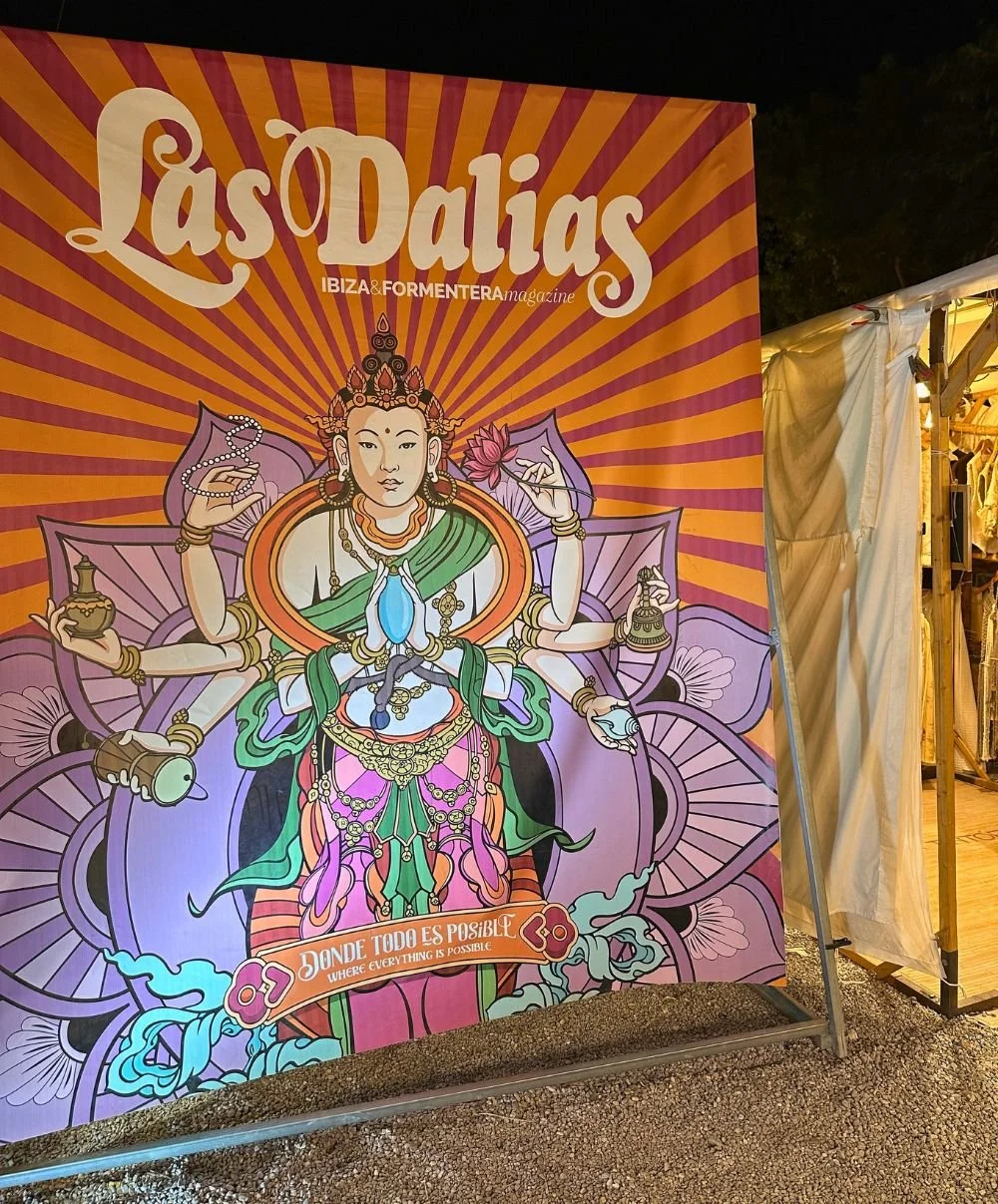
11. Browse Las Dalias night market
Continuing the hippie theme, this market about 10 minutes drive from Santa Eulària sells mostly hippie-inspired clothes, jewellery and knick-knacks. Las Dalias has a long history that’s closely connected to the evolution of Ibiza from an isolated rural community to a cosmopolitan tourist mecca.
During the summer months the market opens on Sunday, Monday and Tuesday evenings from 7-11:30pm, and when I visited I enjoyed its laid-back atmosphere and colourful array of stalls. There are food trucks and an onsite restaurant, live music and even a nightclub (scroll down for more on that).
12. Pick up some authentic local souvenirs
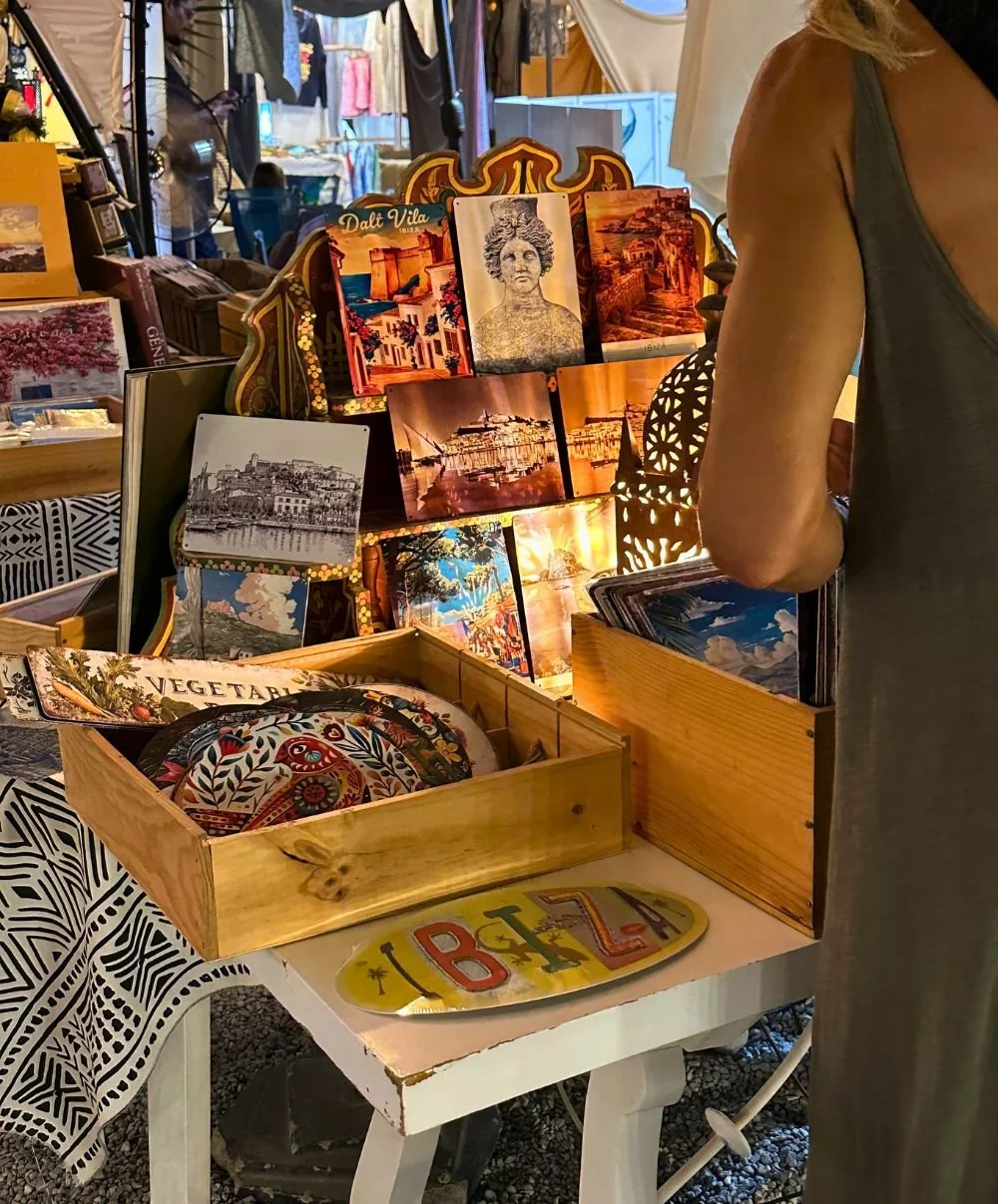
Other than Las Dalias and other long-running hippie markets like Punta Arabi, Ibiza has some nice artisan markets specialising in local crafts. The Sunday market in the village square of Sant Joan de Labritja is a popular choice.
Keep an eye out for espardenyes, handmade shoes made from locally-grown esparto grass, locally produced ceramics, and jewellery inspired by the traditional accessories of ball pagès. Elisa Pomar is the island’s most famous jewellery designer and her two shops in Ibiza Town are museum-like cabinets of wonder.
For foodie treats, check out locally-owned Fluxà Ibiza which produces seasoned salt harvested from the island’s salt pans along with chilli sauces and other condiments. If you’re a group of eight or more you can even book a workshop at their garden and distillery to make your own hierbas ibicencas liqueur.
… And one club (for when the FOMO hits)
It wasn’t the focus of the trip but I felt I really had to visit at least one club on the island (for research purposes, of course). When I found out that Las Dalias had its own onsite venue, Akasha, curiosity got the better of me and I booked a last-minute ticket.
Akasha has a slightly older crowd (25+ is recommended) and smaller capacity than many of the island’s venues, and I think it’s a great choice if you just want to dip a toe in the clubbing scene here. It’s open later and earlier in the year than many clubs, meaning it also attracts a local crowd, though one of its flagship parties - Wednesday night’s Namaste, which I went to - only takes place in the summer months.
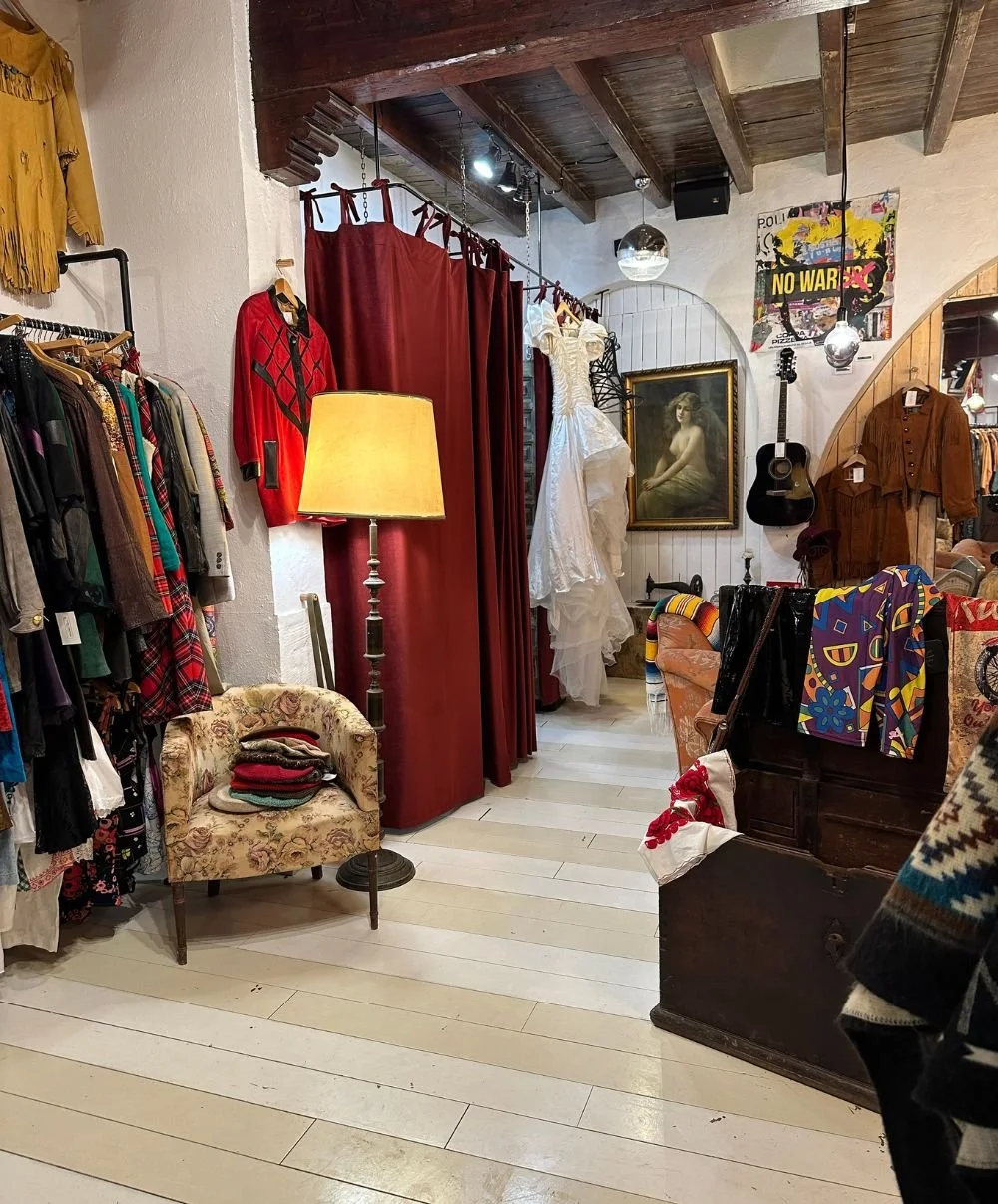

There’s an option to pre-buy your drinks when you purchase your tickets online, which works out a lot cheaper than buying them at the bar. When you fancy a break from the dancefloor there’s also a shop selling vintage clothes and the adjacent garden to chill out in.
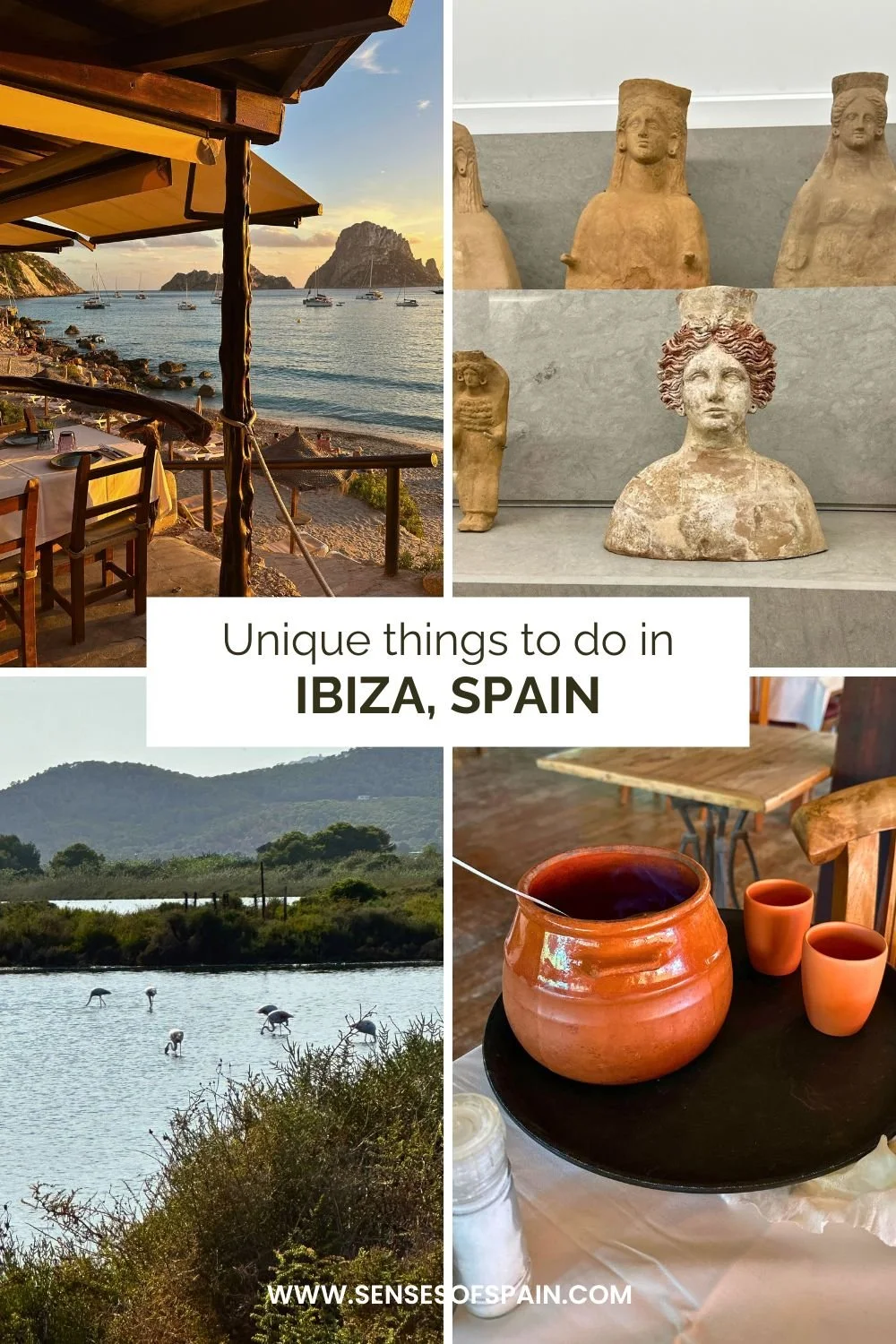
Liked this? Pin it!
This post contains affiliate links, which means I may earn a small commission if you book or buy through them, at no extra cost to you. Thanks for your support!