
Best time to visit Córdoba, Spain: Seasonal tips + photos

Palacio de Viana. Photo © Amy Macpherson
After three years living in Andalucia and more trips to Córdoba than I can count, it’s still in my top three cities in southern Spain. Not only does it have magnificent historic monuments like the Mosque-Cathedral and unique events like the annual Patios Festival, it also has many quiet and beautiful corners that make it well worth staying for a few days or longer.
I’ve visited Córdoba in every season of the year except the height of summer, and my favourite times to visit are spring, when the city is buzzing with events and filled with flowers, and autumn through late winter, when it’s less busy and cool enough to comfortably explore outdoor sites.
While Córdoba is beautiful year-round, the timing of your trip can make a huge difference to your experience. Summers in this part of inland Andalcuía are furnace-like, with temperatures regularly climbing above 40°C (104°F), while spring brings big crowds and higher prices.
Read on for a breakdown of exactly what to expect in each season, so you can decide the best time to visit Córdoba for your travel style.
This post may contain affiliate links, which means I may earn a small commission if you book or buy through them, at no extra cost to you. Thanks for your support!
Quick answer: When is the best time to visit Córdoba?
Best overall: April and May
Best for fewer crowds: November
Best for festivals: May and October
Best to avoid: July and August
Why May is Córdoba’s big month
May is when the city’s flower-filled patios are at their best, and the first half of the month is when the UNESCO-recognised patios festival - the Fiesta de los Patios - takes place. This alone would make May the perfect month to visit. However, it’s not the only major cultural event this month.

Calle Badanas, 13. Photo © Amy Macpherson
Right before the patios open their doors to the public, Córdoba celebrates the Cruces de Mayo (Crosses of May), a traditional festival when local people decorate large crosses with flowers, shawls and folk art and display them in plazas and other spaces across the city. Like many festivals in Andalucía, it blends religious and cultural traditions with a lively social atmosphere - many of the places where the crosses are displayed also have temporary street bars serving drinks and tapas.
Not long after the Patios festival finishes, it’s time for the city’s annual fair, a week-long celebration known officially as the Feria de Nuestra Señora de la Salud. In 2026, it’s taking place from May 23 to 30.
It has all the classic hallmarks of an Andalucían feria - the colourful dresses, the delicious local food and drink, the folk dances known as sevillanas, and Andalucían equestrian culture on full display. The feria takes place in dedicated fairgrounds in El Arenal, southeast of the city centre. The casetas (individual marquees) in the fairground are all open to the public.
Head over to my SubStack for a comparison between two of Andalucia’s biggest ferias (Seville and Málaga).
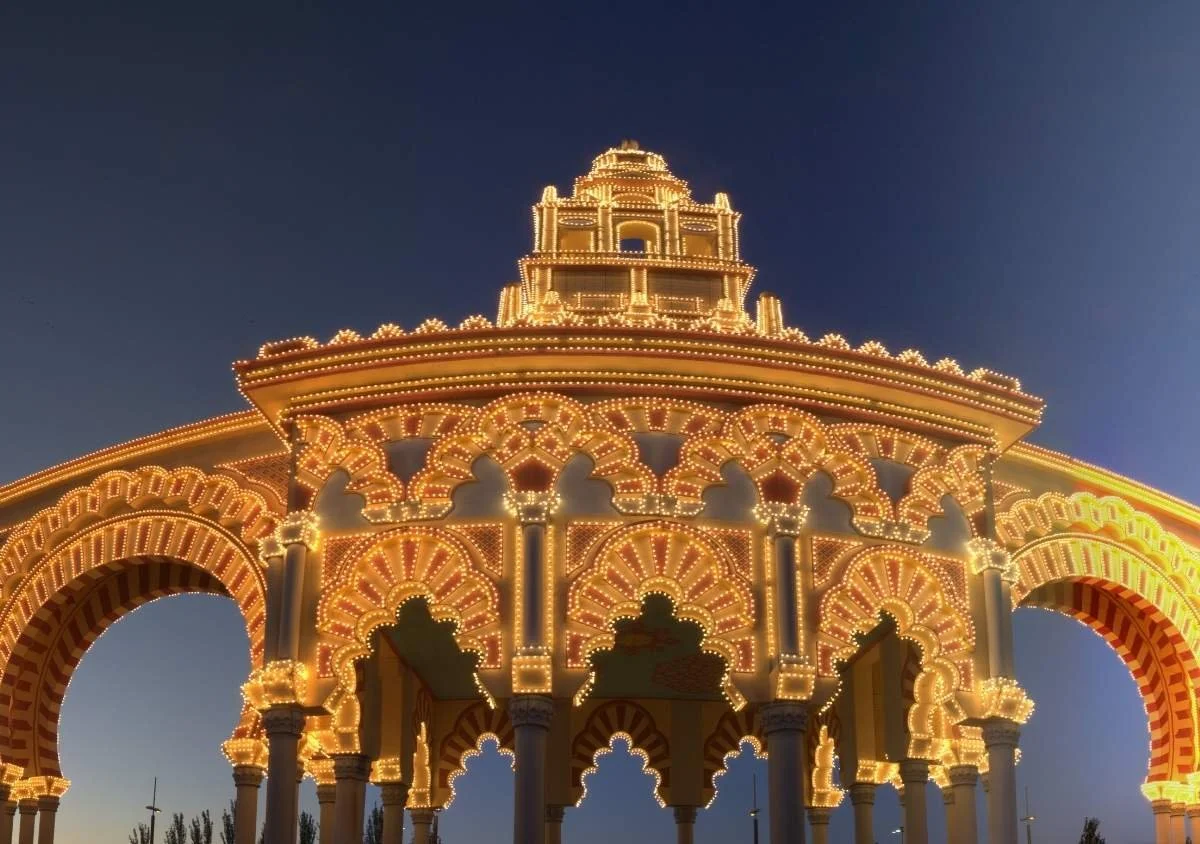
The portada (entrance arch) of Córdoba’s feria. Photo: jpgaunion va Canva
Tips for visiting Córdoba in May
My number one tip is to book your accommodation well in advance - check out my tried-and-tested recommendations for places to stay. I also recommend booking restaurants and cultural sites such as the Mosque-Cathedral in advance, just to be on the safe side.
If you’re looking to visit the Patios Festival and haven’t managed to find accommodation in the city, it’s possible to see some of the highlights on a day trip from a nearby city such as Malaga or Seville. I’ve covered the logistics of this in my guide to visiting the Fiesta de los Patios.
Visiting Córdoba in the summer
The temperatures in Córdoba are really starting to climb in June, but - except for the occasional heat wave - it’s still pretty bearable, provided you avoid being outside too much in the hottest part of the day (around 1-6pm).
My advice for beating the heat is to have a long, leisurely lunch somewhere air-conditioned (try the city’s emblematic cold soup, salmorejo cordobés), followed by an afternoon siesta. Consider booking a hotel with a pool so you can have a cooling dip - the NH Collection Palacio is a good option as it’s right in the heart of the old town.

Salmorejo and a cold beer: the Córdoba summer survival essentials. Photo © Amy Macpherson
After that, you’ll be ready to go exploring again when the city cools down and comes back to life. Evenings are a great time to wander the city’s pretty cobbled streets and admire the floodlit historic monuments. You could also go on a tapas crawl and enjoy a flamenco performance. In fact, June is when Córdoba celebrates its annual Noche Blanca del Flamenco (White Night of Flamenco), an all-night flamenco marathon that sees the city’s public spaces transformed into outdoor flamenco stages. In 2026, this takes place on June 20. Entry is free.
As for visiting in July or August, personally I would not recommend it, unless you’re used to dealing with extreme heat. I’ve visited other cities in Andalucia during these months (and enjoyed August in Malaga when I lived there), but Cordoba has the reputation of being even hotter than Seville, so I’ve never been brave enough to try it.
October: the second-best time to visit
By September, the city is starting to cool off, but for me, October is the perfect time to visit Córdoba outside of the spring months. It’s still warm enough to eat outdoors at restaurant and bar terraces late into the night, the days are usually bright and sunny, and there are also some special events taking place.
The FLORA festival
FLORA is like the avant-garde younger sibling of the Patios Festival. Launched in 2017, this cultural festival sees some of the world’s leading floral and botanical artists come to the city to create temporary installations in public courtyards such as the Patio de los Naranjos (outside the Mosque-Cathedral) and the Palacio de Viana.
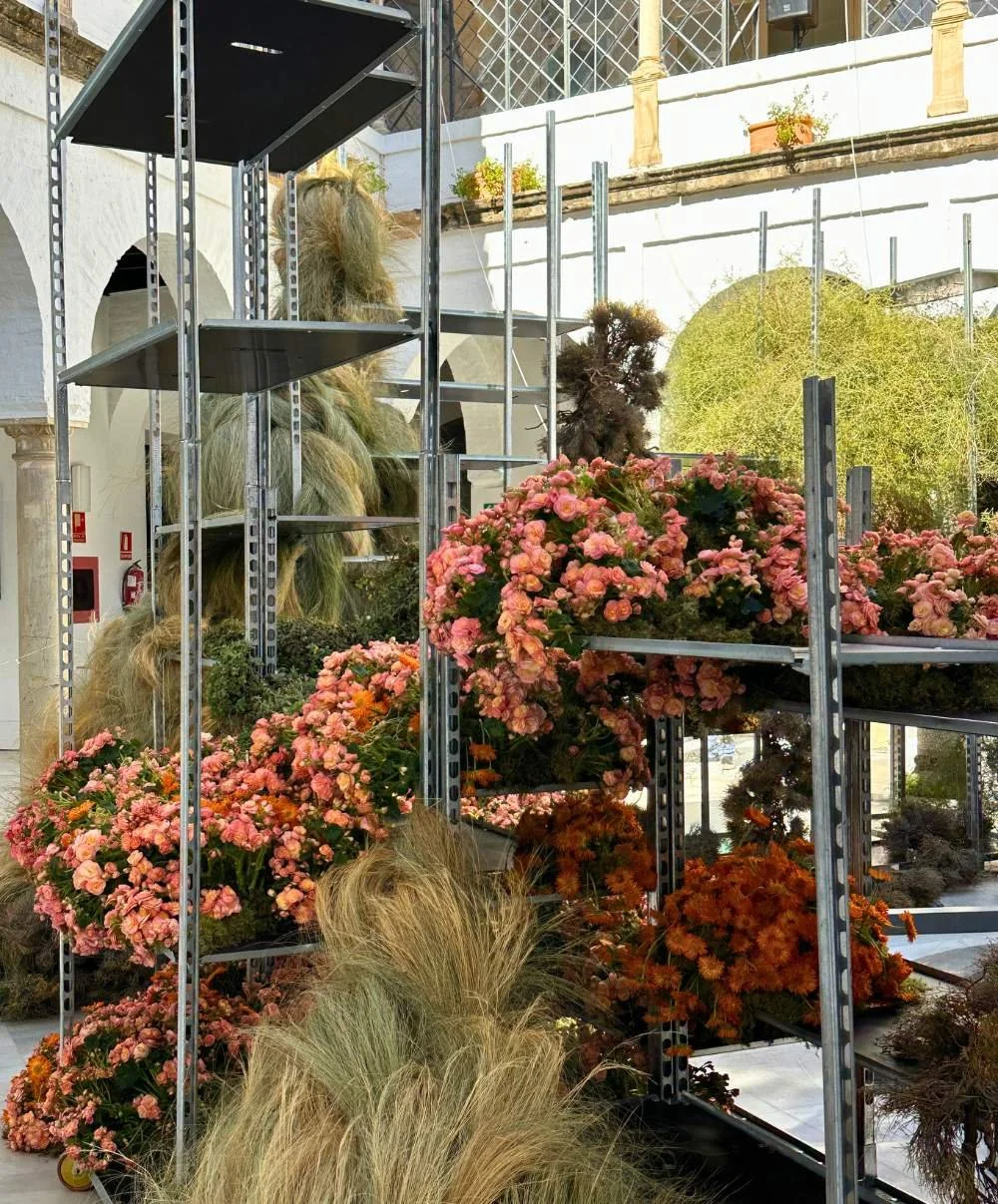
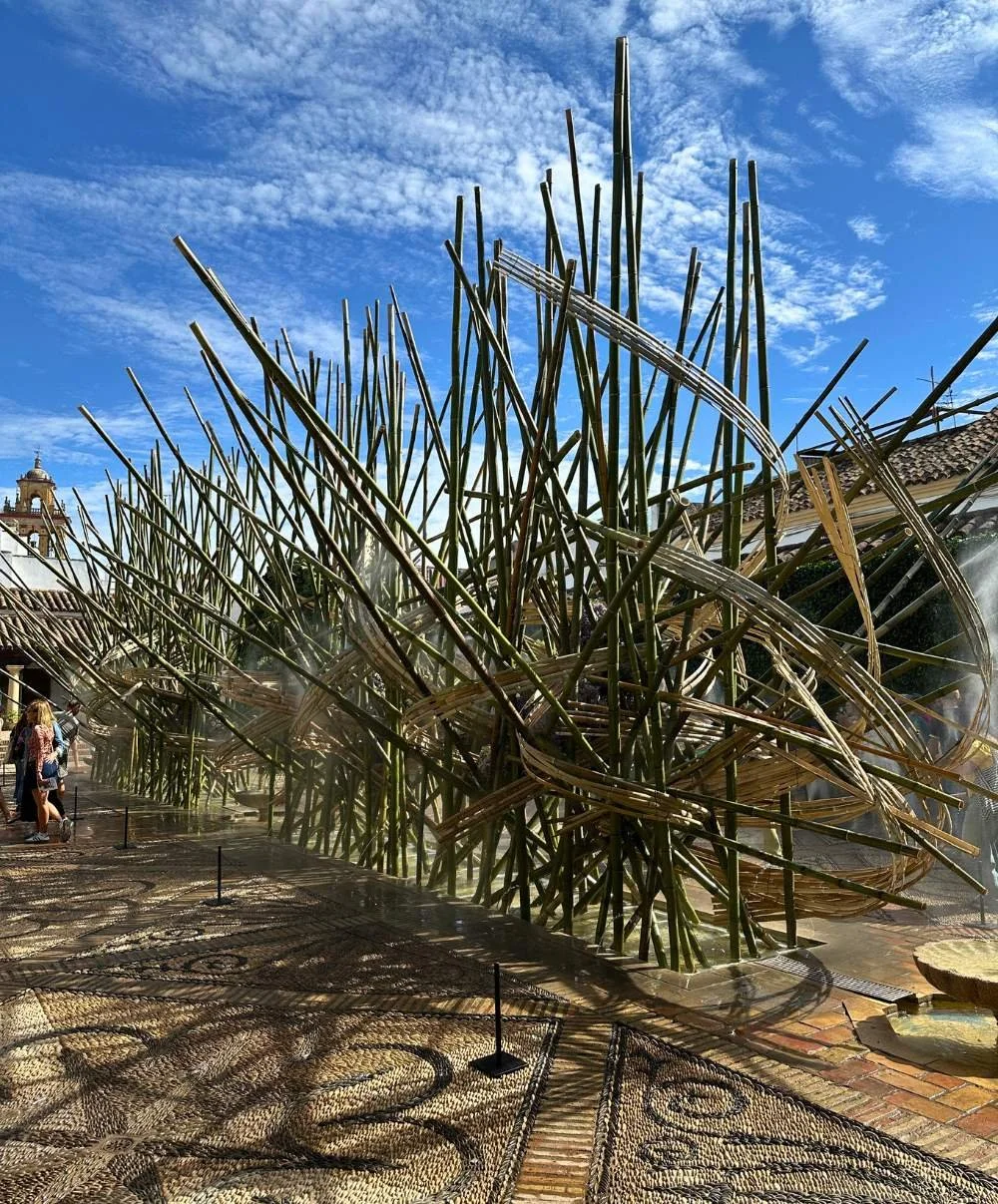
Shown above: FLORA 2025 displays in Palacio de Orive (artist: Ikefrana) and Palacio de Viana (artist: Wagner Kreusch). Photos © Amy Macpherson
Like the Patios Festival, entry to FLORA is free. You may need to queue for 15 minutes or longer at peak times, but it’s worth it to see these truly spectacular and imaginative works of art. I visited in 2025, when the theme was “Future”, and was impressed by the way the artists wove this into their displays - inviting reflections on the environment, our changing world, and the potential to learn from nature.
Tips for visiting: In 2026, FLORA runs from October 12 to 22. I recommend visiting the installations on weekdays to avoid the crowds. As there are fewer patios involved than during May’s Patios Festival, the city is overall not as busy, but it’s still worth booking your accommodation in advance.
Medieval Days at the Castle of Almodóvar
The Castle of Almodóvar, 30 minutes drive from Córdoba, makes an excellent day trip from the city - especially when they hold special events like the Jornadas Medievales (medieval historical reenactment days). These are typically held in March/April and again in October. Read my full guide to visiting the Castle of Almodóvar.
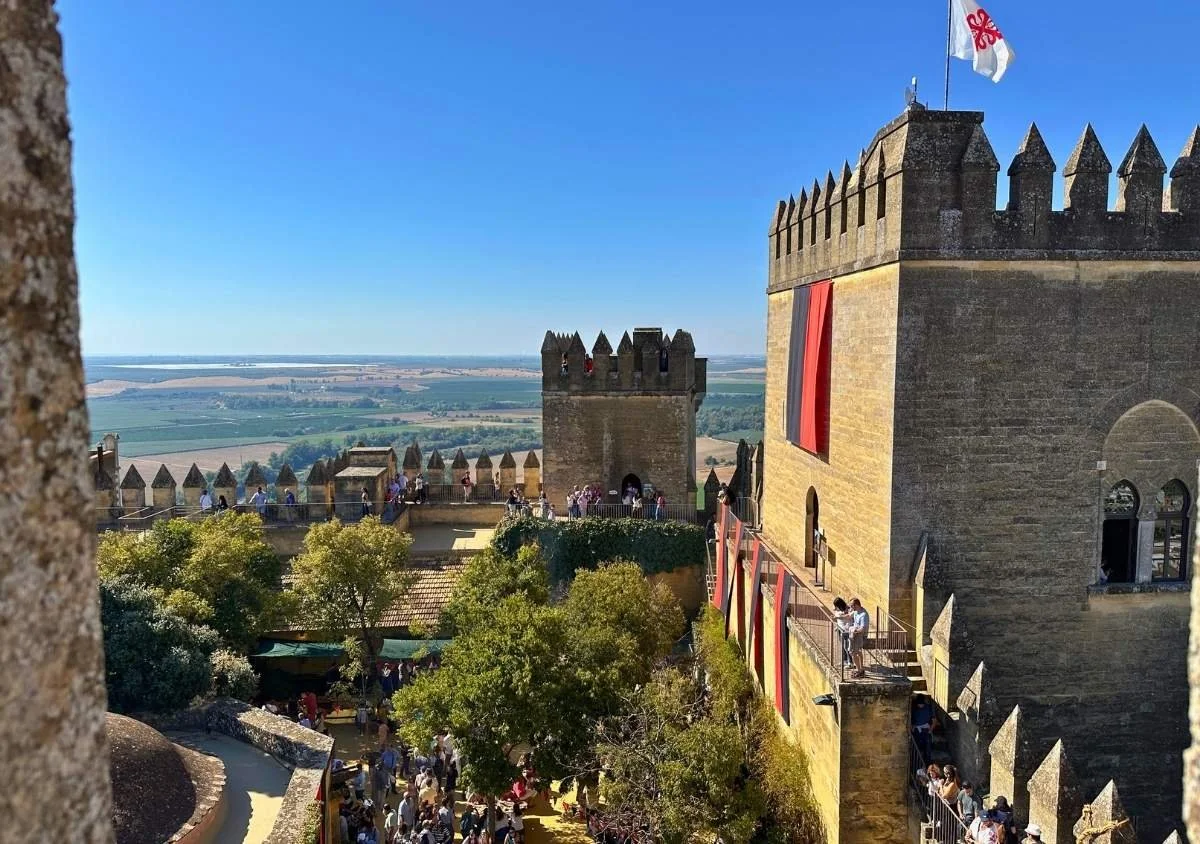
Jornada Medieval at the Castle of Almodóvar. Photo © Amy Macpherson
It’s a great all-ages day out, with activities for kids, falconry and displays, court jesters, music and mock battles. The castle itself is stunning, with expansive views over the Cordoban countryside and plenty of photo opportunities. It was used as a filming location for Game of Thrones, and there are photo boards throughout the castle grounds showing which scenes were filmed where.
November: Best for avoiding crowds
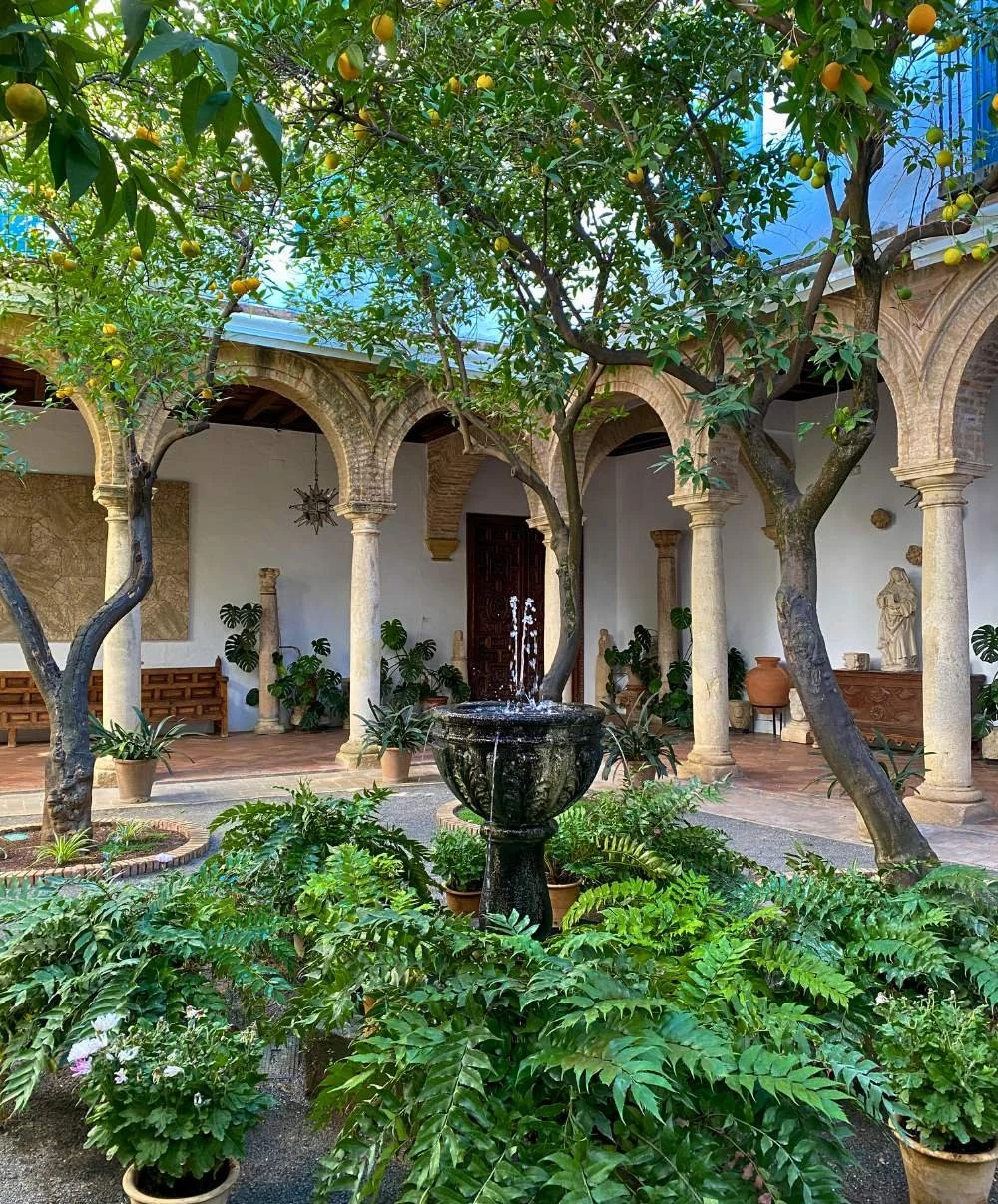
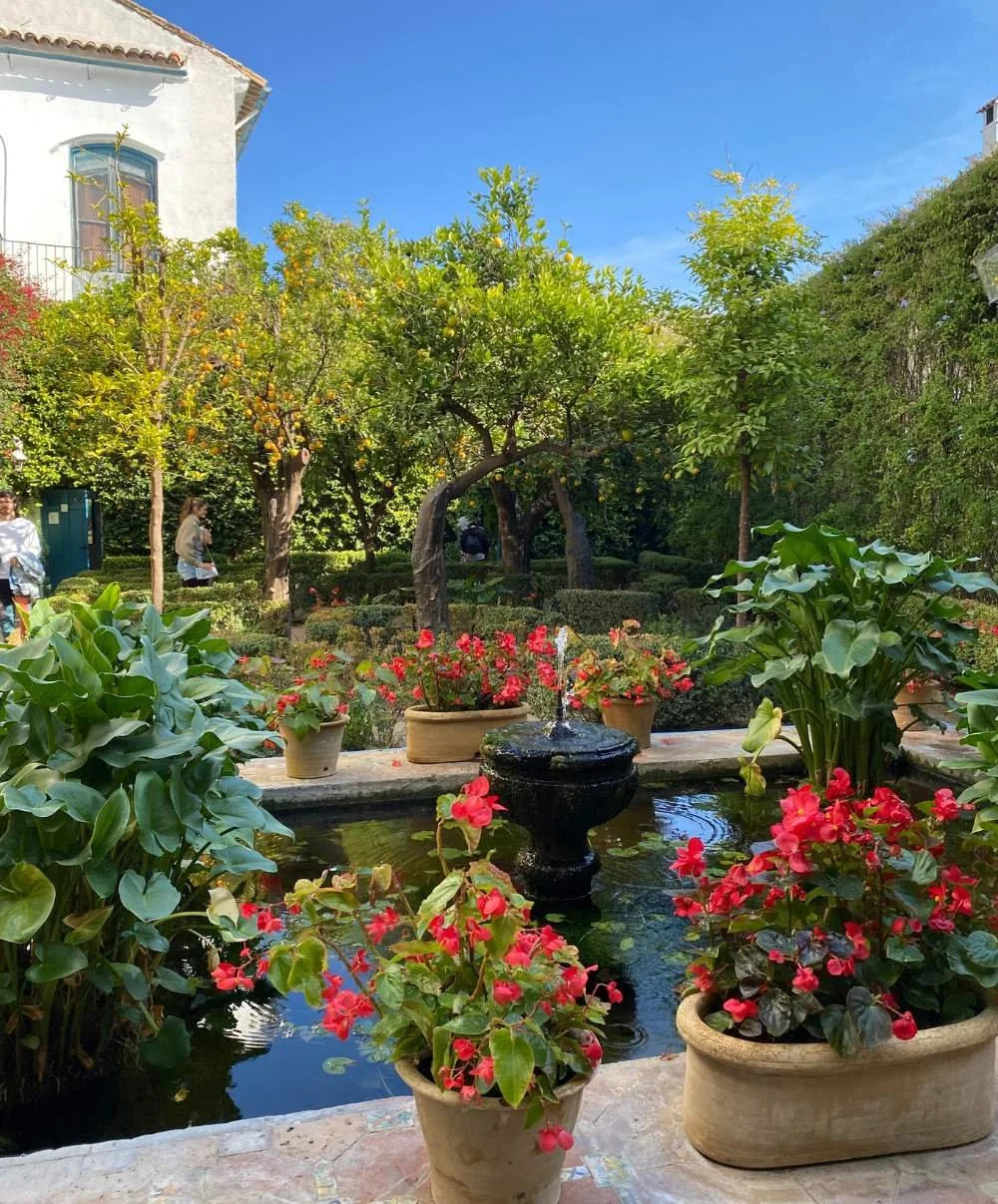
Although it can be cold and sometimes rainy (statistically, this is the wettest month in Córdoba), I also love visiting in November when the city is much less busy. Plus, even though they’re no longer in full bloom, the patios in places such as the Palacio de Viana (shown below) are still lush and green. These photos were taken in November.
This is also a great time of year to visit the nearby ruins of Medina Azahara (also known as Madinat al-Zahra), the “shining city” of the medieval Caliphate of Córdoba. While not as complete as later examples of architecture from al-Andalus, such as Granada’s Alhambra, this archaeological site is still a fascinating window into the region’s Islamic past, and the on-site museum is excellent.
There is very little shade in the outdoor part of the site, which is why the cooler months are a much better time to come here.
December: Christmas lights and festivities
Córdoba switches on its Christmas lights by the first week of December, so if you visit this month, you’re in for a festive treat. As in many Andalucían cities, December gets busy with people flocking into the centre to enjoy the holiday season, especially in the evenings when the light and music display takes place.
The main Christmas lights are in Calle Cruz Conde, and the light and music show happens there each night, usually at 6.30pm, 7.30pm and 8.30pm. Check the Andalucía tourism website Córdoba Christmas lights page for confirmed dates and timings.
As well as the lights, be sure to check out the Christmas market in Plaza de las Tendillas, and look out for ornate nativity scenes throughout the city. Called Belenes in Spanish (Belén = Bethlehem, the town of Jesus’ birth), these are something of a national obsession in Spain. The models are miniatures, but the scenes are sometimes the size of whole rooms. I never get tired of looking at all the incredible details, which typically combine biblical events with scenes from local life.
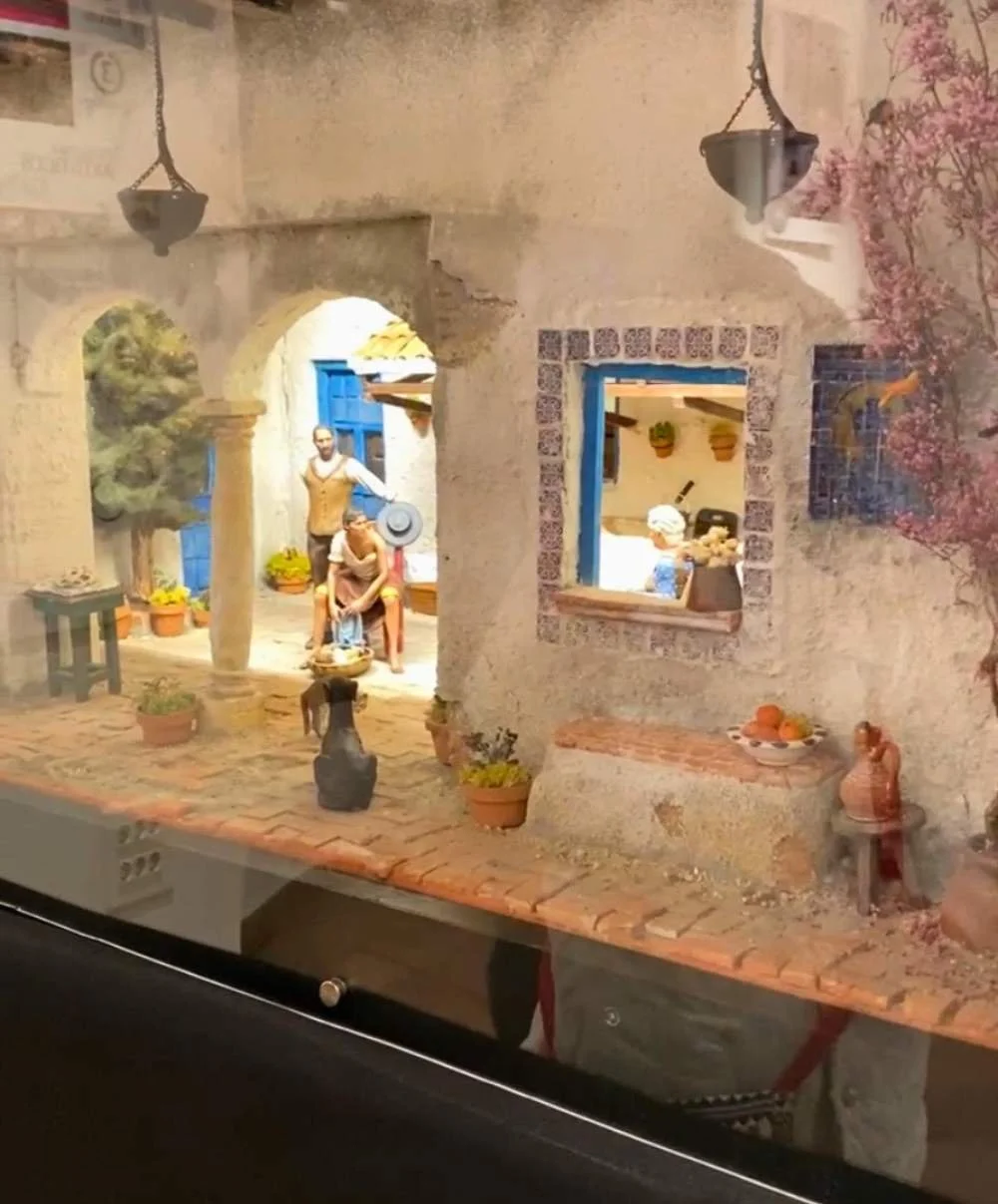
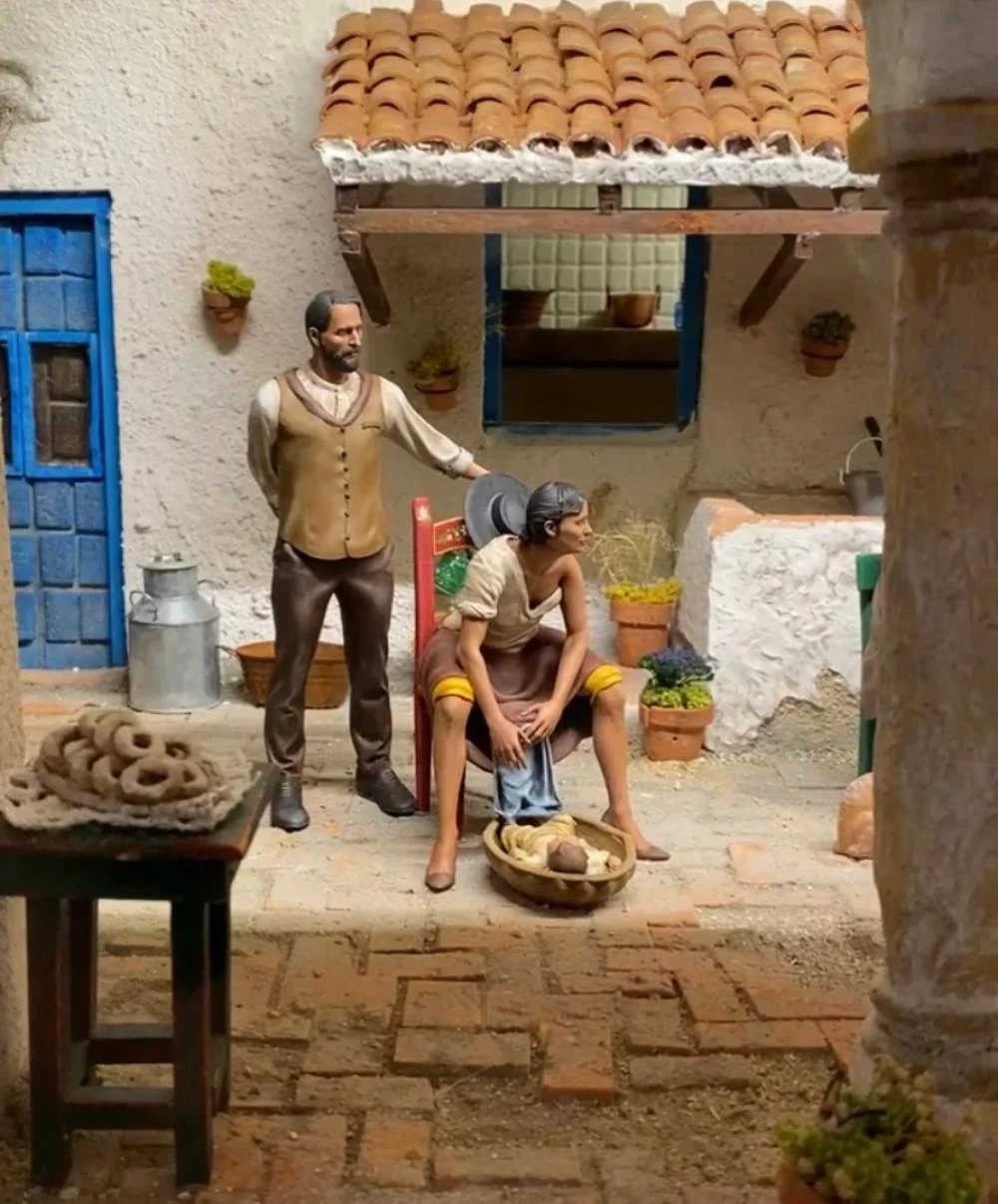
A Belén in the Palacio de Viana showing traditional scenes of everyday life in Córdoba (and perhaps a nod to local artist Julio Romero de Torres). Photo © Amy Macpherson
Each town or city will have multiple Belenes on display, and Cordoba has a route you can follow to see the best ones.
The Christmas lights and Belenes are on display until 6 January, the date of Epiphany, which marks the end of the Christmas season in Spain.
January and February: Carnival
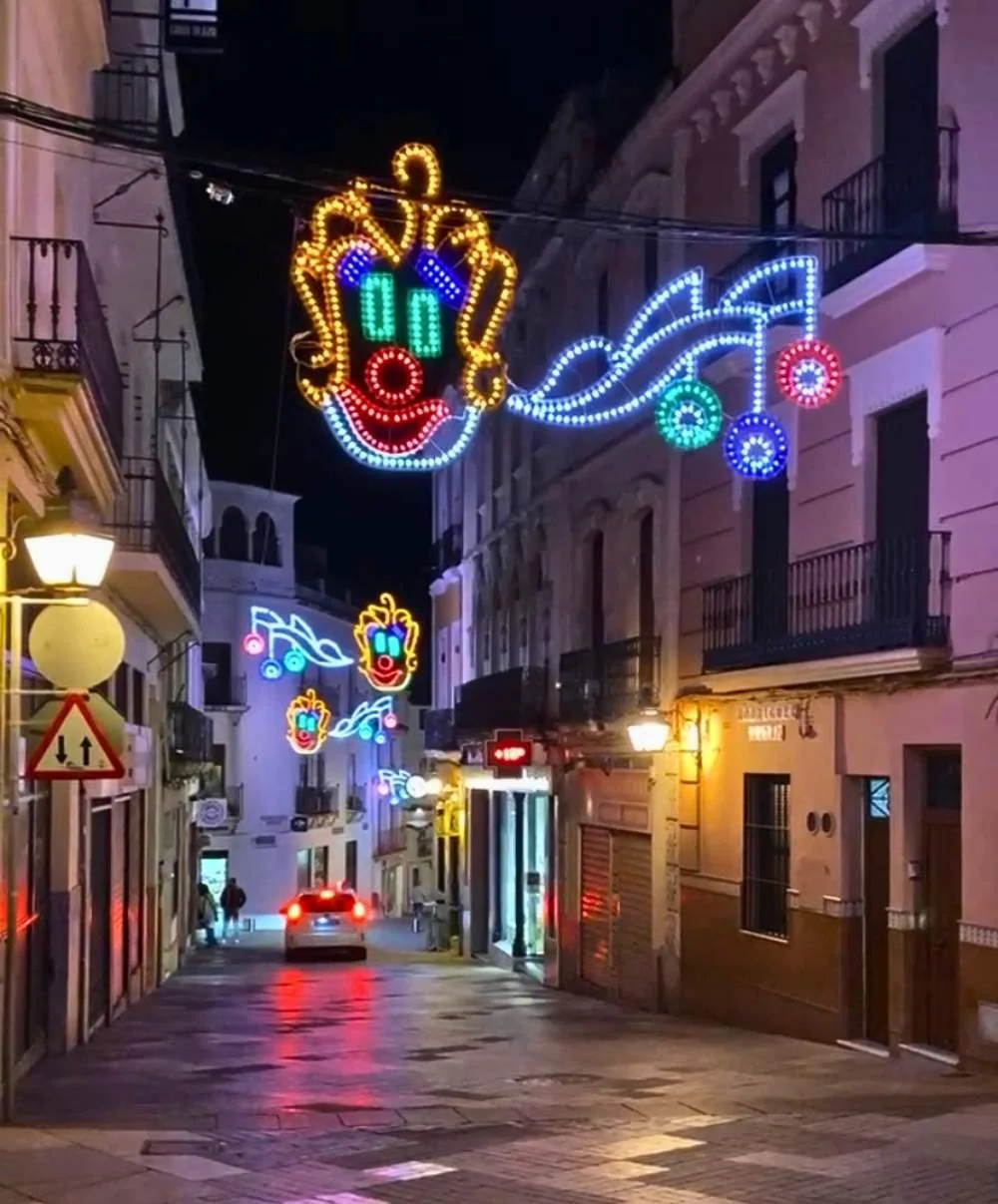
If you visit Córdoba in late winter, you may also catch the city’s lively Carnival celebrations, which take place in the weeks leading up to Lent.
Like many carnivals around the world, Córdoba’s carnival has roots in pre-Lenten traditions, but today it’s best known for its colourful costumes, music, and festive street atmosphere.
Throughout late January and February, chirigotas and comparsas - groups that perform humorous and satirical songs - entertain crowds in theatres, streets, and public squares across the city.
Celebrations are especially lively around San Agustín, San Lorenzo, and Plaza de la Corredera, where stages, music, food stalls, and street parties bring the historic centre to life before the festival ends with a large public parade.
The tentative dates for 2027 are January 25 to February 22..
March and April: First signs of spring and Semana Santa
These are also great months to visit Córdoba, though the weather can be a bit unsettled with spring showers. The big event taking place at this time of year is Semana Santa (Holy Week), the week leading up to Easter Sunday. The dates for this vary each year - in 2027, Semana Santa is March 20 to 28.
Throughout this week, around 30 processions take place through the city. I haven’t yet visited Córdoba during Semana Santa, but you can check out my guide to Semana Santa in Málaga to get an idea of what Holy Week typically looks like in cities throughout Andalucía.
It is a special and beautiful thing to witness, but if you’re visiting during this time, be aware that it will be more crowded than usual. There will be road closures, and it may be more difficult to get around the historic centre.
A final note on visiting in April: although the patios taking part in the May Patios Festival are not yet open to the public, some of them can still be visited year-round, especially if you take a guided tour. As they will almost be in full bloom in April, it can be a good way to get a “preview” of what’s to come.
Where to stay in Córdoba
Here are three places I have personally stayed in and recommend:
For luxury in the heart of the historic centre: The 5-star NH Collection Palacio.
For families and groups: The beautiful holiday home Casa Paliani (sleeps 8)
For digital nomads and solo travellers: Patio Vesubio, an apartment within a traditional patio house.
Plan the perfect visit to Córdoba's caliphal city, including how to see the spectacular Salón Rico - one of Medina Azahara's lesser-known gems.