Where to eat in Gran Canaria for authentic local cuisine
From tapas in a vineyard to local classics with a fine-dining twist, here are five gastronomic experiences to add to your Gran Canaria itinerary.
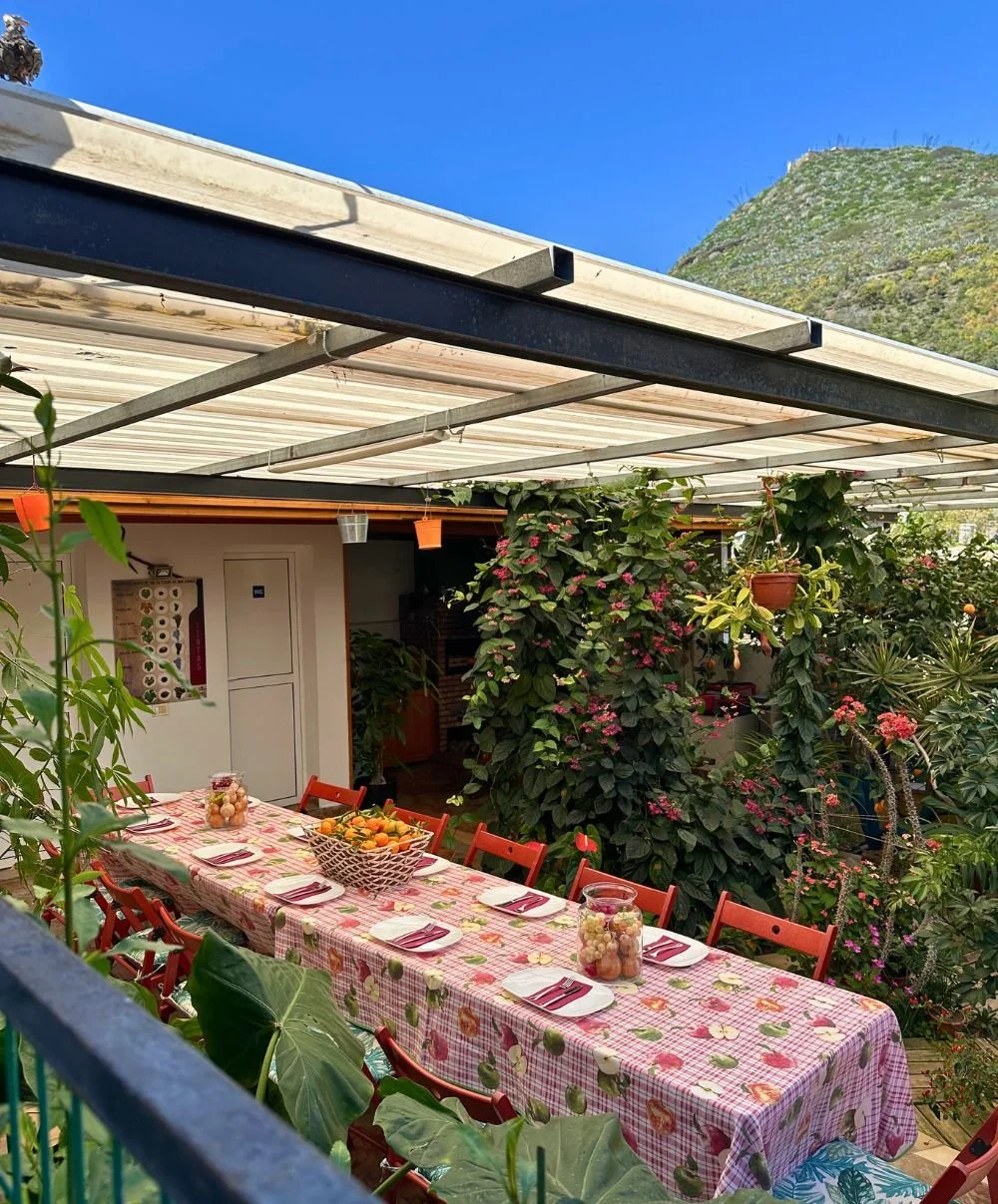
Lunch among the vines and exotic plants at Bodega Señorío de Cabrera
Gran Canaria’s food scene owes a lot to its climate. Or, to be more accurate, climates - because this Atlantic island in Spain’s Canary archipelago has several of them. Although it’s just 50km in diameter, it’s home to desert-like sand dunes, lush primordial forests, plantations of tropical fruit, volcanic peaks and arid lowlands studded with cactuses.
The island also has a proud tradition of artisan food production and ancestral farming practices such as transhumance - the seasonal movement of herds of livestock from one zone to another.
The result is a distinctive food culture with a strong sense of place. Here are five places that champion local dishes and ingredients, offering an authentic taste of Gran Canaria.
A farm-to-table feast at a family vineyard
📍 Bodega Seńorío de Cabrera, Telde
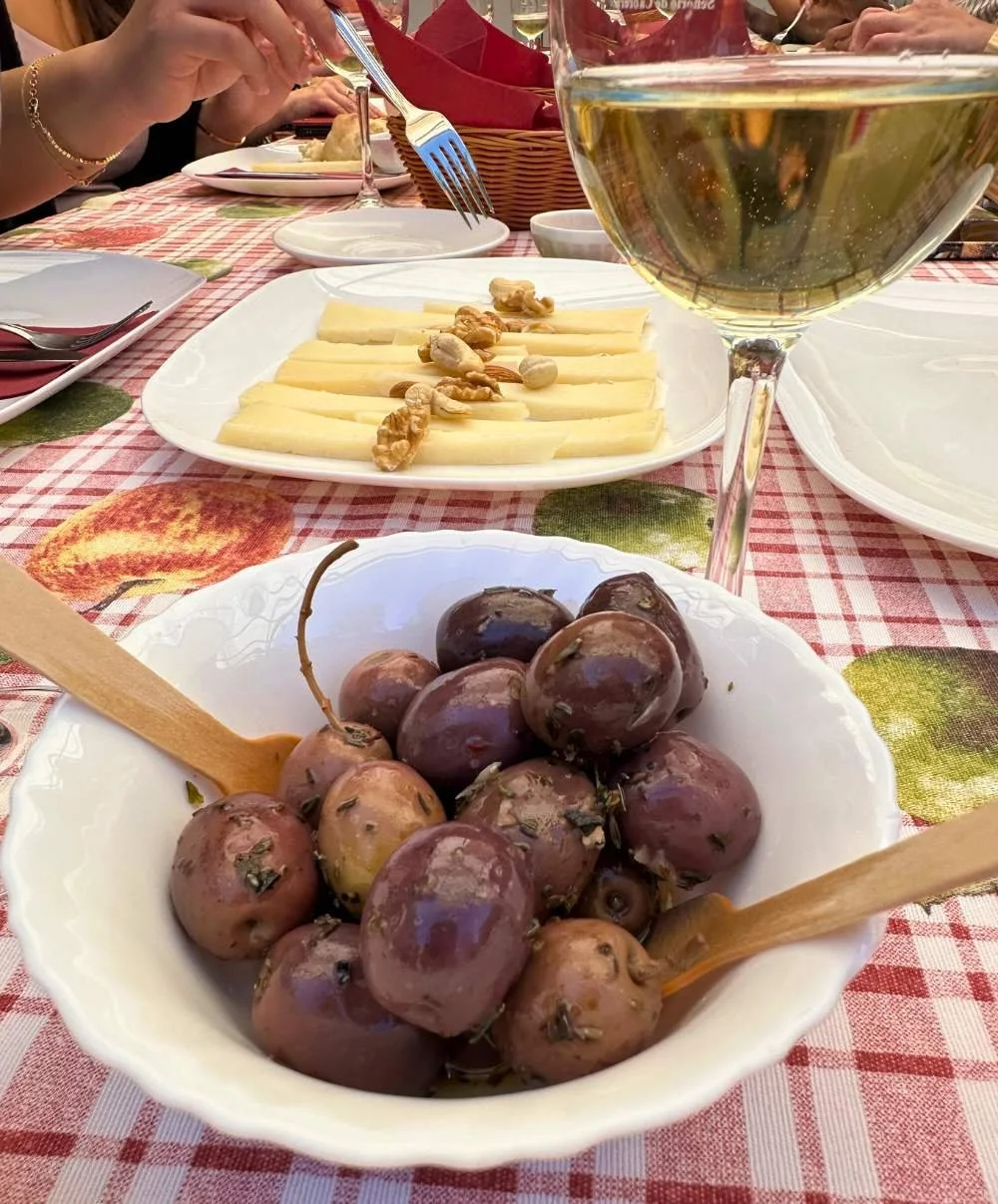
If you’re looking for the opposite of mass-market tourism, a visit to Bodega Señorío de Cabrera would be a strong contender. Everything about this family-run operation is small-scale and lovingly made by hand - from the wine itself, to the delicious tapas lunch that owners Agustín Cabrera and Felisa Vega serve as part of a vineyard tour and wine tasting.
Among the highlights were warm bread cooked in their outdoor oven, Felisa’s home-made mango preserve, croquetas and meatballs, and the coffee liqueur that we ended the meal with. Not only does Felisa make the liqueur herself, but the couple grow the coffee right here in their finca (estate).
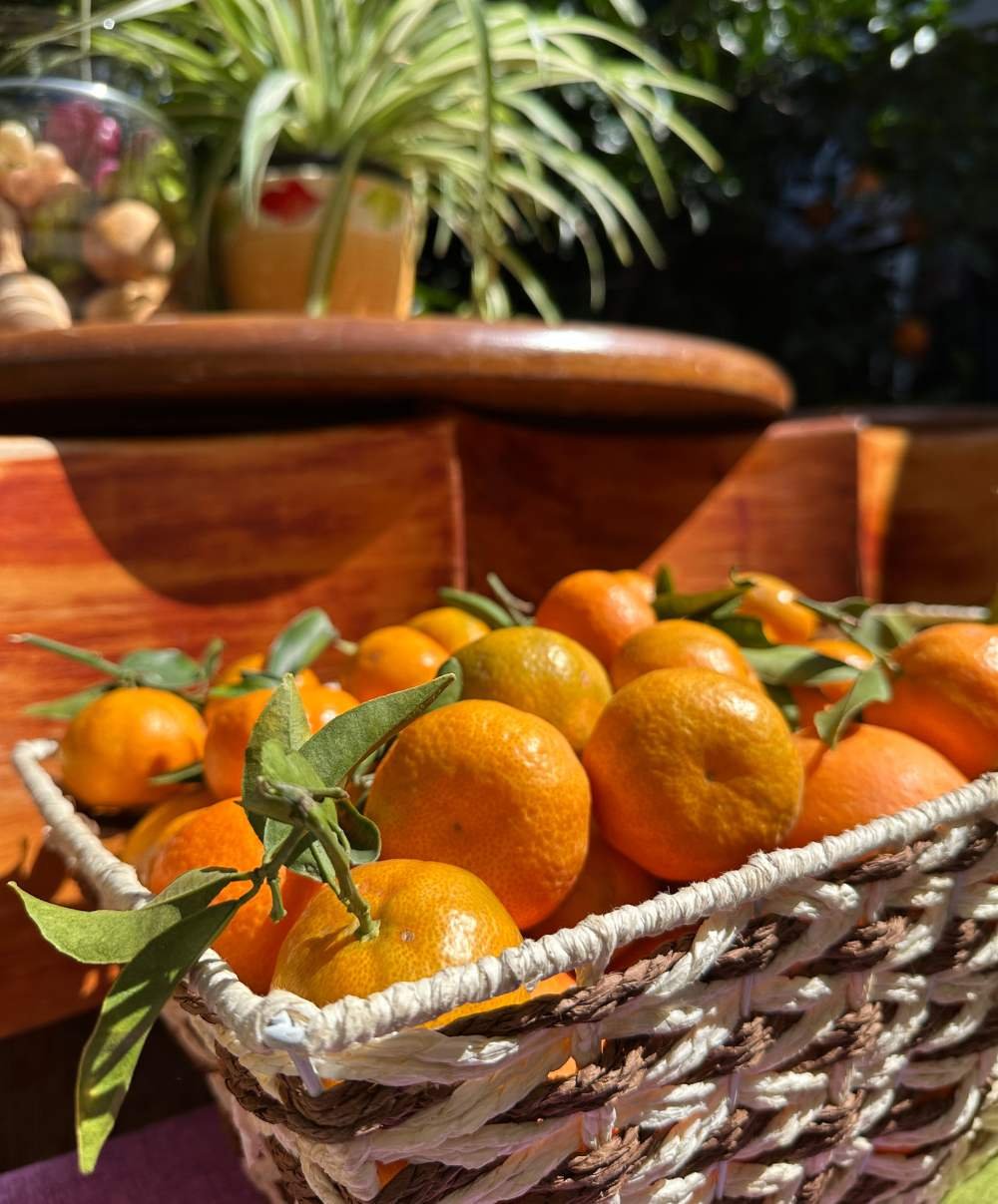
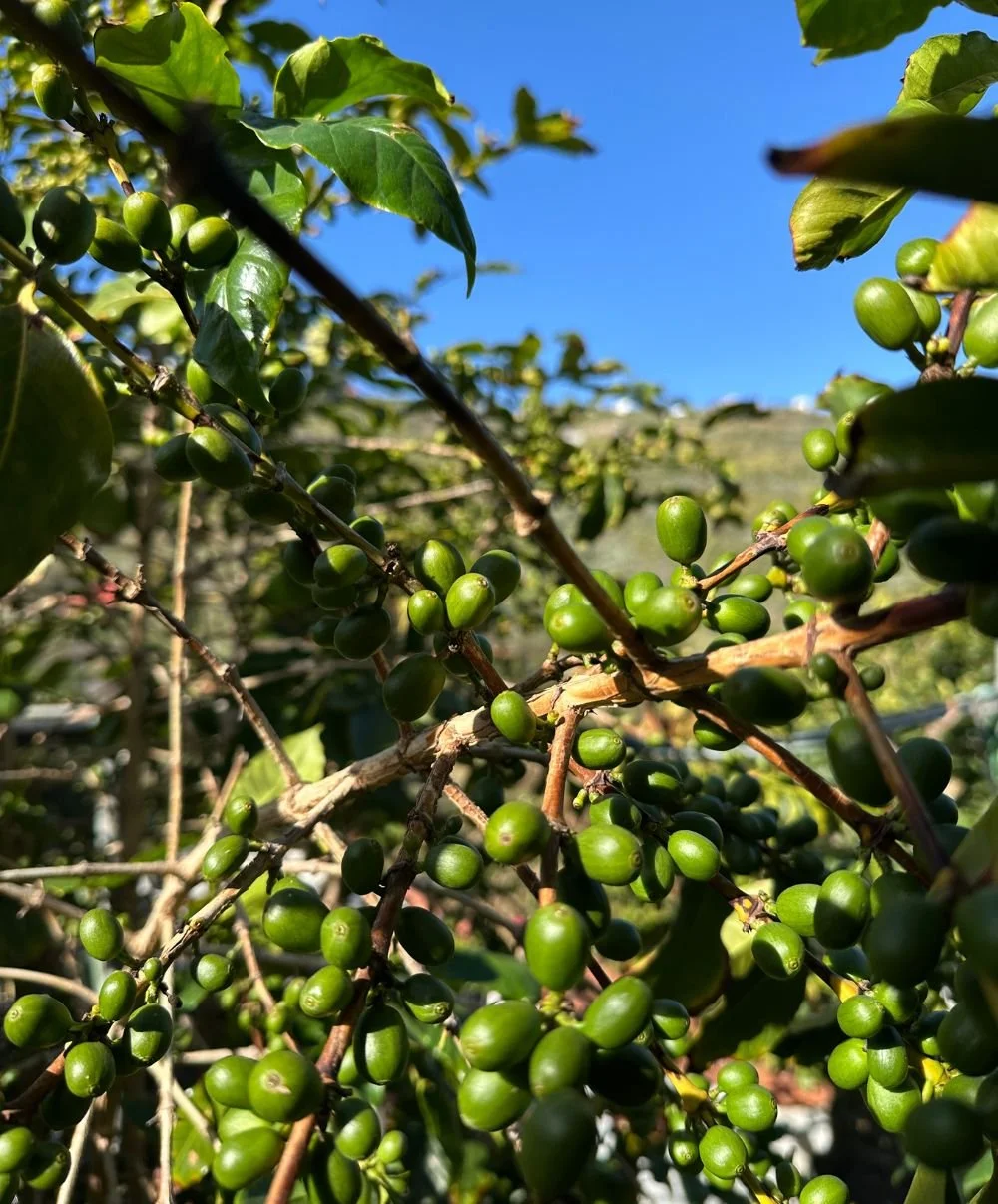
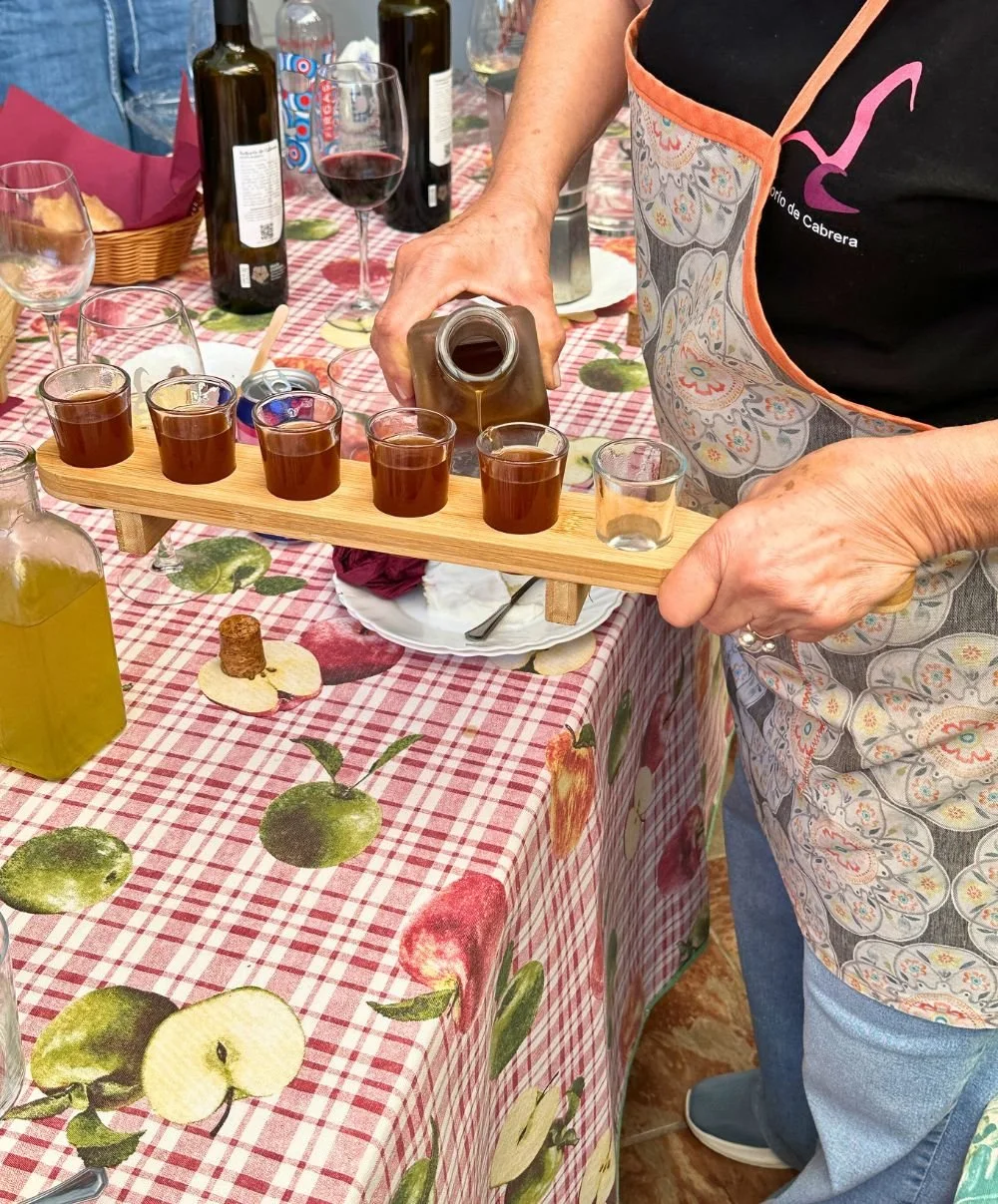
The vineyard’s setting is spectacular, clinging to the side of a hill in one of the deep ravines that radiate out from Gran Canaria’s mountainous centre. The family has transformed what was once a scrubby slope dotted with cactuses into a lush haven where oranges, avocados and other exotic flora thrive alongside their vines.
And the wines themselves? We sampled a crisp, flinty white (volcanic soils lend Canarian wines a noticeable minerality), a fruity rosado and an award-winning red - my favourite. They produce just 2,500 bottles each year, so paying a visit is one of the few ways to snap up a bottle.
We finished the afternoon with a tour of the winemaking facilities and a ride in the little mechanised cart the family use to harvest grapes from the slopes above the house.
How to book: Señorío de Cabrera offers visits on Friday, Saturday and Sunday lunch times, by appointment only. For contact details, see the Gran Canaria Wine Route website.
Hyper-local dishes with a fine dining twist
📍Restaurant La Colonial de Fontanales
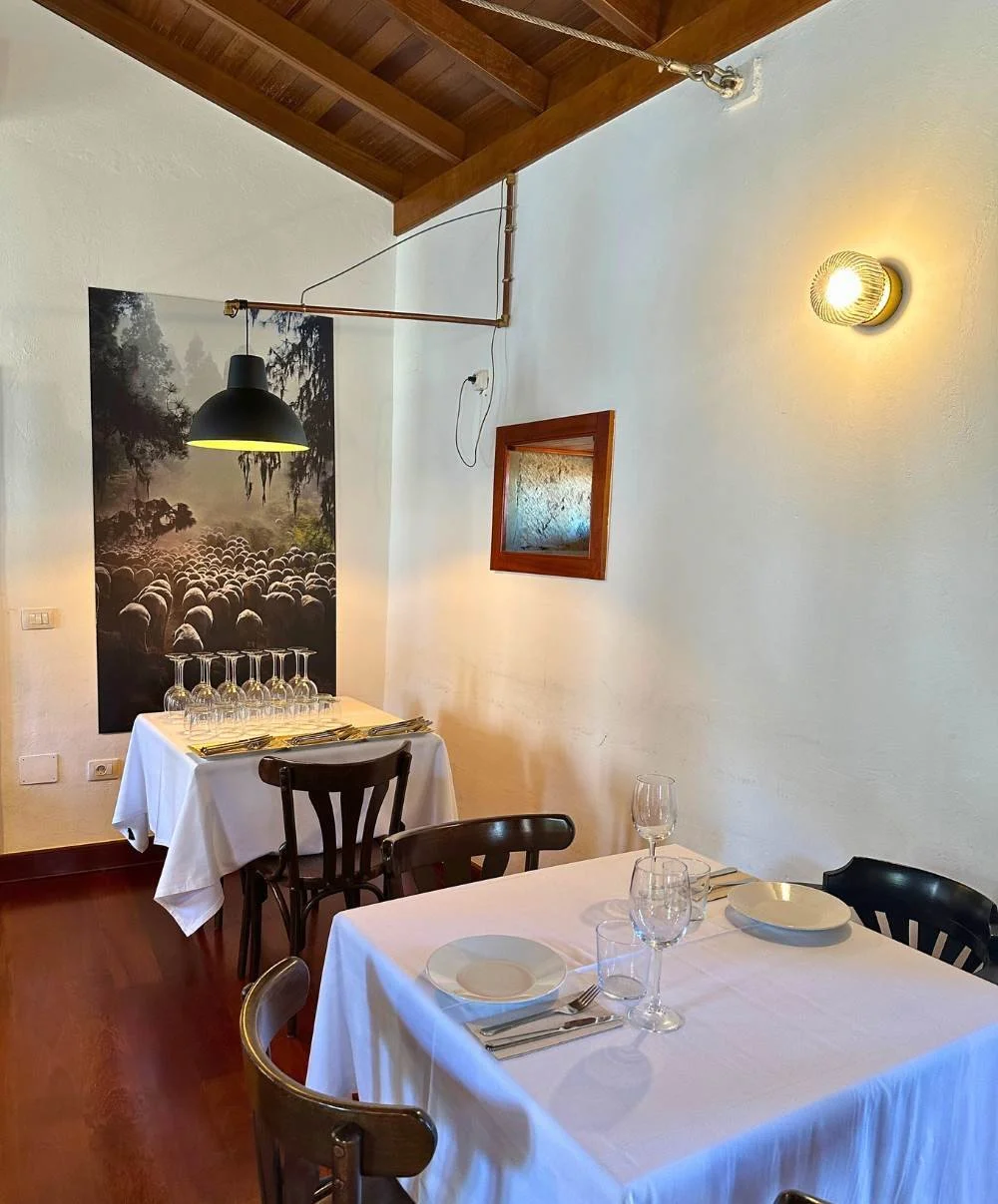
As its name suggests, La Colonial is located in a colonial-style manor house in the pretty village of Fontanales, part of the municipality of Moya. The arty black-and-white print of a flock of sheep ambling along a country road that takes pride of place in the restaurant’s dining room sets the scene for what’s to come.
Owners Marco Martel and Miguel Rabassó are great champions of local products, especially artisanal cow, sheep and goat cheeses made in Moya. Even if you’re not dining here, you can pop in to buy some from their well-stocked fridge.
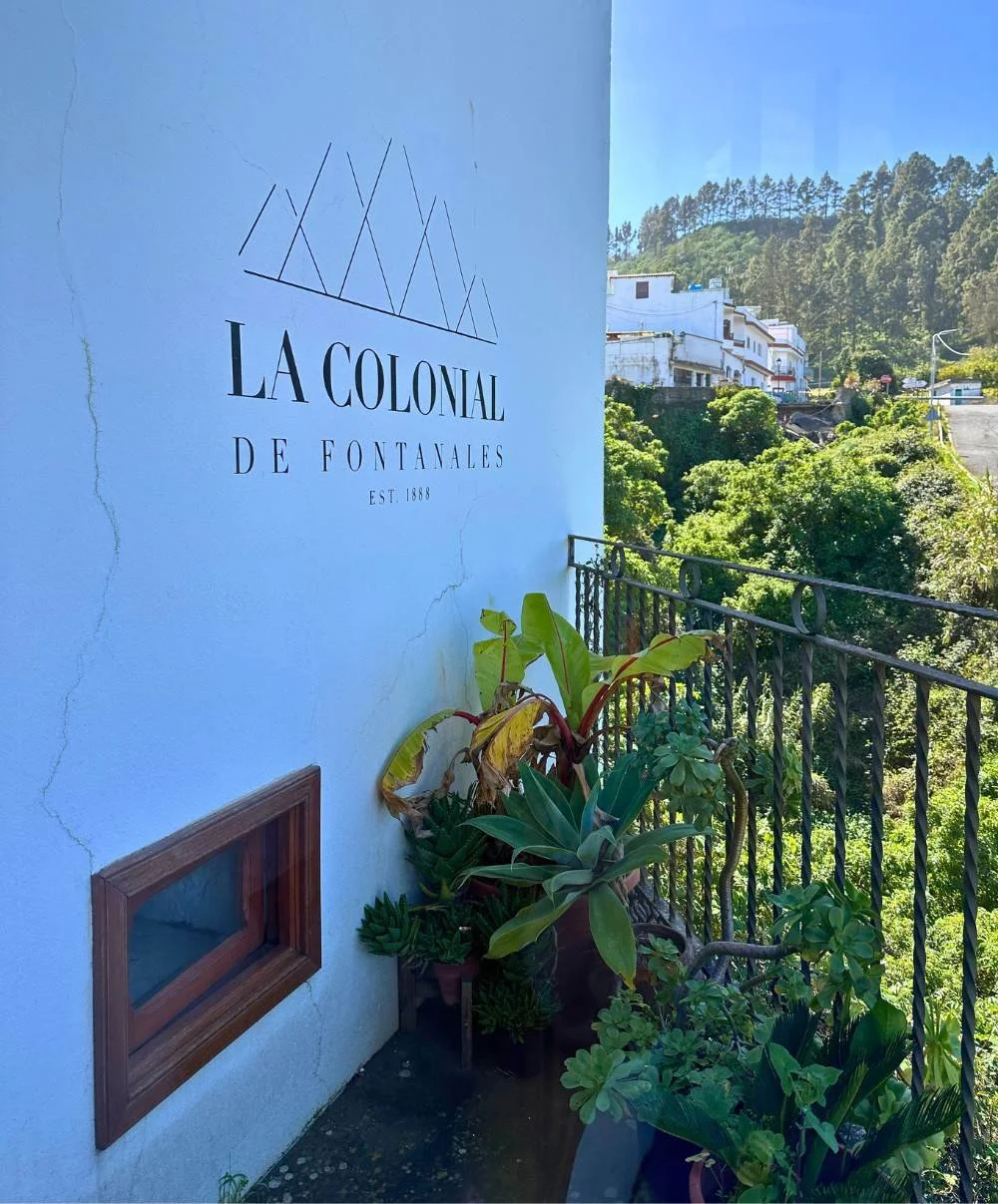
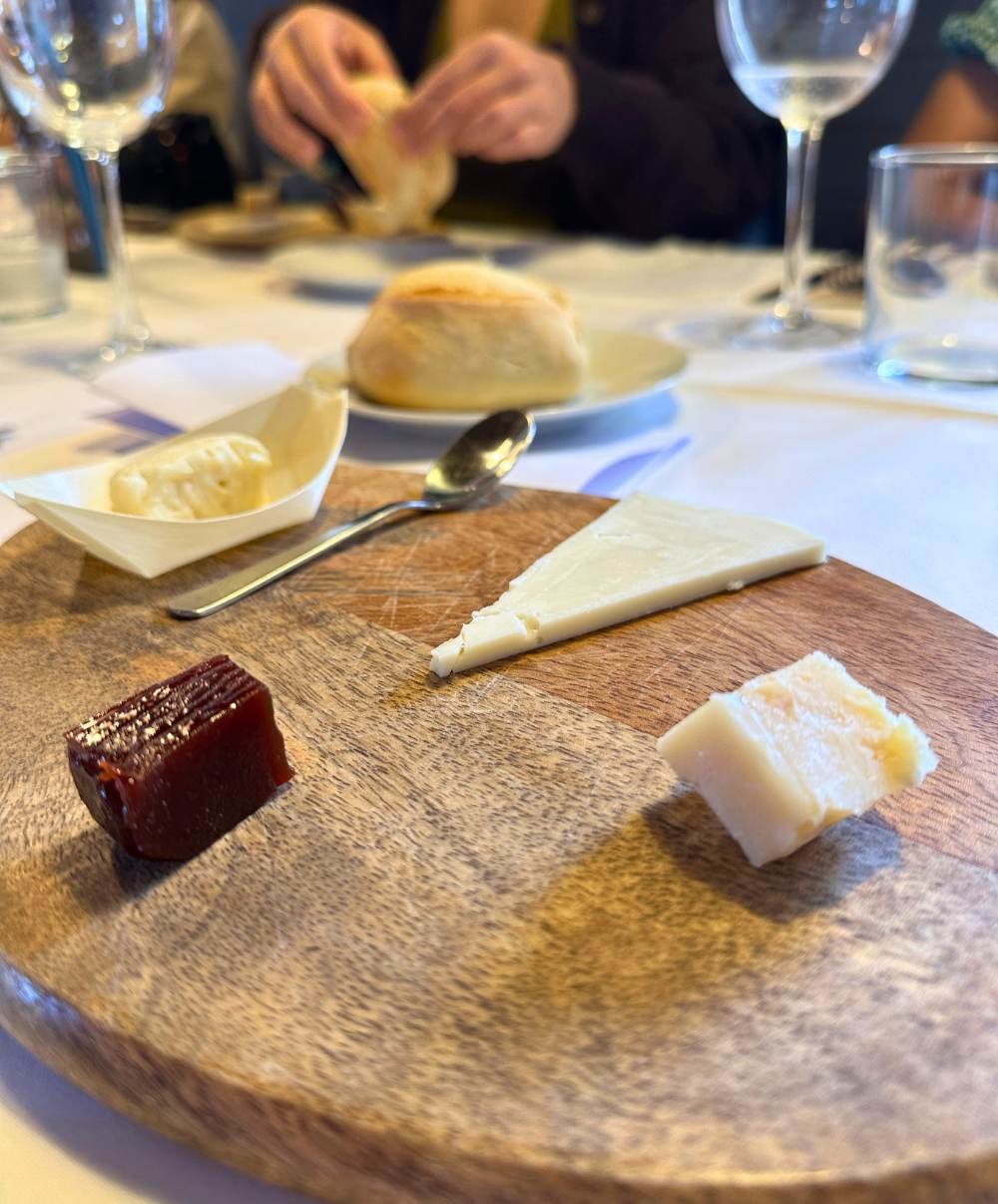
Moya is a wedge of Gran Canaria’s green north that stretches from the coast to the mountains, and the menu at La Colonial reflects this. We began with a selection of cheeses, including Flor de Guía - a vegetarian cheese made with rennet from thistle flowers and a minimum 60% raw sheep’s milk.
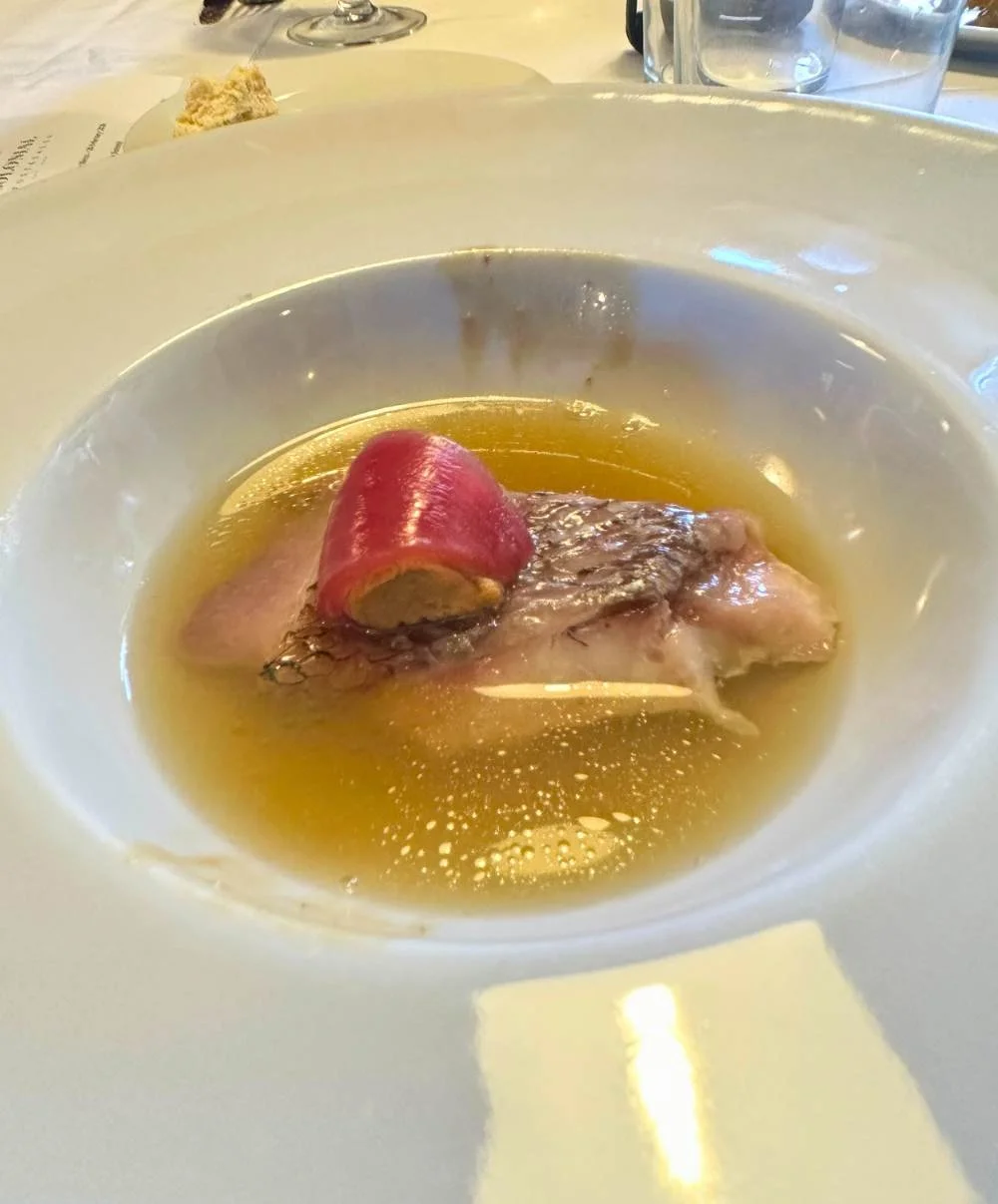
This was followed by watercress cream with roasted corn, a delicate fish soup, sweet leeks with roasted mojo sauce, carne fiesta (a Canarian braised pork dish) with forest mushrooms, and a dreamy lemon dessert inspired by clouds over the village.
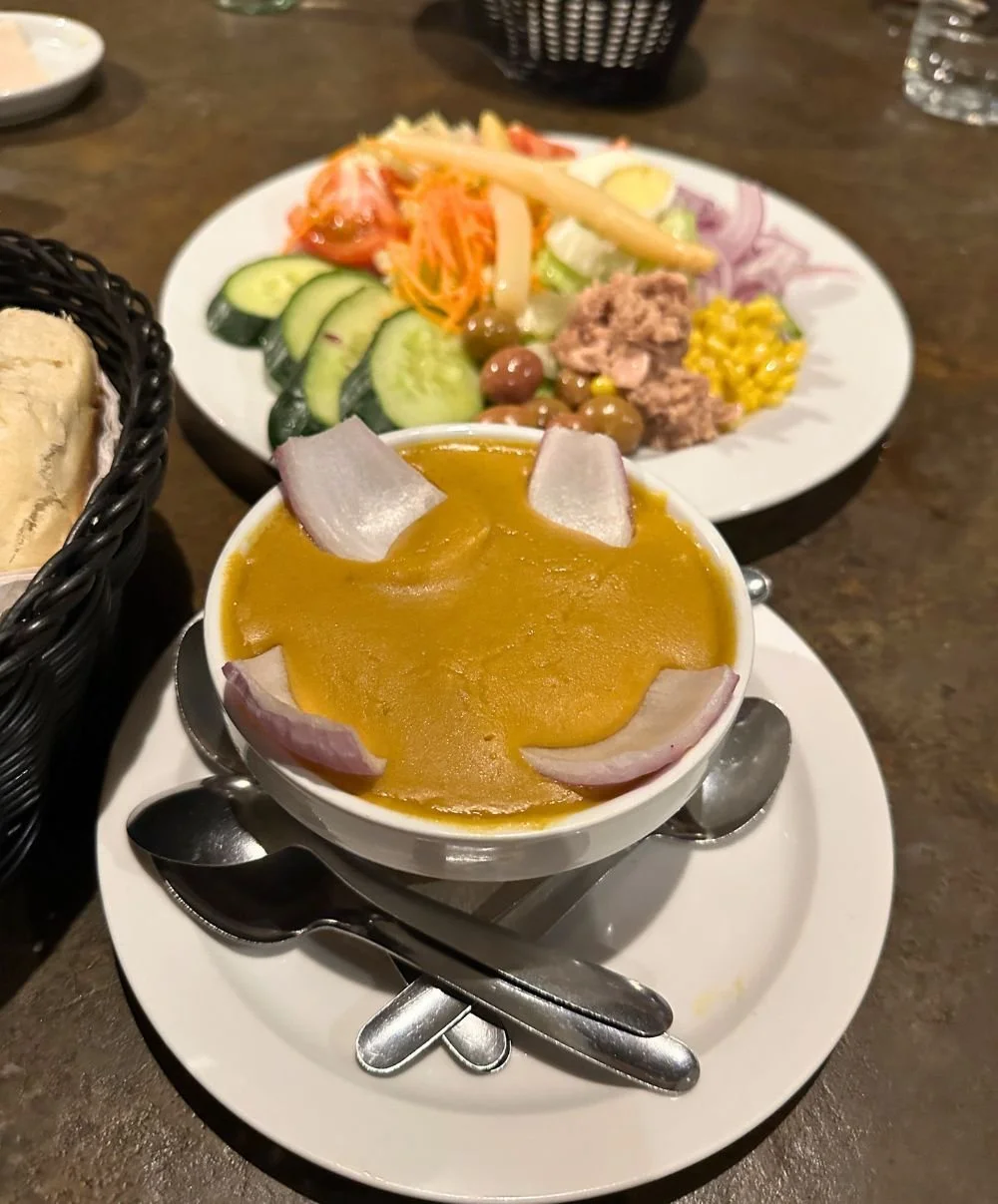
Even the gofio they use - a flour made from roasted grains that’s ubiquitous across the Canary Islands - is produced specifically in Moya. At La Colonial, one of the ways it’s used is as a soup garnish, transformed into a smooth savoury paste and wrapped in a petal-like slice of red onion.
How to book: Reserve a table by calling them or via WhatsApp.
Dining in a hillside cave restaurant
📍Bar-Restaurant Tagoror, Guayadeque Ravine
The Barranco de Guayadeque (Guayadeque Ravine) in the southeast of Gran Canaria is a peaceful green valley with cave houses that date back to the island’s pre-Hispanic past. Many of the houses are still in use today, adapted for modern life with electricity and running water, and some have been turned into rural accommodation or restaurants popular with locals and visitors alike.
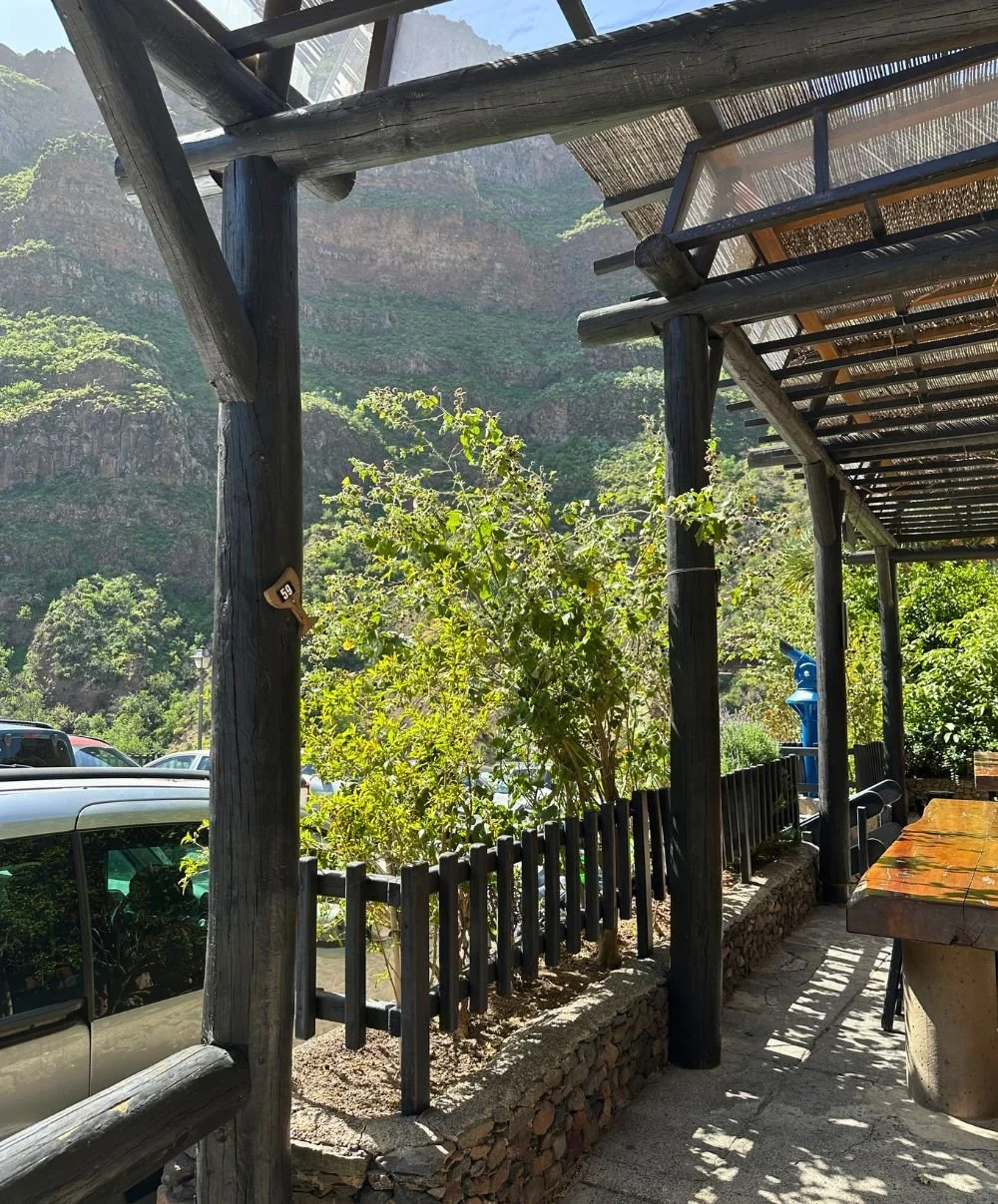
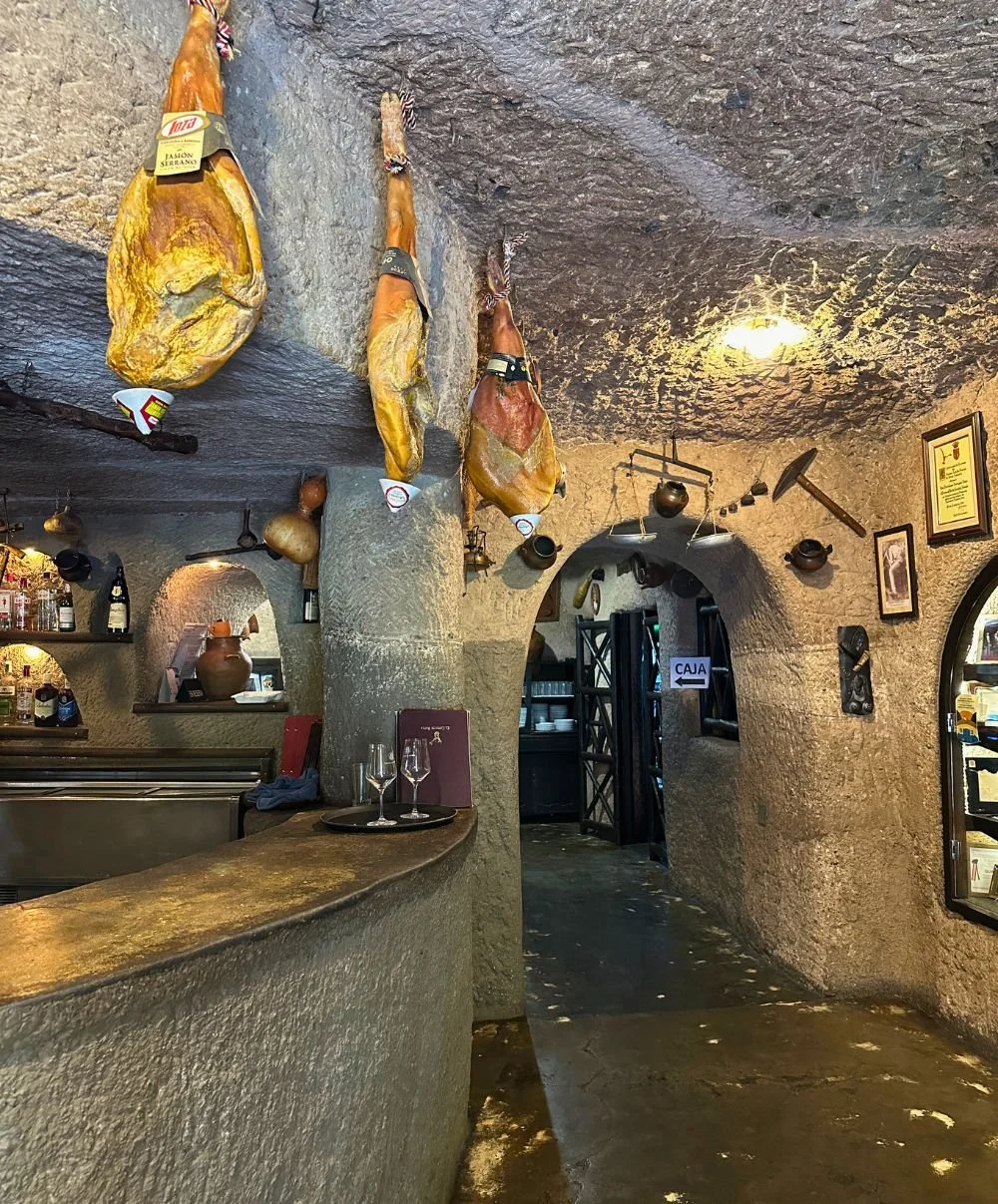
Tagoror is one of the best-known examples, a sprawling complex of little dining spaces that tunnel into the mountainside behind the cave’s entrance. It’s a favourite local spot for Sunday lunch, and they serve a variety of hearty traditional dishes like gofio escaldado, ropa vieja and papas arrugadas. (For more on all these, head to my article on local foods to try in Gran Canaria.)
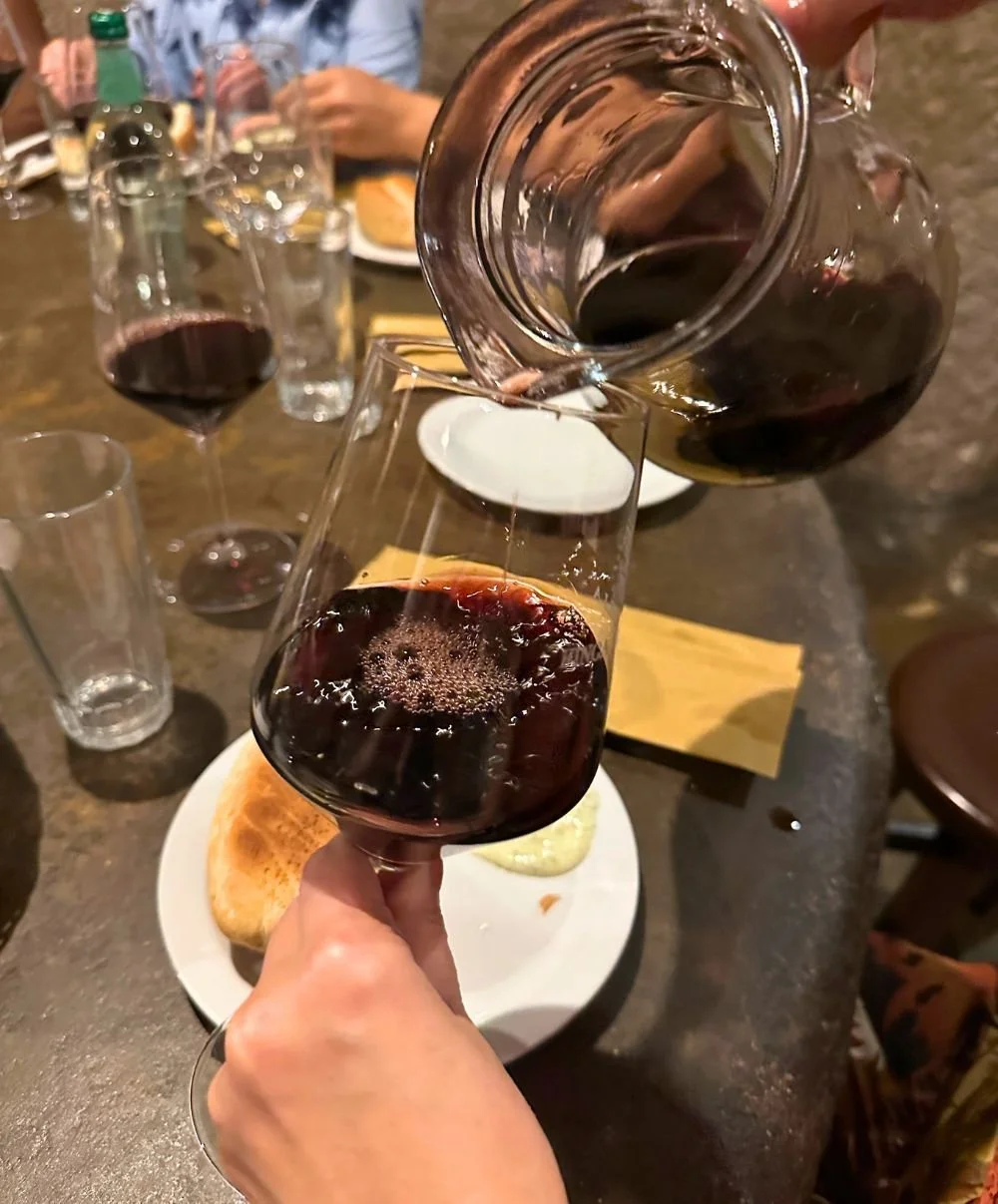
I was quite taken with the sweet mixed house wine, which is served by the jug and goes very well with the wedges of fried local cheese.
How to book: Reserve a table via their website.
Brunch under a historic windmill
📍 El Molino Quemado, Mogán
Brunch isn’t a typical meal in Gran Canaria (or Spain generally) and tends to crop up as an option in areas with a high proportion of overseas visitors and residents. That said, El Molino Quemado serves a brunch with a distinctly Canarian twist.
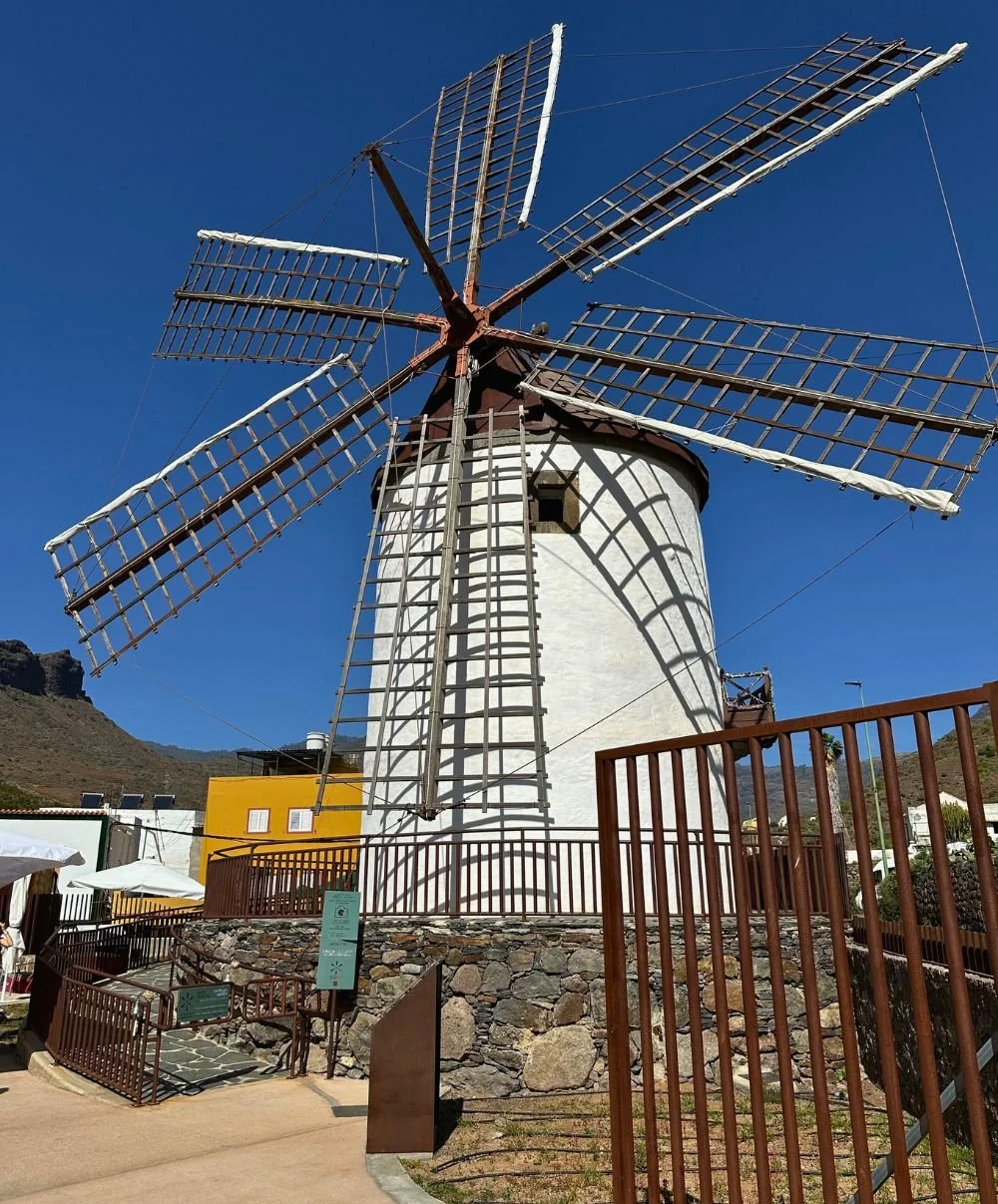
Located 10 minutes’ drive from the bougainvillea-strewn Puerto de Mogán, one of the tourist meccas of the southern coast, the Molino Quemado (which translates as burnt windmill) is a heritage site with an adjoining cafe and shop.
The windmill of its name was built in the 19th century as a grain mill, so it’s appropriate that their plentiful brunch platters come with an enticing selection of baked goods.
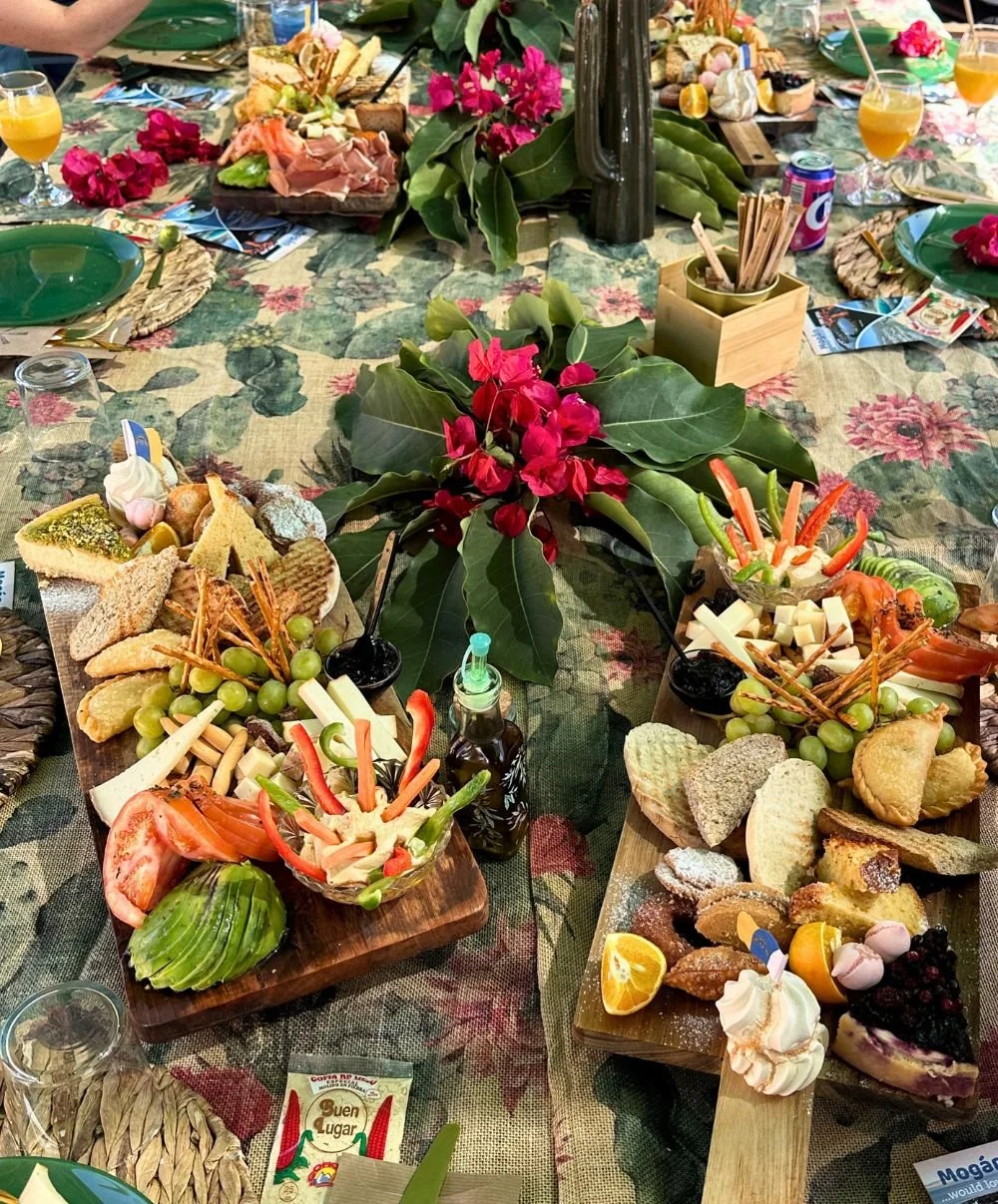
Here, too, there’s a focus on artisanal local products, such as the sea salt with ghost chilli made just down the road by gourmet spice producer PepeOil and spreadable soft chorizo from the town of Teror. Naturally, the fresh produce is all local, including that brunch staple - sliced avocado - with avocados from Mogán itself.
How to book: Brunch is €22 pp (minimum order of two people) which includes fresh mango juice and entry to the historic windmill. It’s served Tuesday-Sunday from 9am-5pm and must be reserved in advance by calling +34 666 96 30 82. Gluten-free options are available for a supplement of €3. For more information (opening times etc may change), see their Instagram.
A coffee stop with views to die for
📍 Parador Cruz de Tejeda
Although I stopped here for a snack rather than a full meal, I’m including the Parador Hotel of Cruz de Tejeda as it has one of the most spectacular restaurant views on the island.
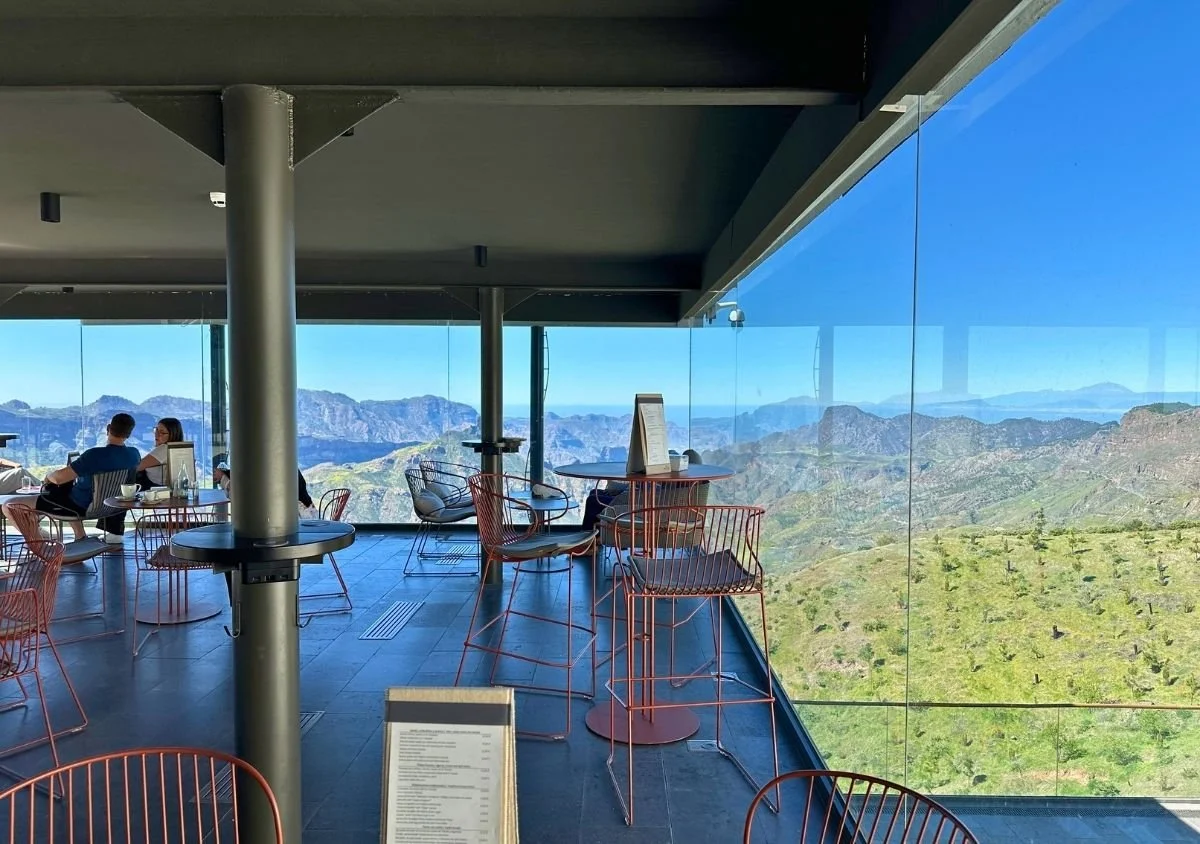
The Parador of Cruz de Tejeda, with views as far as neighbouring Tenerife (Mt Teide is visible on the right)
Cruz de Tejeda is a historic mountain crossroads close to the geographic heart of Gran Canaria, and also one of its highest points - the hotel is 1560m above sea level. Built in the 1930s as a hostel for travellers through the mountains, it’s now part of the state-owned Parador chain.
Like all Parador restaurants, the menu here is heavily based on regional cuisine, and even includes almonds grown in the village of Tejeda in its bienmesabe, a traditional Canarian dessert.
The café-bar has floor-to-ceiling windows that look out over the pine-covered volcanic landscape of the Caldera de Tejeda, and iconic rock formations like Roque Nublo and Roque Bentayga. There’s also an outdoor terrace to soak up some sun along with the views.
I travelled to Gran Canaria on a press trip hosted by Turismo de Gran Canaria. There was no obligation to post, and all opinions are my own.