Gran Canaria is far more than a haven for winter sunseekers. Here are 10 things to do for fans of history, culture and the outdoors.
This post may contain affiliate links, which means I may earn a small commission if you book or buy through them, at no extra cost to you. Thanks for your support!
Spain’s island of Gran Canaria is often called a continent in miniature - but many visitors don’t make it beyond the resorts of the southern coast, especially in the high season of January and February. While the perpetual spring of the sheltered south has an undeniable appeal, there’s so much else waiting beyond the beach.
The island has a surreal beauty thanks to its volcanic landscapes and distinct microclimates. Along with pine-covered mountain peaks, you’ll find green valleys where unique grape varieties and tropical fruits thrive in terraced gardens, colourful villages, and archaeological sites that tell the story of Gran Canaria’s pre-Hispanic past.
Here are 10 ideas if you’re looking for more than a “fly and flop” holiday or want to combine beach time with seeing what else this spectacular Atlantic island has to offer.
Explore Vegueta’s colourful streets
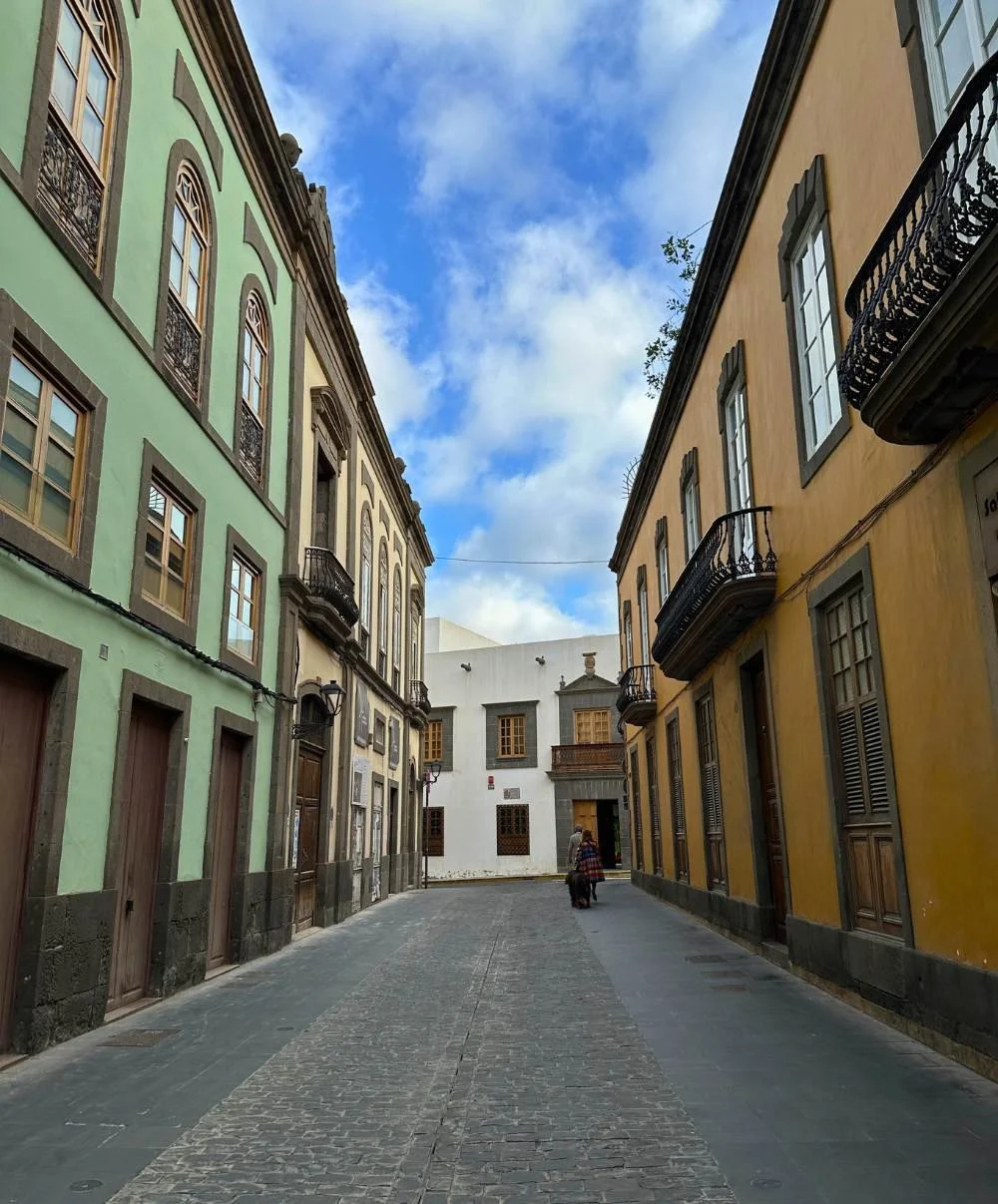
Vegueta is the historic quarter of Las Palmas de Gran Canaria, the island’s capital. Wandering through its cobbled streets, you’ll soon get a sense of the architectural style typical of Gran Canaria - a striking contrast between brightly-painted façades and dark volcanic stone.
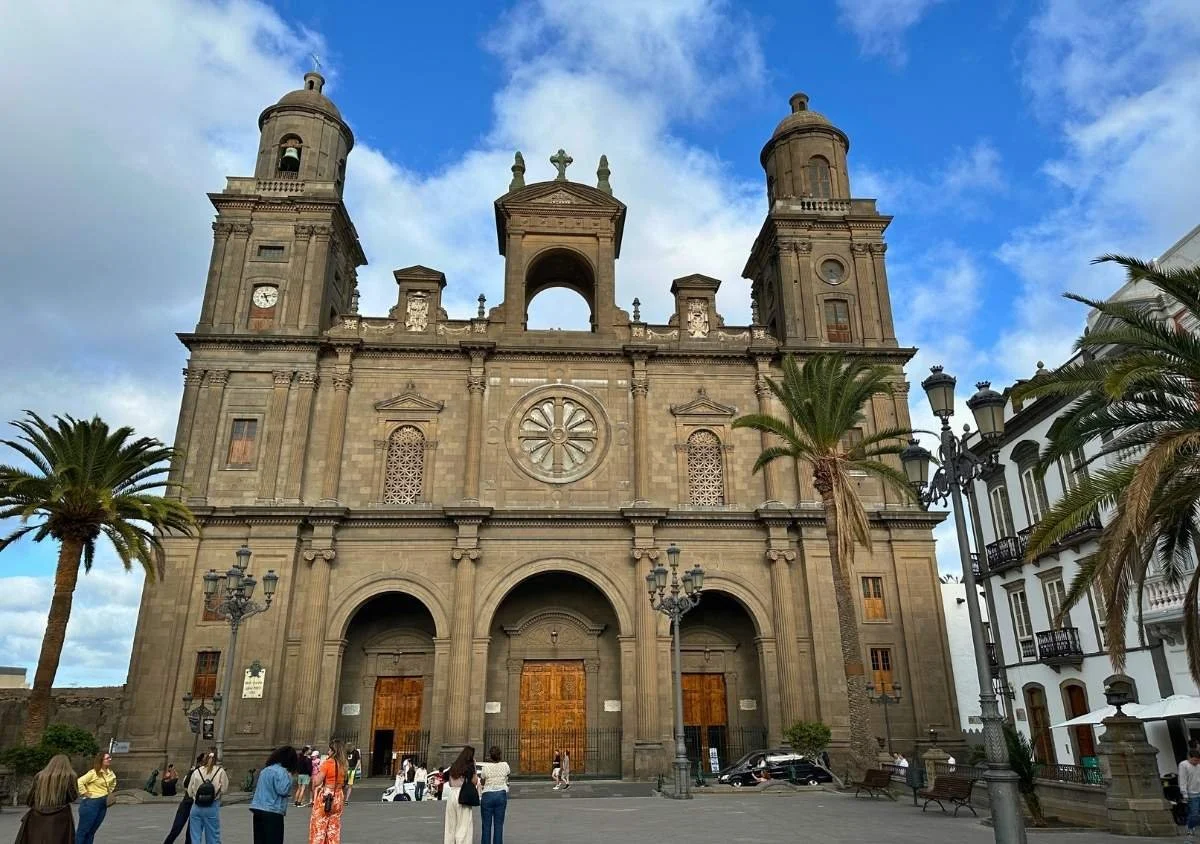
The Cathedral of Santa Ana in Las Palmas de Gran Canaria
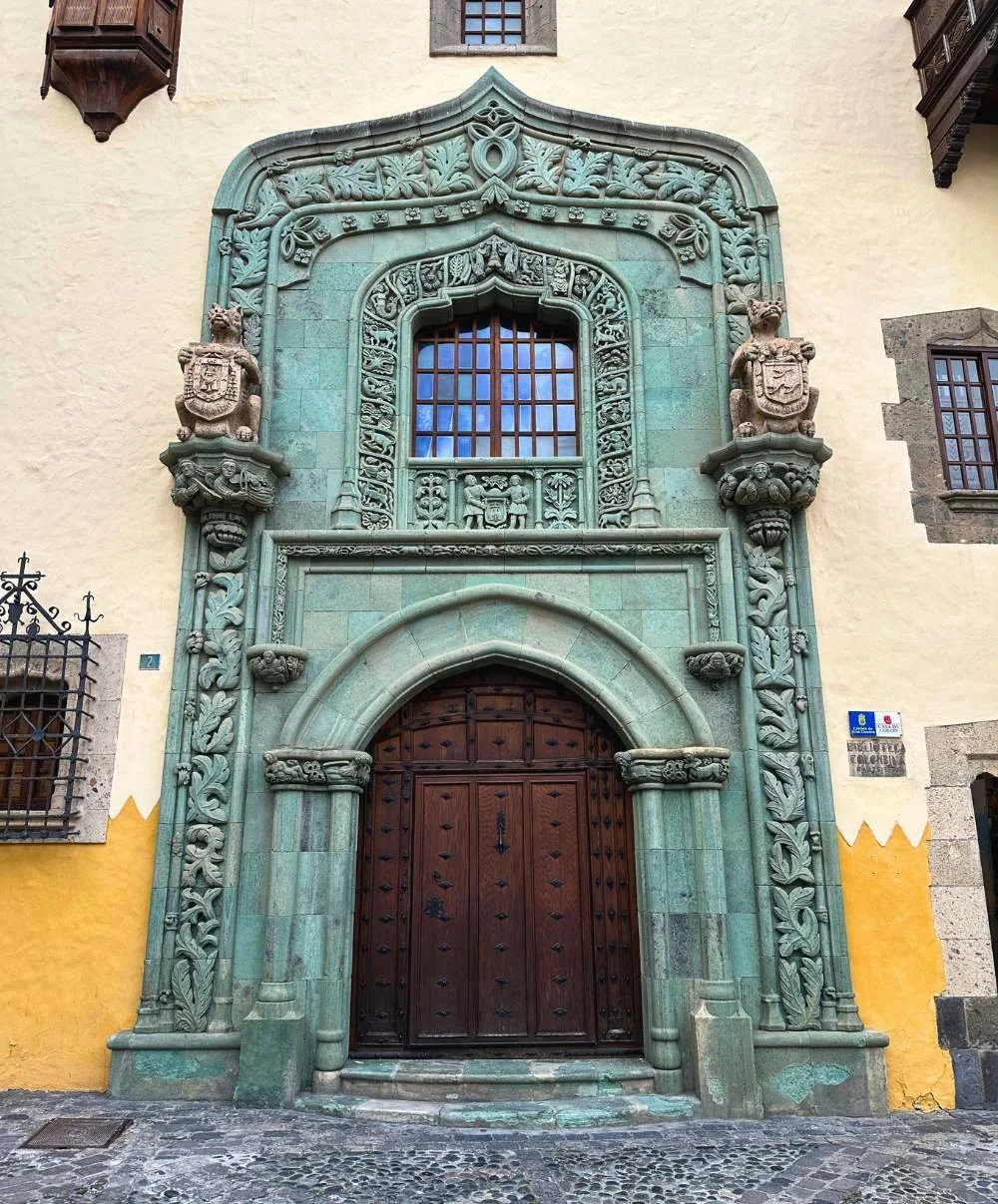
Must-sees include the palm-tree-lined Plaza de Santa Ana, overlooked by the cathedral of the same name, and colonial mansions such as the Casa de Colon (Columbus House, shown below). This is the former governor’s residence where Christopher Columbus stayed on his journeys from Spain to the Americas. It’s now a museum dedicated to the history of the Canary Islands and the age of transatlantic exploration.
Tour Gran Canaria’s wine route
The island’s Ruta del Vino is the first officially designated wine route outside mainland Spain, a nod to its long winemaking history and unique characteristics. As their slogan goes, “We make wine and bottle landscapes”.
Along with its volcanic terroir and sunny climate, Gran Canaria’s wine industry has another distinction: its vines still grow on their original rootstocks, having escaped the 19th-century phylloxera blight that brought Europe’s wine industry to its knees. In mainland Spain, the solution was to graft surviving vines with American imports – a workaround the Canary Islands never needed.
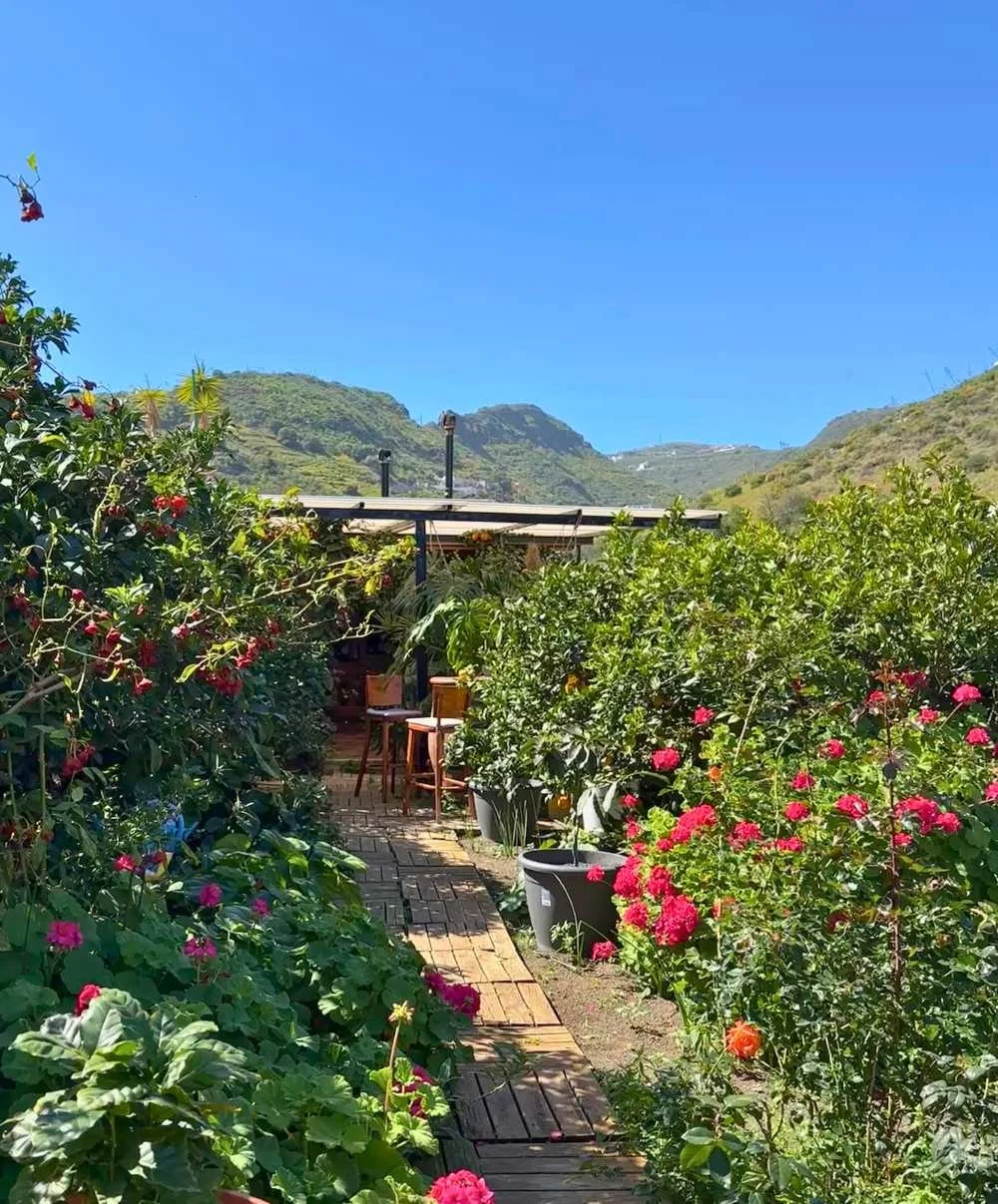
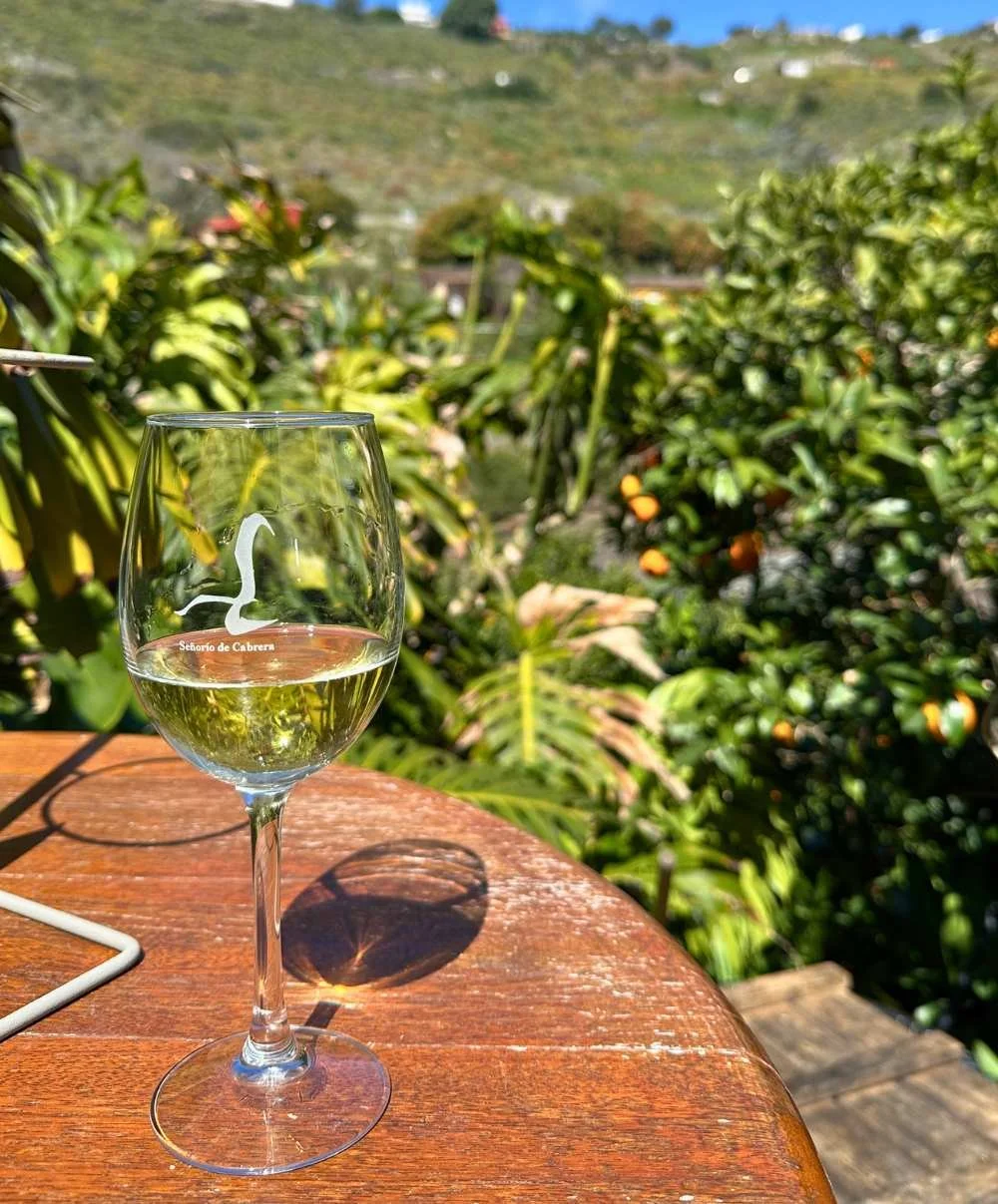
The wine route is made up of over 50 wineries, shops and related businesses, and one of the best ways to enjoy both the wine and those aforementioned landscapes is to visit a vineyard like Bodega Señorío de Cabrera (pictured above), where you can sip wine and enjoy tapas under the vines while surrounded by tropical flora. For more on this gorgeous spot, see my guide where to eat in Gran Canaria.
Visit Firgas, the town of water
If you’re road tripping around the north of Gran Canaria, make a pit stop in the little town of Firgas to breathe in the fresh mountain air and admire its “waterfall street” - a 30-metre cascading fountain that flows down a series of steps in the town centre.
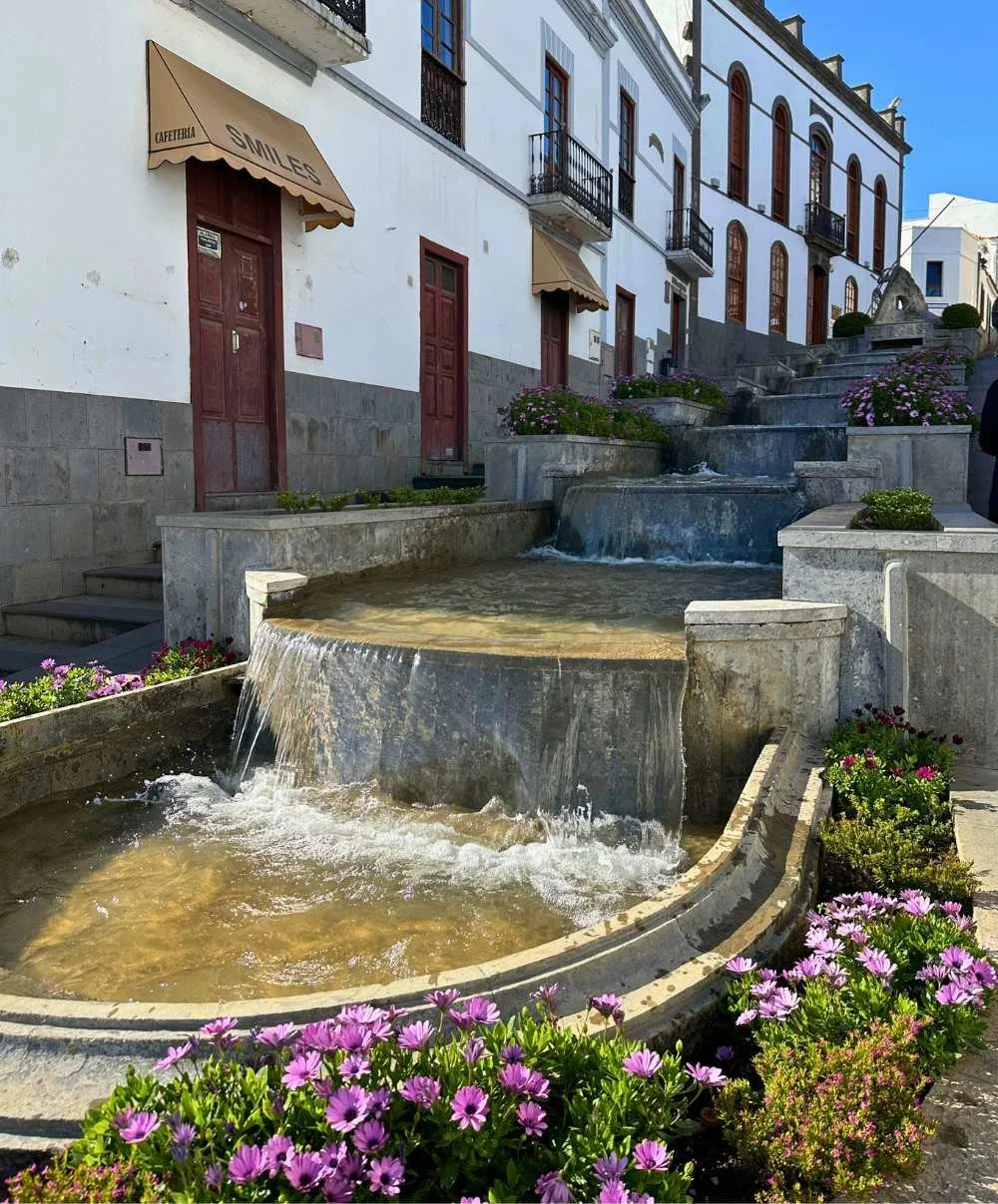
The cascading “waterfall street” of Firgas
To the right of the fountain you’ll find a series of tiled benches and coats of arms that represent the 22 municipalities of Gran Canaria, and a little higher up, another series of mosaics and relief sculptures showing each of the islands in the Canarian archipelago.
See cave paintings up close
The northern town of Gáldar is a great place to visit to understand Gran Canaria’s past, as it was the capital of the island during pre-Hispanic times and is home to one of its most important archaeological sites.
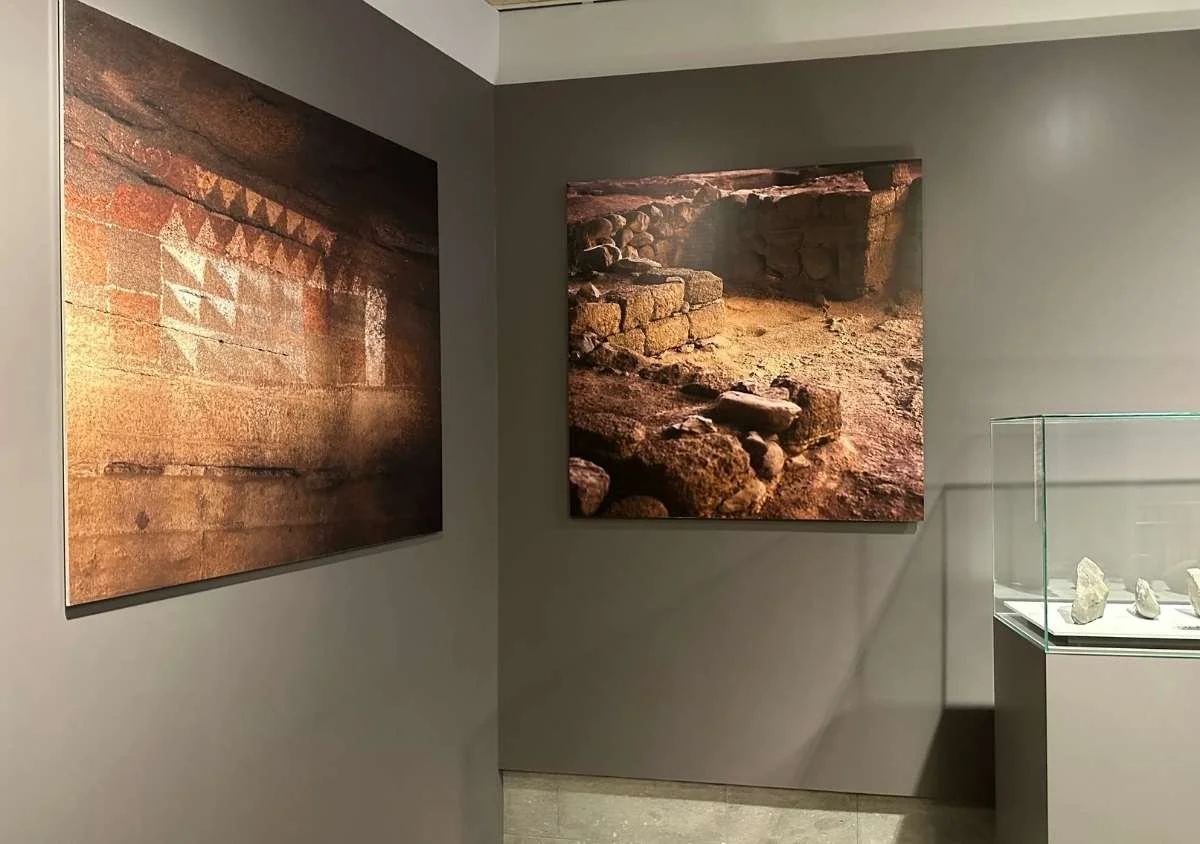
The Cueva Pintada museum. Photos aren’t allowed inside the painted cave itself - the photo on the left shows the typical geometric decorations
Before Spanish colonisation in the 15th century, the island was inhabited by Amazigh (Berber) tribespeople originally from nearby North Africa. Exactly how and when they came to the island remains something of a mystery, but they lived here for at least a thousand years before European conquest.
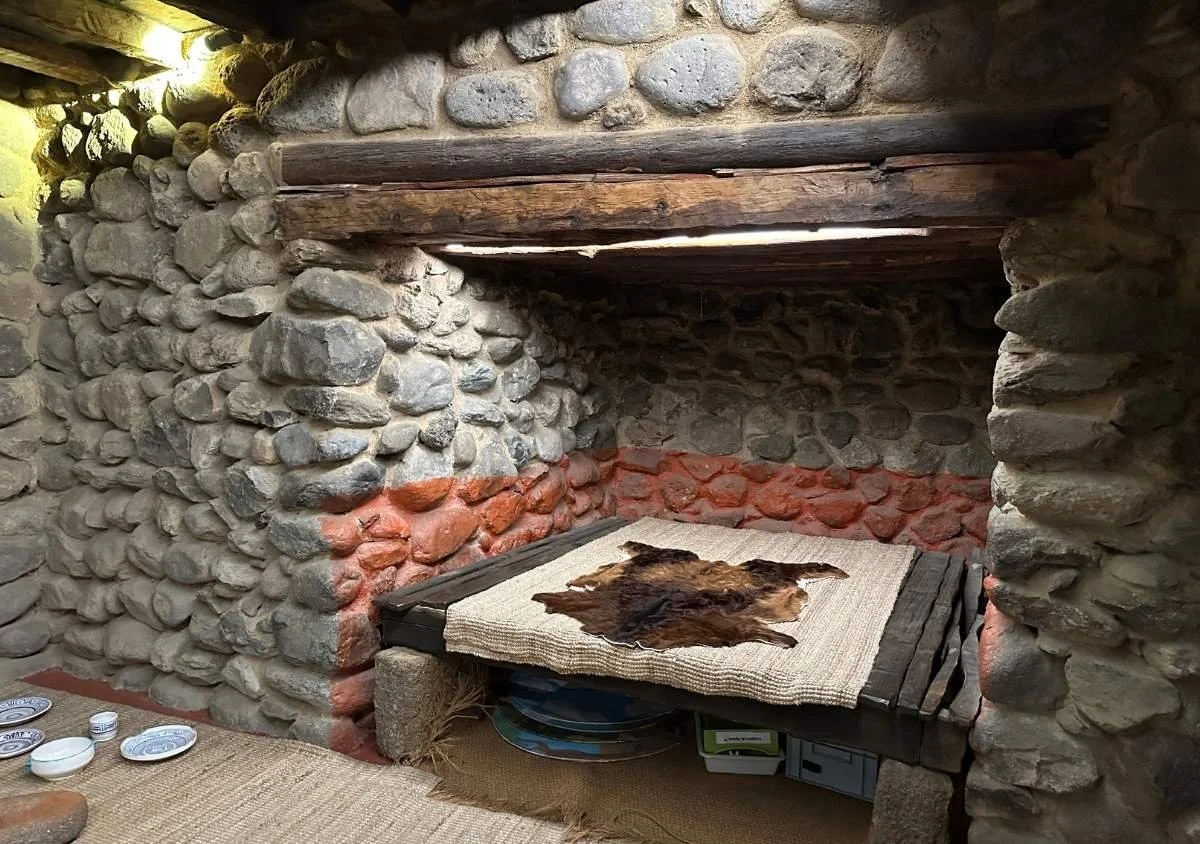
Reconstruction of an indigenous cave dwelling
Gáldar’s Cueva Pintada (Painted Cave) museum and archaeological park tells their story, through audio-visual projections, a collection of artefacts and the chance to enter the painted cave itself, which is decorated with geometric patterns in warm earth tones. Although the cave is small, the wider site is expansive and includes reconstructions of stone shelters as well as archaeological remains.
Walk through a primordial forest
The north of Gran Canaria is far greener than the south, thanks to moisture carried by the trade winds that rarely make it past the island’s mountainous interior. Although much less densely forested than it was originally, there are still pockets of old growth trees such as the nature reserve Los Tilos de Moya.
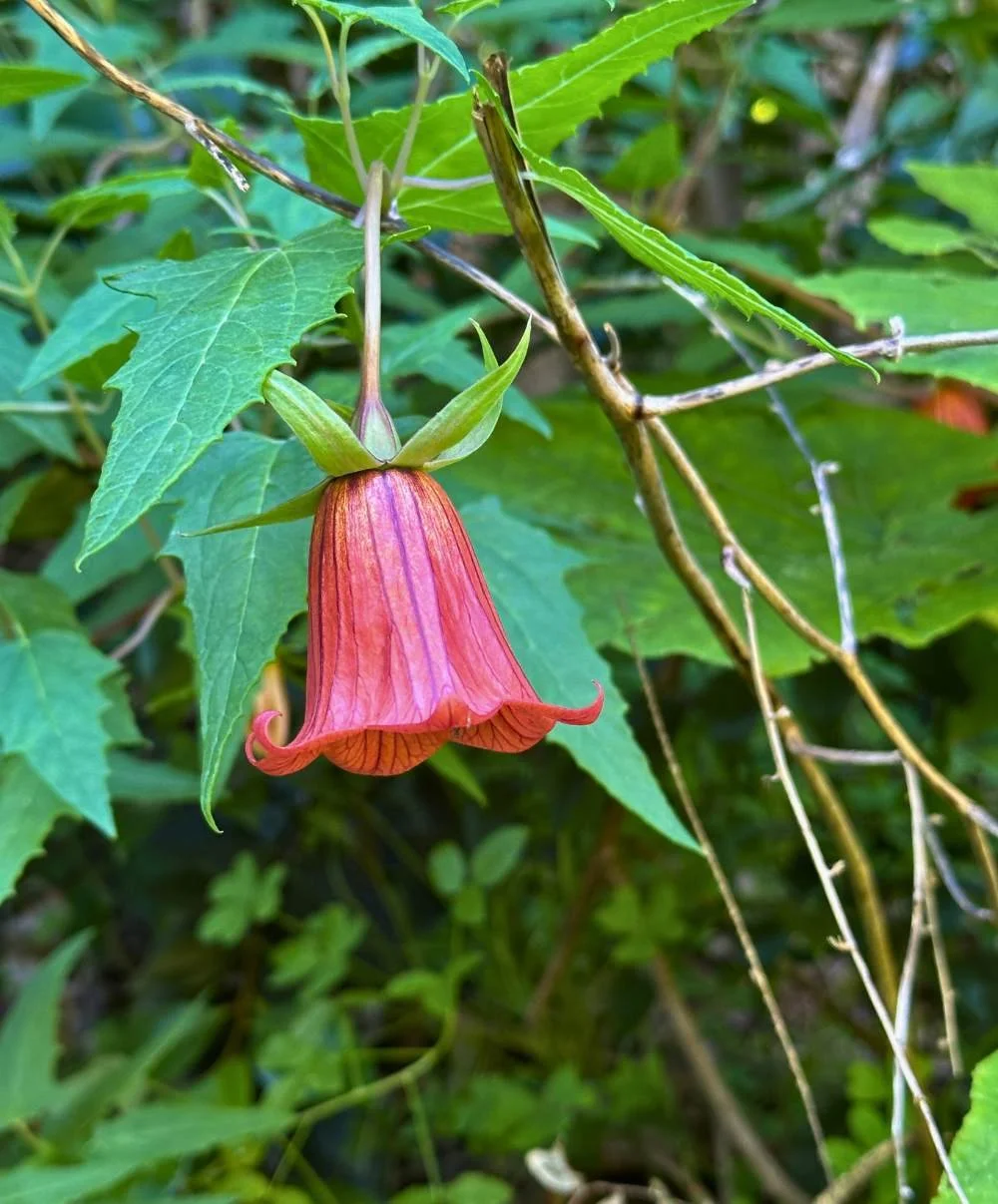
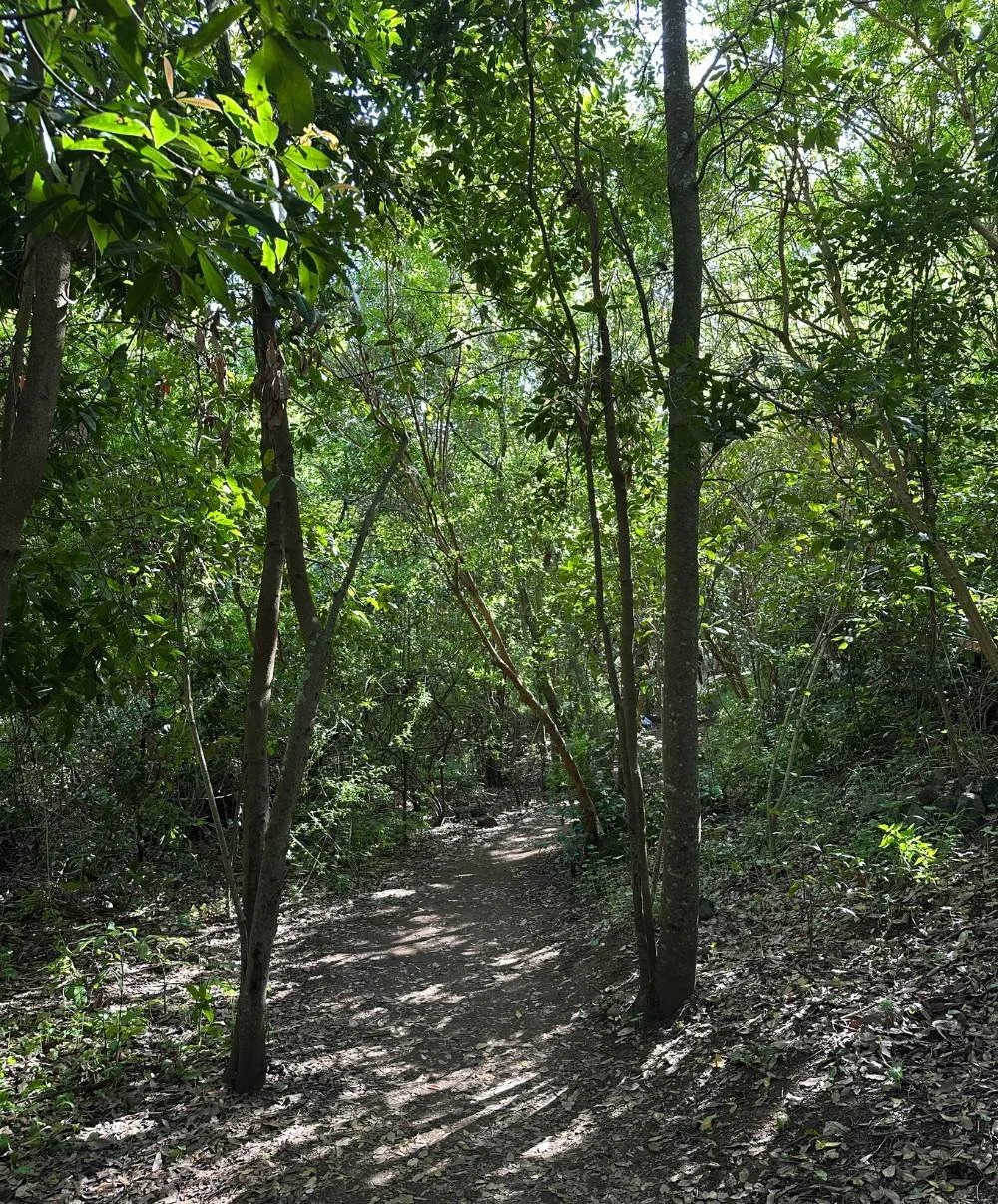
This ancient laurel forest has a 2km circular walking route, starting and ending at the visitor centre La Casa de los Tilos. There are marked paths and the difficulty level is low, making it suitable for families. Look out for endemic plants like the Canary Island bellflower, pictured above.
Drive the GC200 ocean road
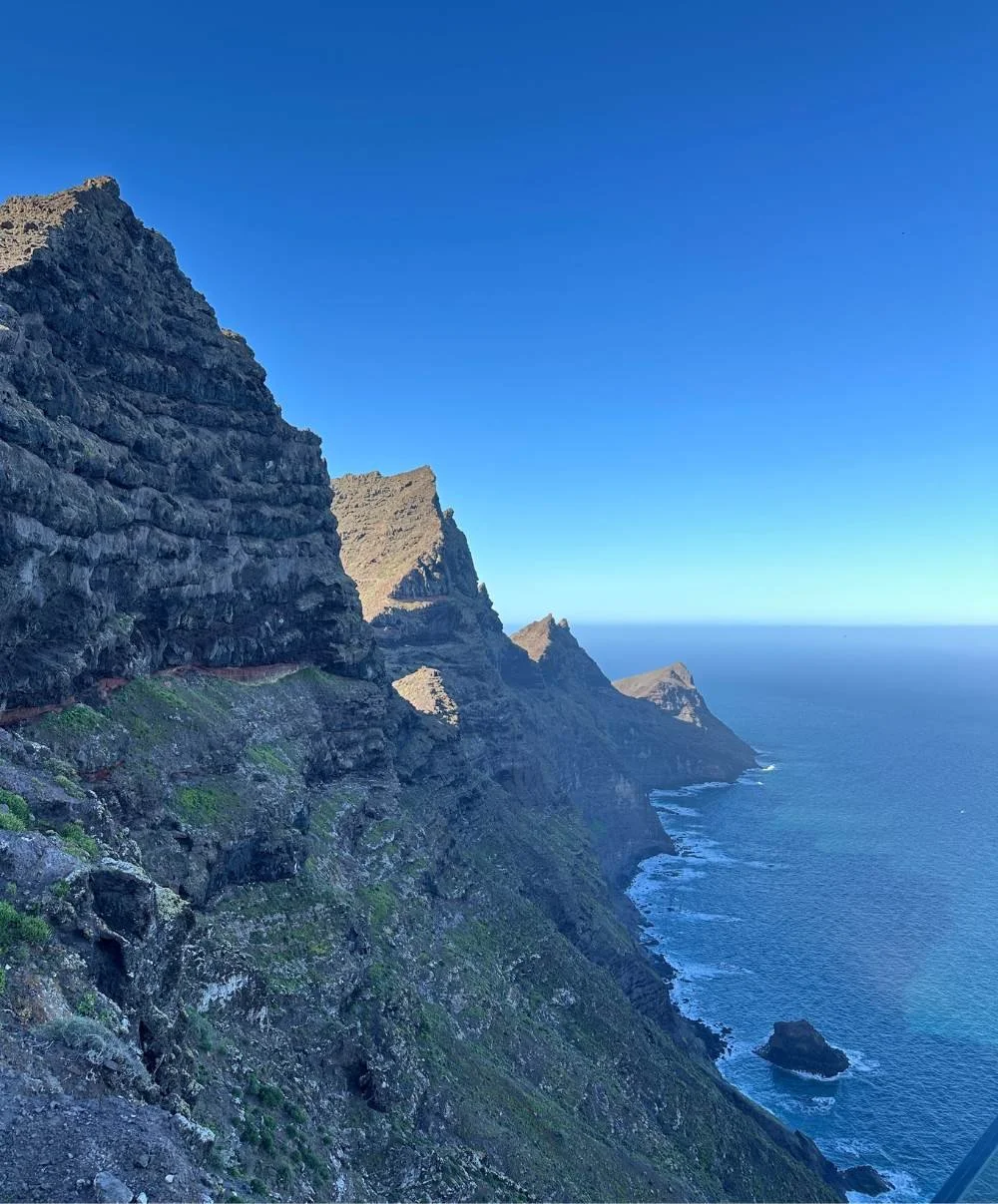
Taking the mighty GC-200 “ocean road” has to be one of Spain’s most spectacular road trips. It begins in the northwest of Gran Canaria and hugs the island’s rugged west coast before turning inland and ending at the pretty port of Puerto de Mogán in the south. Along the way, expect impressive views over the Atlantic and some stomach-lurching twists and hairpin bends through the mountains.
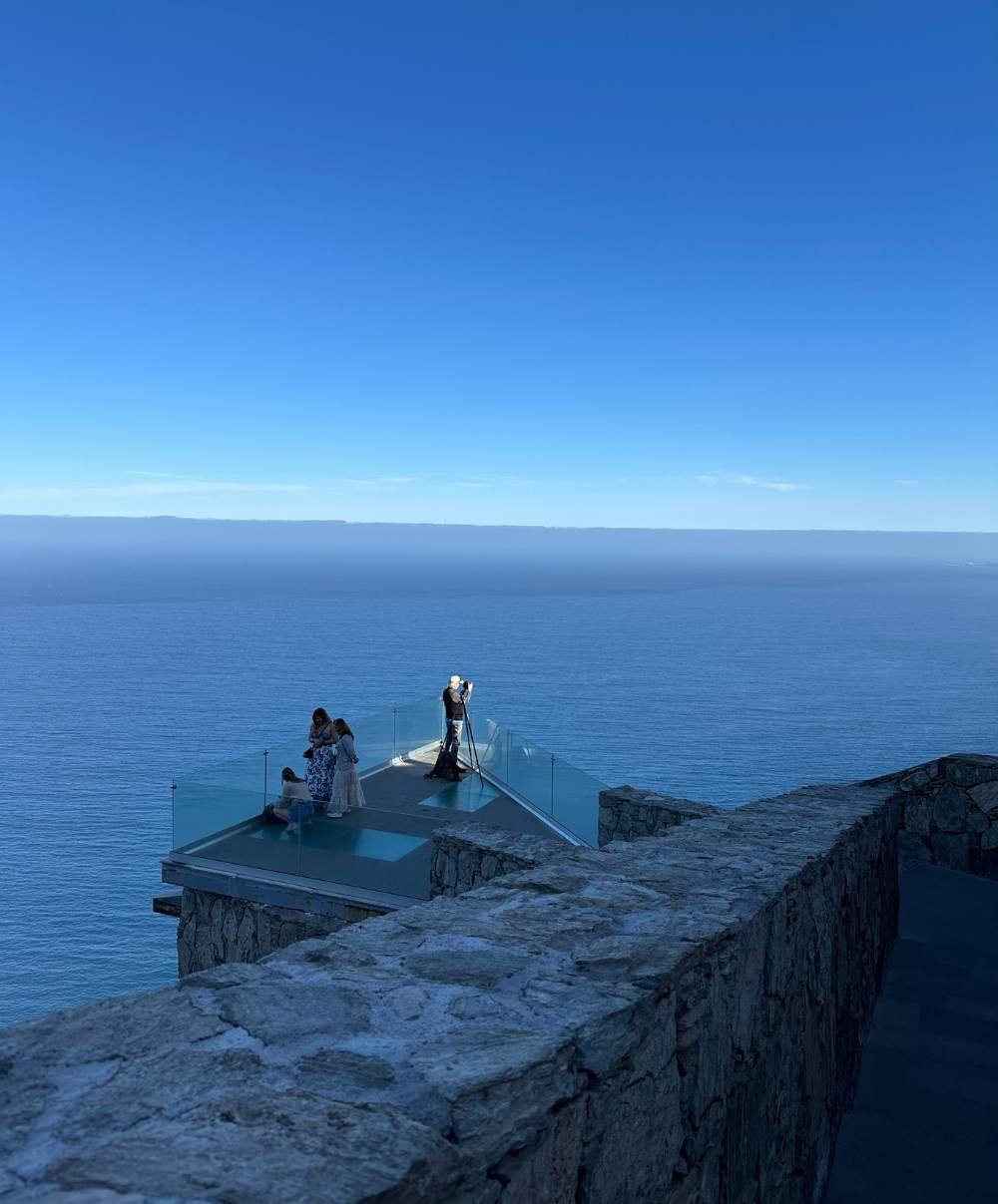
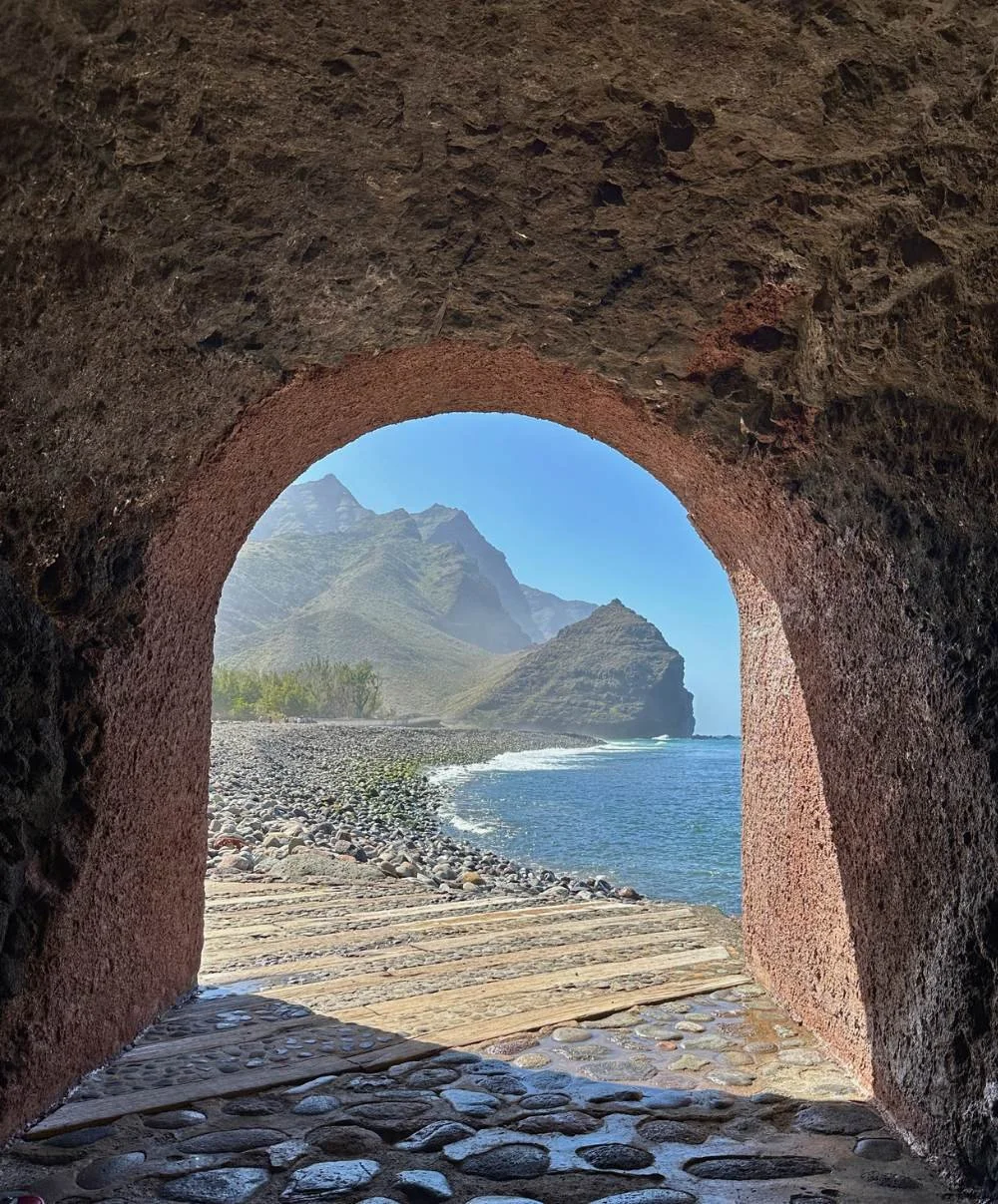
One of the most striking stops just off the GC-200 is the Mirador del Balcón, a glass-fronted viewpoint high above the ocean. Just south of here is La Playa de la Aldea, a coastal town with a raucous annual fiesta that sees thousands of people plunge into a coastal lagoon. There’s a tunnel joining two beaches here that makes a perfect photo stop (shown below).
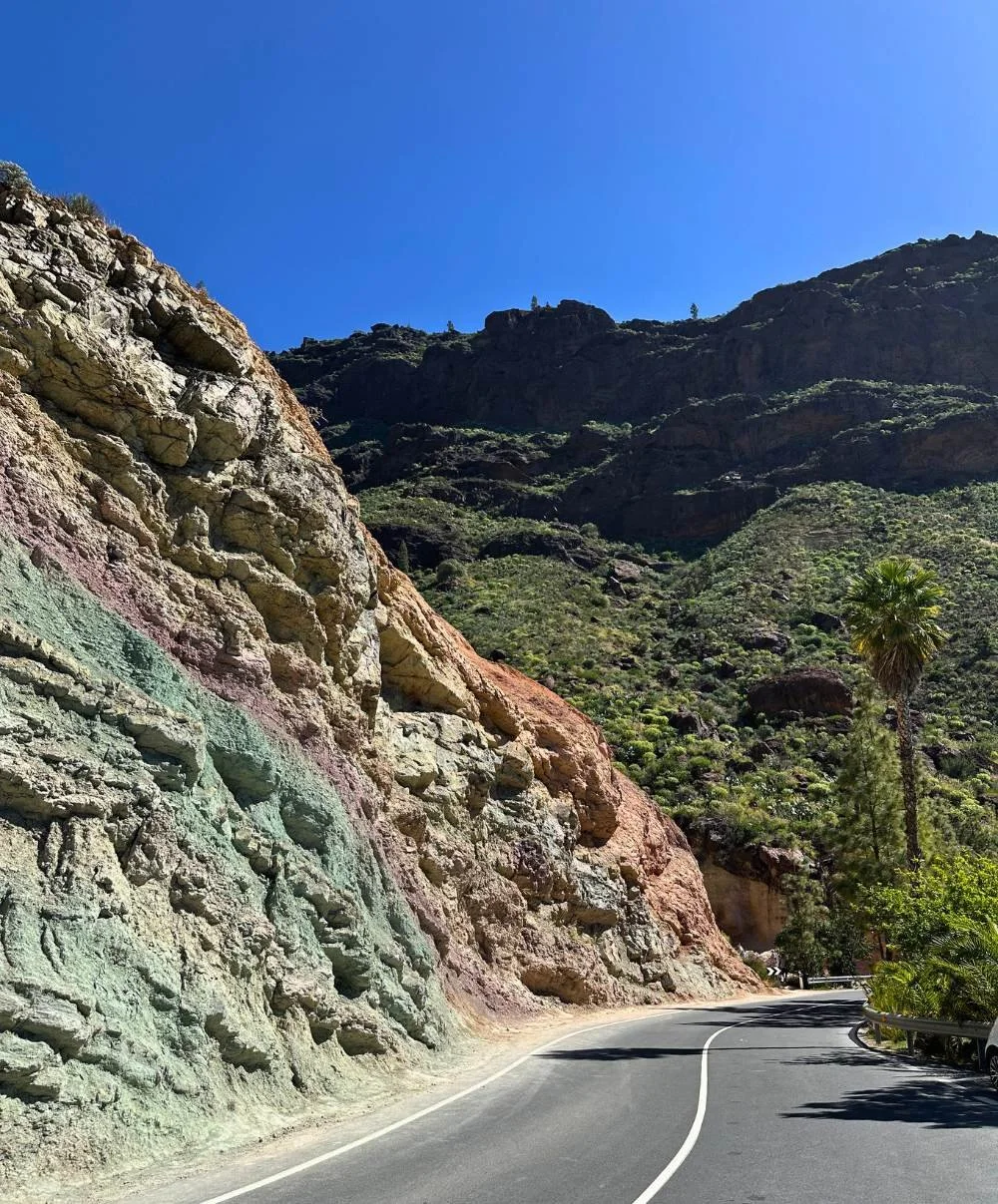
As you head inland, keep an eye out for the multicoloured landscape of Los Azulejos. Here, the rock faces are tinted in bands of jade green, ochre, purple, and red – colours created by volcanic processes and slowly revealed over time through rainwater erosion. It’s a safe and popular place to pull over (taking care when crossing the road), and there’s even a small kiosk selling fresh tropical juices.
Stroll through Puerto de Mogán
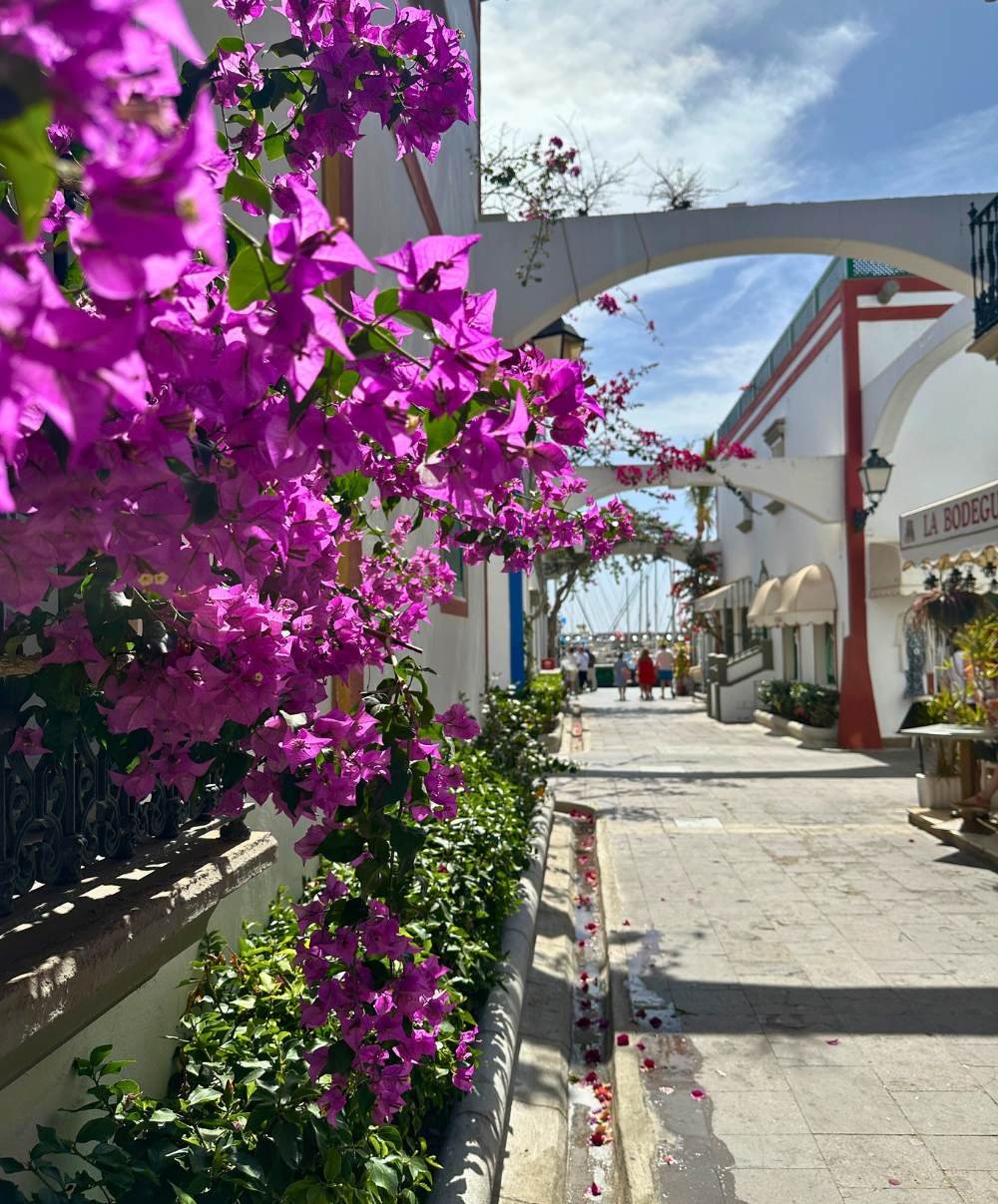
Formerly a quiet fishing village with a rocky shoreline, Puerto de Mogán is now one of the island’s most popular tourist hubs. Its transformation started in the 1980s with the addition of a marina and a man-made beach created with sand imported from the Sahara. The town’s pretty whitewashed houses and bougainvillea-draped archways also date from this period.
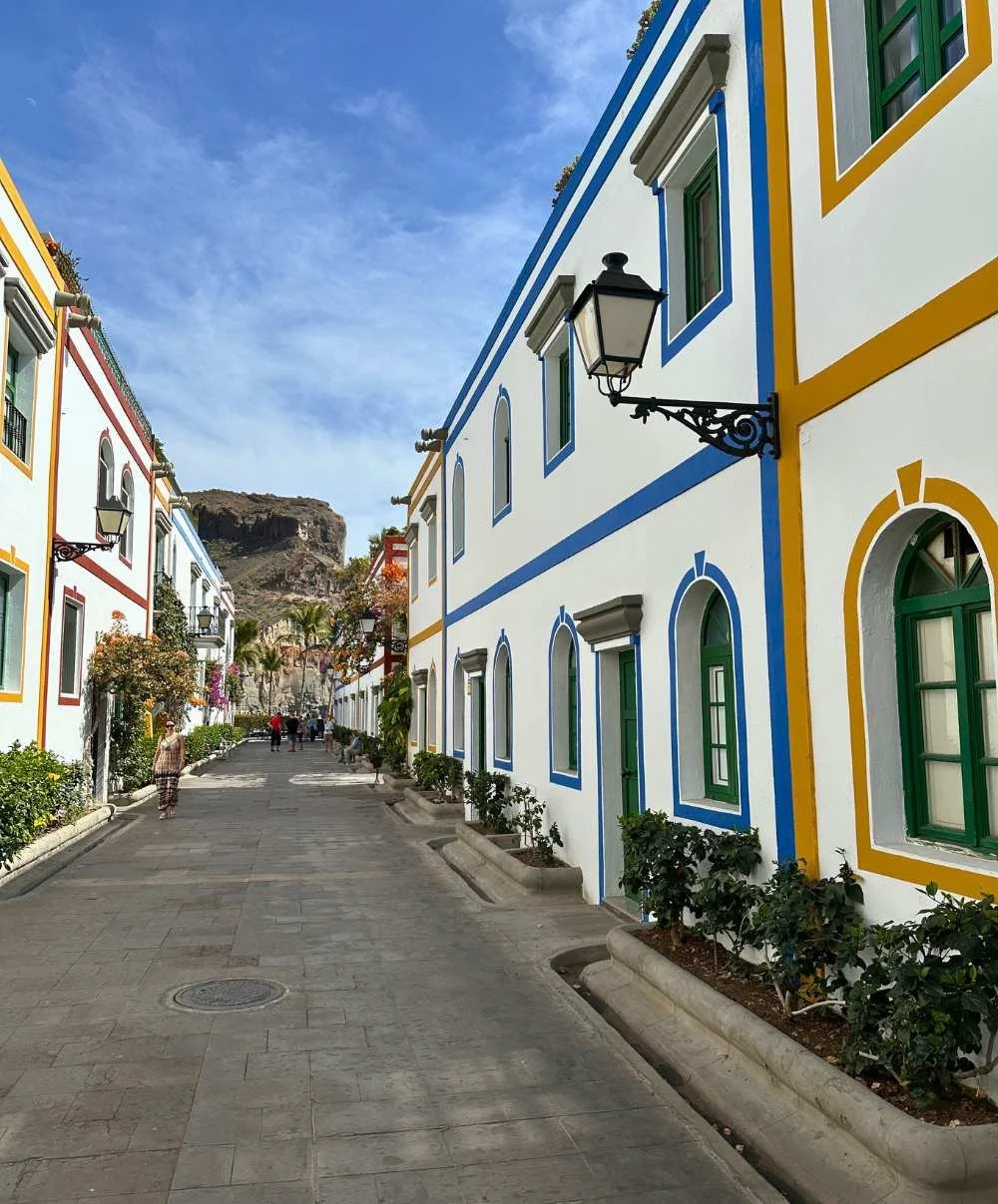
The classic things to do in Puerto de Mogán (other than wandering starry-eyed through its colourful alleys) are enjoying a seafood lunch in one of the many restaurants lining the marina and visiting the popular Friday street market, one of the largest on the island.
Visit an aloe vera plantation
Another spectacular drive, the GC-60 road connects the southern resort of Maspalomas with the mountainous heart of the island, winding through the valley of Fataga before climbing towards Tejeda, high in the interior.
Fataga is known for its palm groves, vast volcanic canyons and serrated ridges – and it’s in this dramatic setting that you’ll find the aloe vera plantation Finca Canarias. It was here that I discovered freshly cut aloe vera smells curiously like meat stew (I’ve also heard it compared to dog food). The plant’s clear sap is thankfully odourless and used in cosmetics and health products which you can buy in their on-site shop.
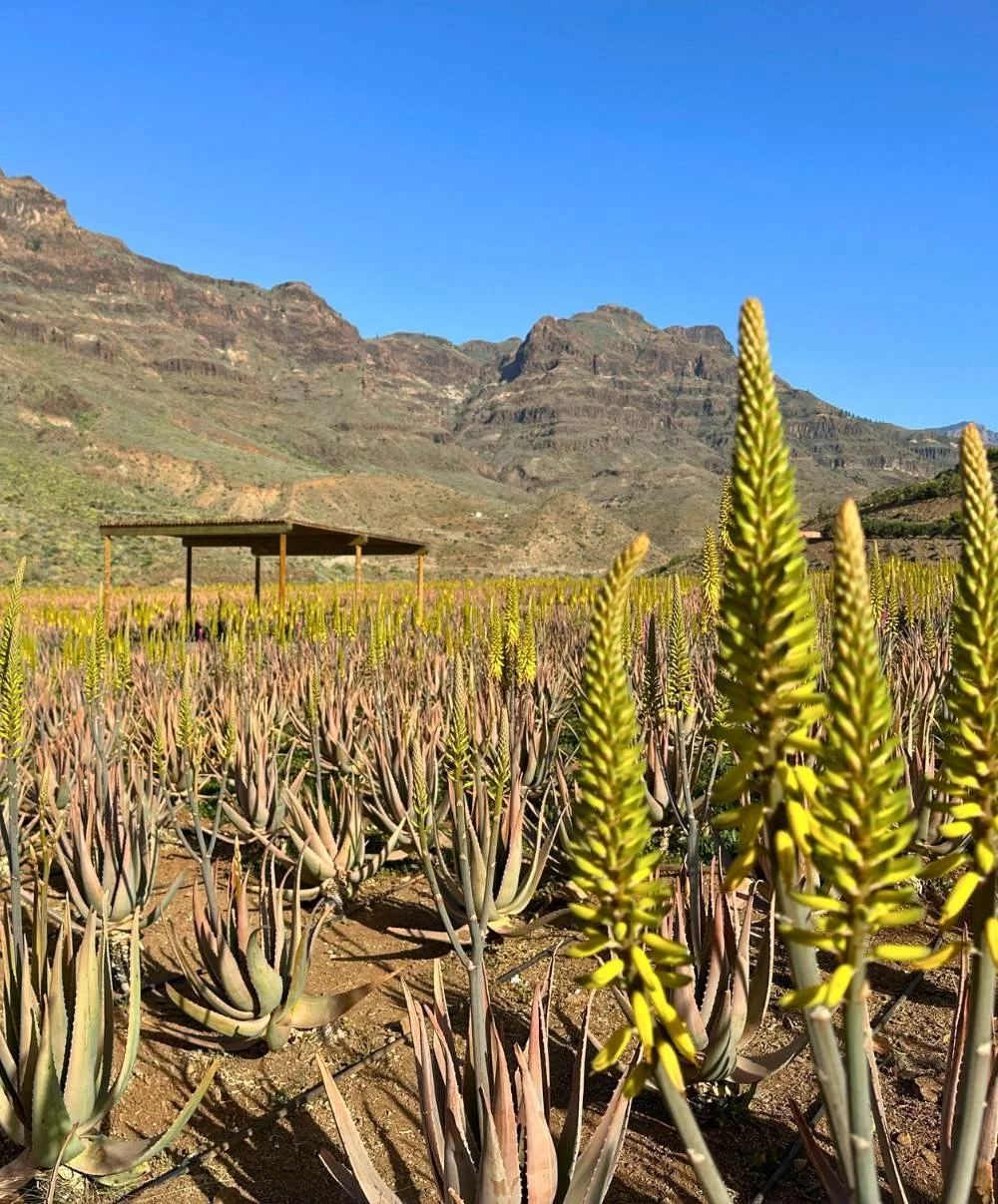
Flowering aloe vera plants in the valley of Fataga
Explore a pre-Hispanic fortress
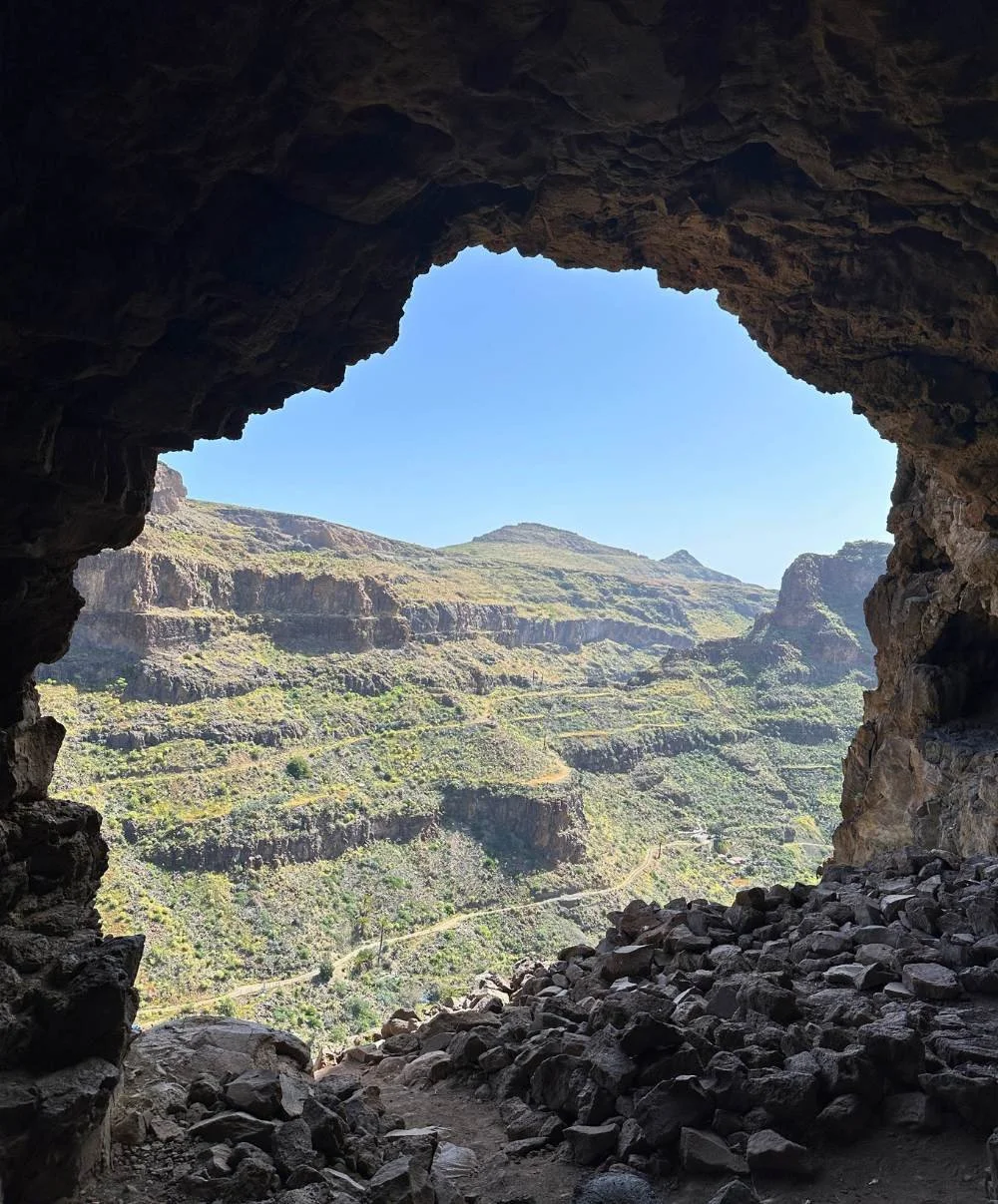
La Fortaleza (the fortress) is a hilltop archaeological site that was a defensive stronghold and sacred place for the island’s original inhabitants. It’s made up of a series of caves, some natural and some man-made, across three small peaks in the heart of the Tirajana Caldera.
We climbed up to one of the largest caves, a tunnel-like enclosure that cuts through the hillside and perfectly frames the landscape beyond. Climbing down the other side after admiring the view, we could see more caves in the distance that our guide told us were used as burial sites.
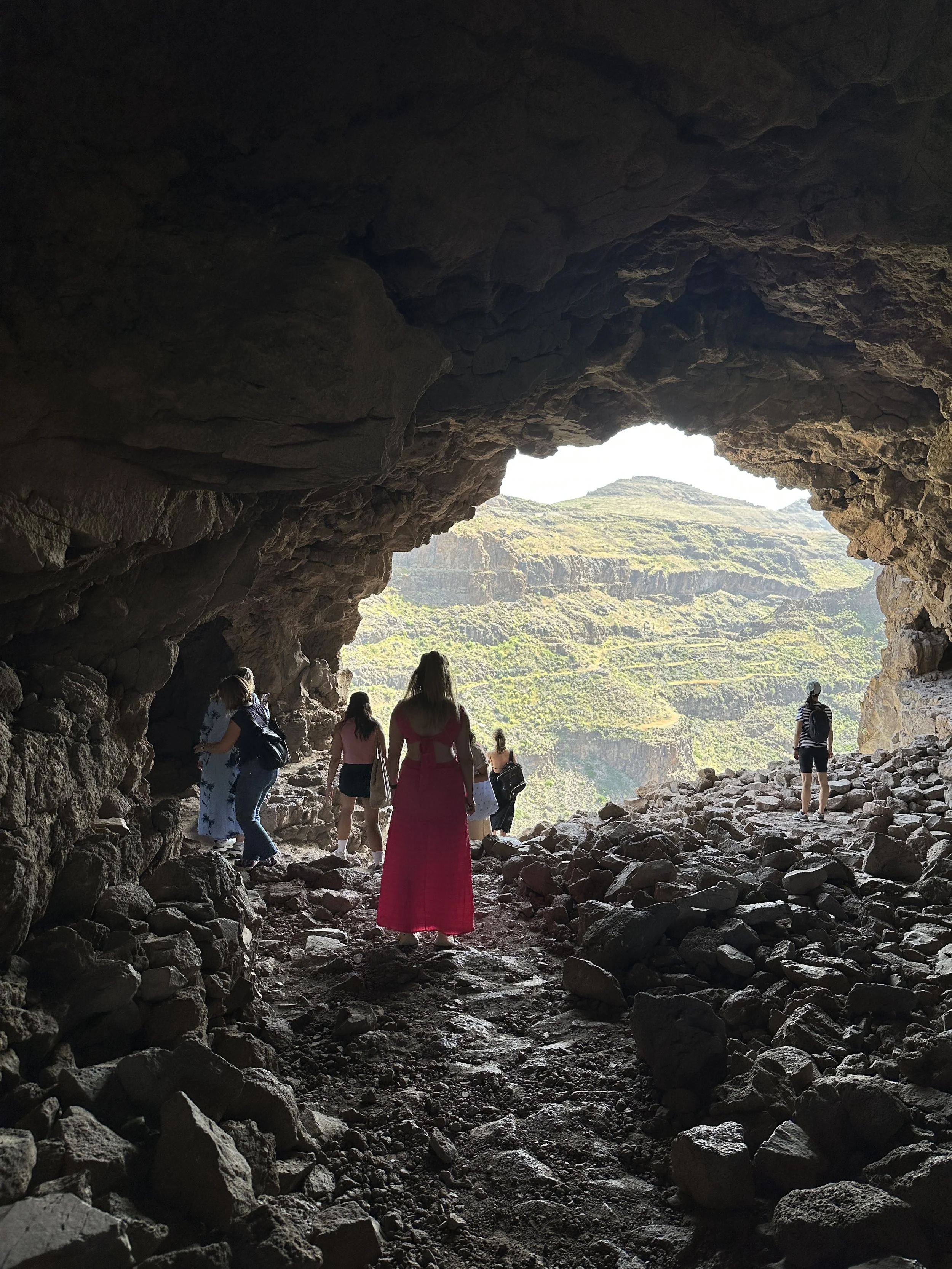
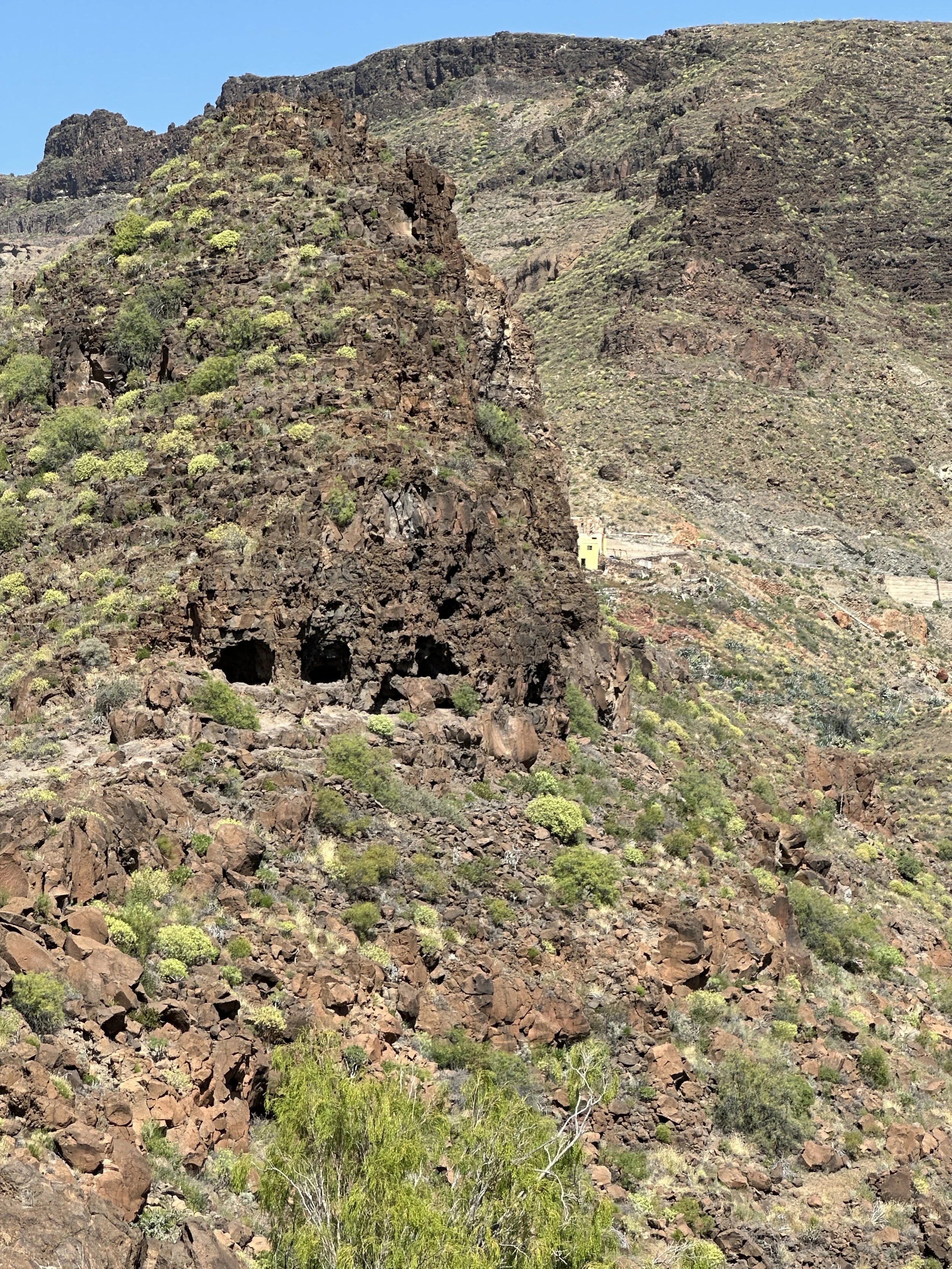
This is a quiet and reflective place where the only sounds are the wind and birdsong. I was struck by how few buildings or other signs of human habitation there were in this area - it really does feel like a portal to the past.
Tips for visiting: Entry to the archaeological site is free. Head for this parking area then follow the dirt path uphill on foot to get to the cave mentioned above. This valley gets extremely hot in the summer (it was pretty hot even in February), so be sure to bring drinking water. To get the most out of your visit, I recommend booking a guided tour or combining it with a visit to the nearby interpretation centre.
Watch sunrise over the Maspalomas dunes
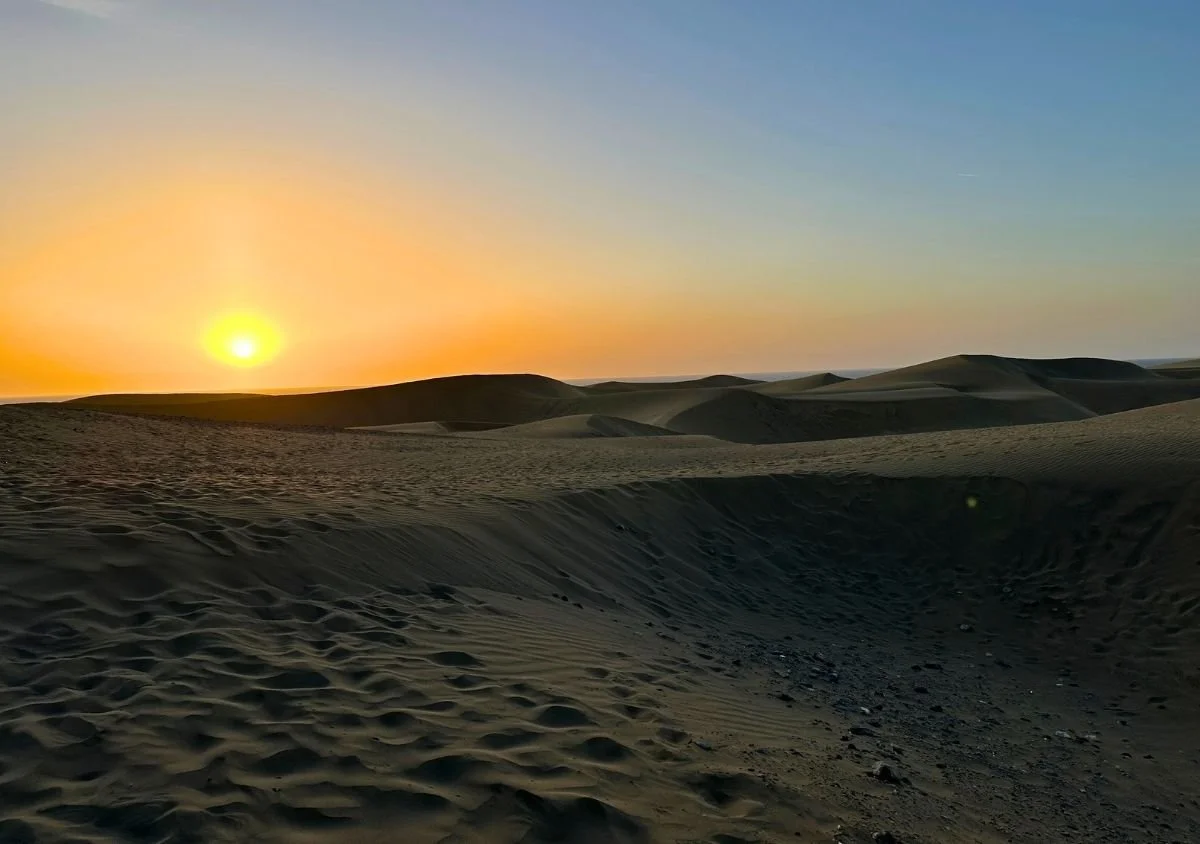
The Dunes of Maspalomas are one of the most emblematic sights of Gran Canaria - vast waves of sand that stretch as far as the eye can see. Experts believe they may have been formed by tidal waves after the devastating Lisbon earthquake of 1755.
The best viewpoint over the dunes is located just behind the Hotel Riu Palace Maspalomas (don’t get it mixed up with the other Hotel Riu near Meloneras beach). I recommend coming here at dawn to watch the spectacular sight of the sun rising over the sea and gradually flooding the dunes with golden light.
There’s a covered walkway that leads directly from the front of the hotel to the mirador (viewpoint). The whole area is a nature reserve, and it’s not permitted to walk on the dunes themselves, but fear not - there are marked paths between the dunes that you can follow to immerse yourself in this otherworldly landscape.
Itinerary tips and where to stay
To see the full range of what Gran Canaria has to offer, I recommend starting with at least two to three days in the north. We stayed in Hotel Emblemático Ágaldar in Gáldar, a stylish boutique hotel with a rooftop terrace and plunge pool.
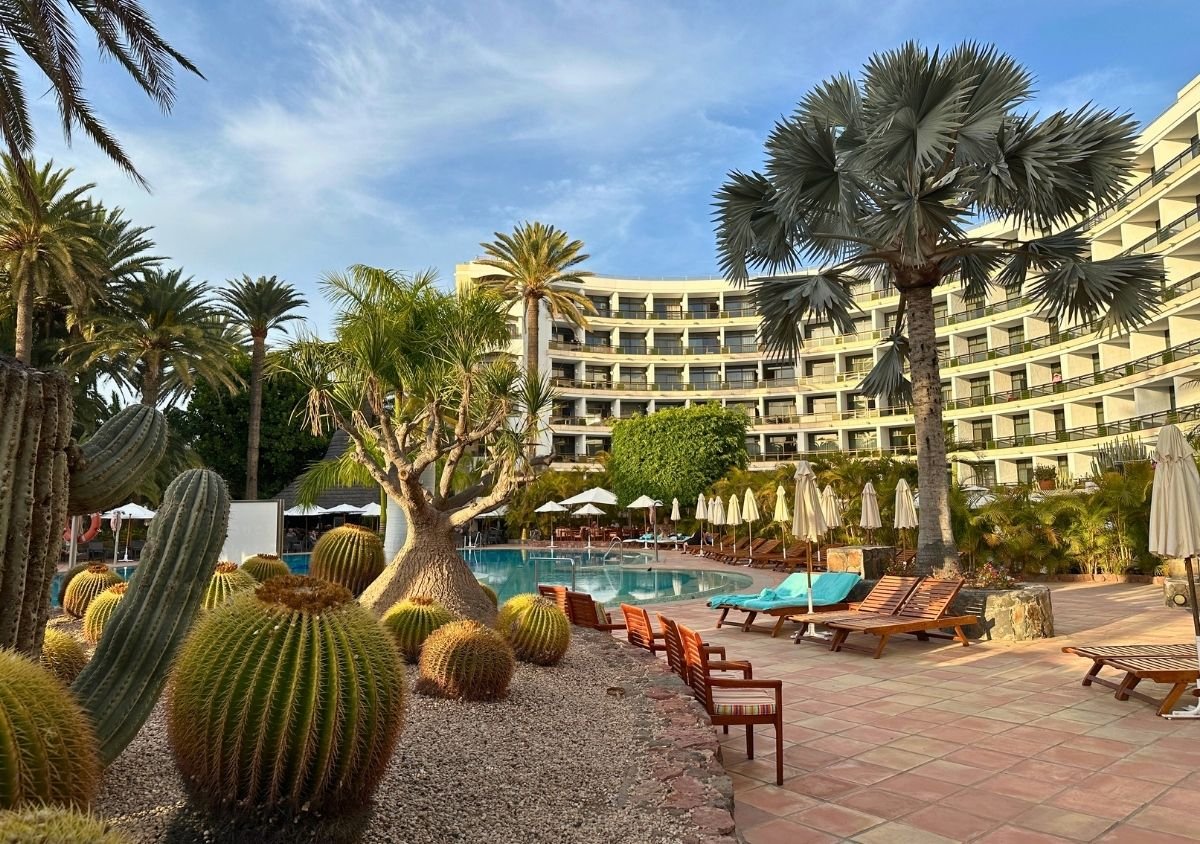
The Seaside Palm Beach, Maspalomas, Gran Canaria
Beach lovers can then add on as many days as they’d like in the sunny south. We stayed in the five-star Seaside Palm Beach, a member of Design Hotels. Vintage fans will love its decor, which is inspired by Miami art deco. The hotel is surrounded by a historic palm grove and is a short walk from Maspalomas beach and the famous dunes.
I travelled to Gran Canaria on a press trip hosted by Turismo de Gran Canaria. There was no obligation to post, and all opinions are my own.